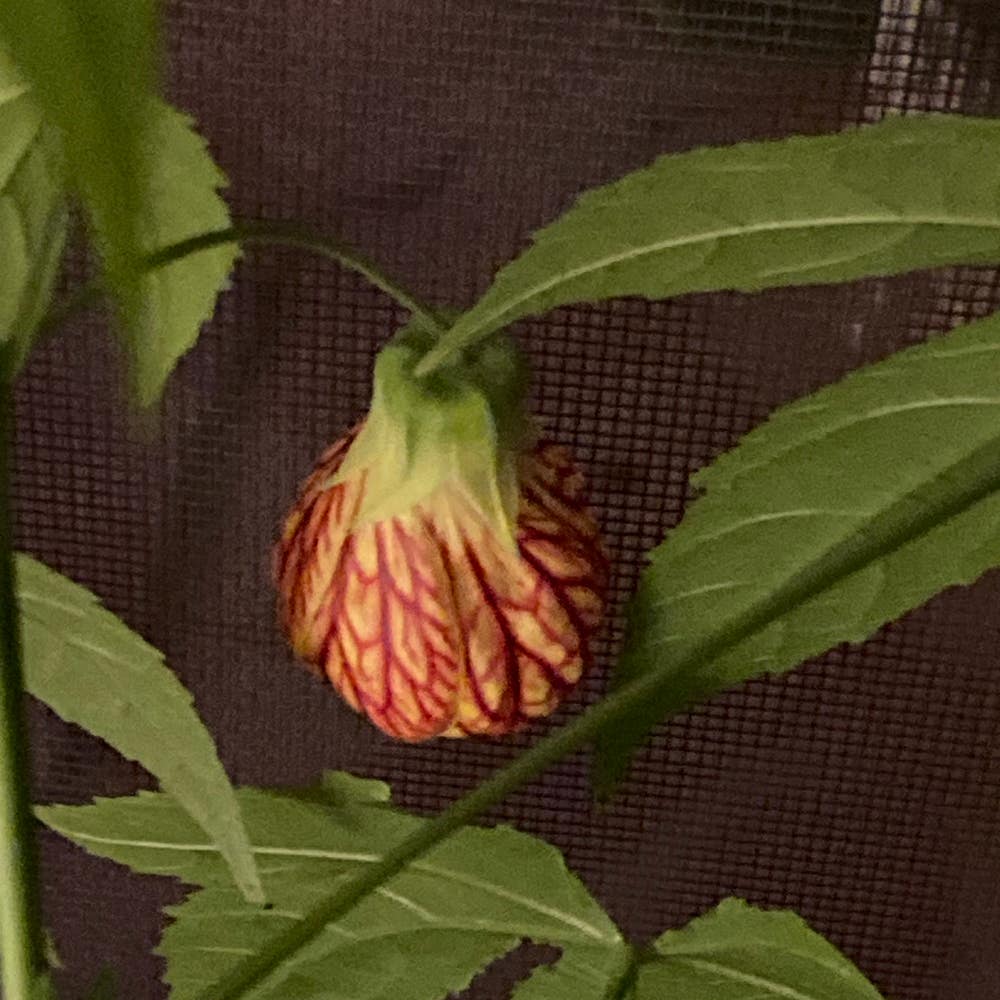
Why Does My Velvetleaf Have Yellow Leaves? 🍂
Abutilon theophrasti
By the Greg Editorial Team
Jun 18, 2024•3 min read
This article was created with the help of AI so we can cover more plants for you. May contain errors. See one? Report it here.
Banish yellow leaves and restore your Velvetleaf's health with these proven troubleshooting tips! 🌿🔍
- 🍂 Nutrient deficiencies and watering issues often cause yellow leaves.
- 🌡️ Environmental stress like improper light and temperature affects leaf color.
- 🕵️♂️ Visual clues and soil tests help diagnose and fix yellowing.
Pinpointing the Culprits Behind Yellow Leaves
💡 Nutrient Deficiencies
Yellowing leaves on your Velvetleaf could be shouting for nitrogen. If the leaves look like they've been on a diet, lacking that lush green, they might be craving iron or magnesium. Magnesium is crucial for that chlorophyll that keeps leaves green, and without iron, your plant might as well be holding up a white flag.
🚰 Watering Woes
Overwatering turns leaves yellow and transforms soil into a soggy mess. Underwatering, on the other hand, leaves the soil bone-dry and the leaves crispy. The watering sweet spot? When the top inch of soil feels like a day-old sponge – not too wet, not too dry.
🌞 Environmental Stress Factors
Your Velvetleaf is no sunbather; too much light can lead to a yellow leaf tan. Conversely, a lack of light leaves it groping in the dark, yellowing in despair. And if your plant's leaves drop like they're too cool for the stem, check for drafts. Temperature consistency is key – think of it like your plant's preferred climate zone.

The Detective Work: Diagnosing Yellow Leaves
🕵️♂️ Visual Clues and What They Tell You
Yellow leaves on your Velvetleaf can be as cryptic as a silent movie, but they're telling a story. Uniform yellowing might scream 'I'm drowning!'—a classic case of overwatering. If the yellowing has a pattern, like a striped or edged look, your plant could be shouting for nutrients. Don't ignore the browning tips or leaves with the texture of a potato chip; these are the side plots in this leafy mystery.
🧪 Testing the Groundwork
To get to the root of the problem, sometimes you need to play in the dirt. A soil test kit is like a detective's magnifying glass, revealing pH levels and nutrient content. If the soil feels like a swamp, it's time to improve drainage. Remember, the ideal soil should feel like a moist, crumbly cake, not a wet sponge. And for a quick hydration check, the finger test never lies—dip an inch deep; if it's dry, water, if it's wet, wait.

The Green Thumb Treatment
💡 Nutrient Know-How
Balanced fertilization is non-negotiable for a thriving Velvetleaf. Like a multivitamin, a 10-10-10 mix of nitrogen, phosphorus, and potassium during growth season keeps yellow at bay. Seasonal adjustment is key; scale back in winter to avoid nutrient overload.
🚰 Watering Wisdom
Velvetleaf's hydration mantra: consistency over frequency. Water when the top inch of soil is dry, but don't drown it in enthusiasm. A wicking system can be a lifesaver for the forgetful gardener, ensuring just the right amount of water without the risk of overdoing it.
🌞 Creating a Velvetleaf Haven
Your Velvetleaf craves a stable environment. Protect it from harsh elements by finding a sweet spot with indirect light and mild temperatures. Regularly clean the leaves to promote photosynthesis and keep pests at bay with organic remedies like neem oil or insecticidal soap. Remember, it's about creating a sanctuary, not just a space.

Keeping the Yellow at Bay
🥦 A Balanced Diet for Your Velvetleaf
Regular feeding is the cornerstone of a healthy Velvetleaf. Establish a fertilization schedule that's more like a plant's meal plan than a feast-or-famine scenario. Opt for a balanced fertilizer; your Velvetleaf doesn't need a buffet, just the right nutrients at the right time.
🔄 Consistent Care Routines
Watering should be as routine as your morning coffee—predictable and satisfying. Keep the soil moist but not soggy, and remember, your Velvetleaf's thirst varies with the seasons. Environmental monitoring is not just about playing weatherman; it's about creating a microclimate that keeps those leaves green and vibrant.
⚠️ Safety First
This content is for general information and may contain errors, omissions, or outdated details. It is not medical, veterinary advice, or an endorsement of therapeutic claims.
Always consult a qualified healthcare professional before using any plant as food, medicine, or supplement.
Never eat any plant (or feed one to pets) without confirming its identity with at least two trusted sources.
If you suspect poisoning, call Poison Control (800) 222-1222, the Pet Poison Helpline (800) 213-6680, or your local emergency service immediately.
Spotted an error? Please report it here.
Combat yellow leaves on your Velvetleaf by unlocking 🔍 Greg's custom watering plans and nutrient tracking for vibrant, healthy growth.