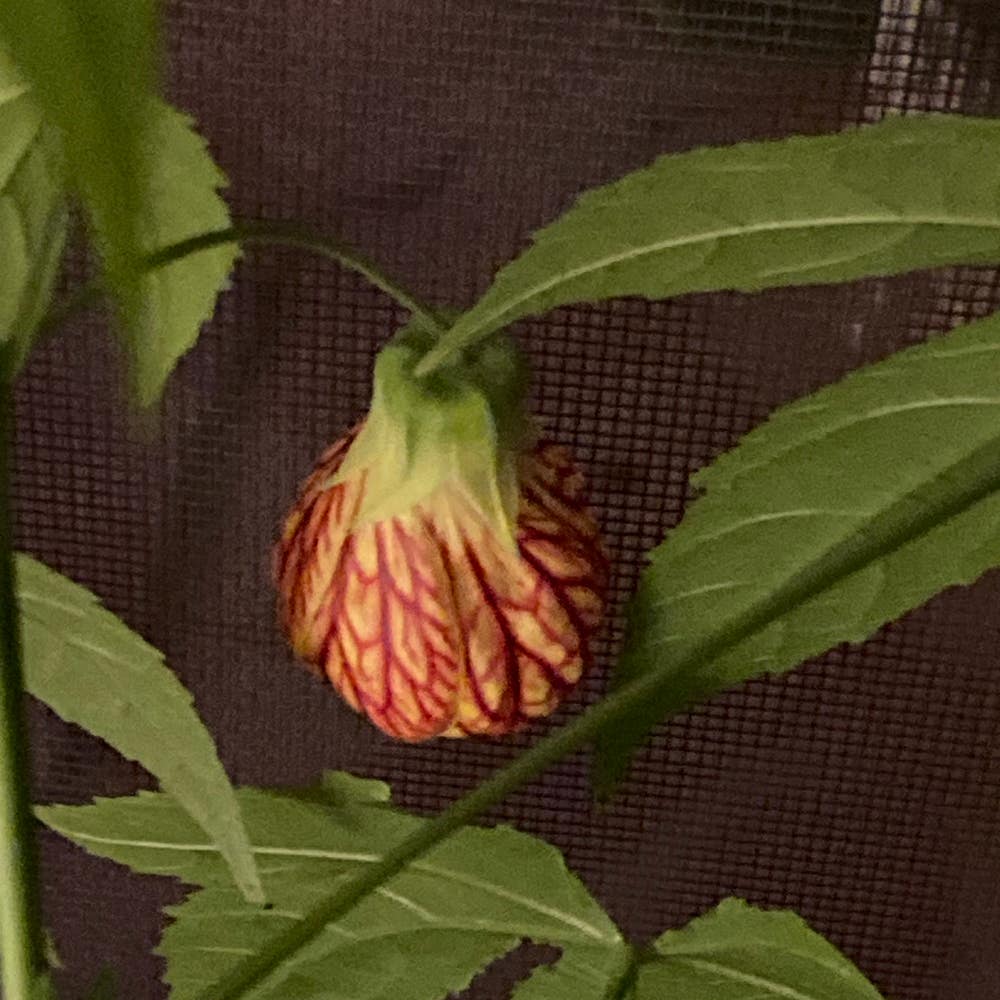
Propagating Velvetleaf: Step-by-Step Guide
Abutilon theophrasti
By the Greg Editorial Team
Jun 18, 2024•6 min read
This article was created with the help of AI so we can cover more plants for you. May contain errors. See one? Report it here.
Multiply your Velvetleaf 🌿 with ease using this fail-proof propagation guide!
- Choose healthy stems or leaves: Look for semi-hardwood, 4-6 inches long.
- Create a mini greenhouse: Use plastic bags for humidity with soil cuttings.
- Patience is key: Monitor light and moisture, and wait for roots and shoots.
Snip & Plant: Stem Cuttings Technique
🌱 Choosing Your Champions: Selecting the Best Stems for Propagation
To kick off your stem cutting escapade, scout for the healthiest stems—those free from pests, diseases, and with a vibrant, can-do attitude. Look for stems that are semi-hardwood, not too soft or too woody, and about 4-6 inches long. Aerial roots? They're like bonus points, indicating your stem is ready to root like a champ.
✂️ Making the Cut: How to Properly Prepare Stem Cuttings
Sharpen your shears—dull tools are a no-go. Make a clean, angled cut just below a leaf node to maximize the area from which roots can emerge. Strip off the lower leaves to avoid rot and leave a couple at the top for photosynthesis to keep the cutting's spirits up. If you're feeling extra, a dip in rooting hormone can give your cuttings a head start.
🌱 Rooting for Success: Planting Stems and Creating the Perfect Environment
Now, plant your prepped warriors in well-draining soil or let them hang out in water. If you're team soil, make sure it's light and airy. Water fans, remember to switch out the H2O weekly to keep things fresh. Cover your soil-planted cuttings with a plastic bag to create a mini greenhouse effect, and place them somewhere with indirect sunlight. Patience is key—tug gently after a few weeks to test for root resistance, and celebrate the little victories as your Velvetleaf army begins to grow.
Leaf it to Grow: Leaf Cuttings Method
🌱 Picking Potential: Finding Leaves Ready to Root
Selecting the right leaf is crucial for successful propagation. Look for healthy, mature leaves free from damage or disease. Leaves should be plump, indicating they have enough resources to support new growth. Avoid any that are discolored or have spots, as these could be signs of distress.
🌿 Leaf-to-Root Magic: Steps to Plant and Nurture Leaf Cuttings
- Twist or snip the chosen leaf from the plant, ensuring a clean cut to prevent damage.
- Let the cut end callous over for a day or two to prevent rot—this step is non-negotiable.
- Place the leaf on top of a well-draining soil mix, pressing it lightly to make contact but not burying it.
- Enclose the pot in a plastic bag to create a humid environment, mimicking a mini greenhouse.
- Monitor the soil moisture; it should be damp but not waterlogged to encourage root growth without causing rot.
- Once roots appear, transplant the new plantlet into its own pot, continuing with gentle care as it establishes.
Double the Fun: Propagating by Division
🌱 When to Divide
Spring is your cue. Velvetleaf, like many plants, prefers the energy of the growing season for division. Look for crowded pots or offsets that scream for independence. If you're feeling rebellious, you can divide at other times, but brace yourself for extra TLC.
🛠️ Divide and Conquer
🏥 Preparing for Surgery
Gently coax your Velvetleaf out of its pot, mindful of the root ball's dignity. It's like defusing a bomb, but with roots. Each division should have a fair share of leaves and roots. Bigger chunks recover with more gusto.
🌱 Transplanting
Nestle each new plant into its own pot, snug as a bug. Water to settle the soil, then place them in a spot that's bright but not sunburn central. Hold off on fertilizing—let the roots find their groove first.
Remember, propagation is not a sprint; it's a journey of nurturing and patience. Keep an eye out for fresh growth—it's your victory flag.
Overcoming Propagation Pitfalls
🚨 Spotting Trouble: Recognizing Signs of Propagation Woes
Propagation is a test of patience and skill, and Velvetleaf is no exception. Yellowing leaves or stunted growth can signal distress. If your plant's roots resemble soggy noodles, you're likely dealing with root rot. This is a common issue, often stemming from overwatering.
🛠 Quick Fixes: Solutions to Common Velvetleaf Propagation Problems
Act fast when you spot trouble. For root rot, remove the affected parts and let the healthy roots dry before replanting in fresh soil. Keep your tools clean to avoid passing diseases, and inspect regularly for pests like aphids or mites. If you find any, isolate the plant and treat it with an appropriate pesticide.
🐜 Pest Management
Insects can wreak havoc on vulnerable cuttings. Aphids and mites can be managed with insecticidal soap or neem oil. Be vigilant and check your plants often to catch these critters early.
🍄 Fungal Foes
Fungal infections thrive in damp conditions. If you spot powdery mildew or leaf spot, reduce humidity and improve air circulation. Fungicides can be used, but prevention is key—ensure your Velvetleaf isn't sitting in soggy soil.
🌿 Environmental Stress
Velvetleaf cuttings are sensitive to their environment. Too much direct sunlight can scorch them, while too little can weaken them. Find that sweet spot where your plant gets plenty of indirect light.
💧 Watering Woes
Overwatering is a common misstep. Let the soil dry out between waterings, and always use pots with drainage holes. On the flip side, under-watering can also be detrimental. The soil should be moist, not waterlogged or bone dry.
🌱 Nutrient Know-How
Hold off on fertilizer until your Velvetleaf is established. Over-fertilizing can burn the delicate roots of new cuttings. When it's time, opt for a balanced, diluted solution.
Remember, each problem is a learning opportunity. With a bit of grit and determination, you'll become a Velvetleaf propagating pro.
After the Cut: Post-Propagation Care
🌿 The First Few Weeks
In the initial days following propagation, your Velvetleaf cuttings are like new hires in the office—they need some time to adjust. Indirect light is their best ally, as direct sunlight can be as harsh as a midday desert. Hold off on the fertilizer; think of it as a detox period for your plants.
🤝 Helping Hands: Tips to Support Your New Velvetleaf Offshoots
Monitor moisture levels—the soil should feel like a wrung-out sponge, moist but not waterlogged. A gentle tug on the stem after a few weeks can hint at root development, but don't get too handsy; roots need their personal space to grow.
✂️ Pruning and Environment
Keep your scissors handy for a light pruning to encourage bushier growth and remove any sad, yellow leaves that scream for attention. Maintain a stable environment; consistent humidity is the comfort food for your Velvetleaf's soul.
⏳ Patience and Observation
Patience isn't just a virtue; it's a necessity. Roots may take their sweet time, showing up fashionably late from a few weeks to a couple of months. Keep an eye out for new shoots; they're the first hello from your successful propagation efforts. Remember, the watchword is consistency—from watering to checking in on your plant's progress.
🌱 Aftercare for the Parent Plant
Don't forget the plant that started it all. Post-propagation, the parent Velvetleaf might look as if it's been through a workout session. Give it some TLC with a trim here and there to help it refocus its energy on bouncing back to its former glory.
⚠️ Safety First
This content is for general information and may contain errors, omissions, or outdated details. It is not medical, veterinary advice, or an endorsement of therapeutic claims.
Always consult a qualified healthcare professional before using any plant as food, medicine, or supplement.
Never eat any plant (or feed one to pets) without confirming its identity with at least two trusted sources.
If you suspect poisoning, call Poison Control (800) 222-1222, the Pet Poison Helpline (800) 213-6680, or your local emergency service immediately.
Spotted an error? Please report it here.
Propagate Velvetleaf successfully 🌱 by letting Greg remind you when to water and how much light your cuttings need, turning patience into lush growth.