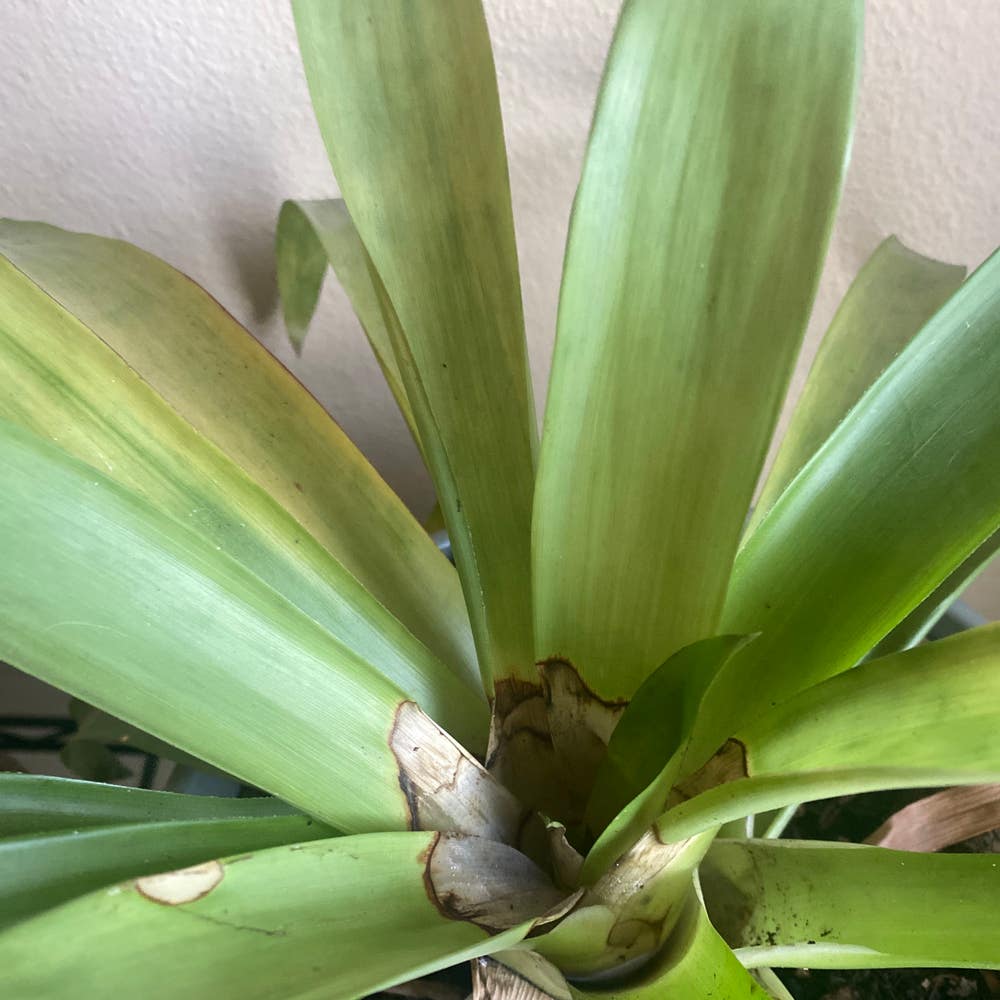
Identifying What is Eating Your Neoregelia 'Fireball' 🐛
Neoregelia 'Fireball'
By the Greg Editorial Team
Sep 29, 2024•5 min read
This article was created with the help of AI so we can cover more plants for you. May contain errors. See one? Report it here.
Safeguard your Neoregelia 'Fireball' from pesky herbivores while boosting your garden's health! 🌱
- 🦌 Deer, rabbits, and squirrels are common herbivores damaging Neoregelia 'Fireball'.
- 🚫 Effective deterrents include repellents, fencing, and motion-activated sprinklers.
- 🌼 Beneficial insects like bees enhance pollination, promoting plant health and productivity.
Common Herbivores Affecting Neoregelia 'Fireball'
🦌 Deer
Signs of presence and damage caused
Look for hoof prints in the soil around your Neoregelia 'Fireball'. You might also notice ragged edges on leaves, indicating that deer have been browsing, which can stunt the plant's growth.
Beneficial vs. harmful interaction
Deer are generally harmful to your plants. If left unmanaged, they can decimate populations, leading to significant losses.
Deterrent methods
To keep deer at bay, consider using commercial deer repellents. Alternatively, planting deer-resistant species nearby or using human hair and soap shavings can serve as effective organic deterrents.
🐇 Rabbits
Signs of presence and damage caused
Rabbits leave small, round droppings near your plants. They often chew on young shoots and leaves, resulting in clean cuts that can hinder growth.
Beneficial vs. harmful interaction
Rabbits are generally harmful as they can significantly reduce the vigor of your Neoregelia 'Fireball'. Their feeding habits can lead to noticeable decline.
Deterrent methods
You can find rabbit repellents at garden centers for a chemical solution. For an organic approach, consider erecting a fence that is 2-3 feet high or planting rabbit-resistant plants nearby.
🐿️ Squirrels
Signs of presence and damage caused
Squirrels leave scratches on the soil and chewed leaves as signs of their presence. Their gnawing on stems and leaves can lead to considerable plant stress.
Beneficial vs. harmful interaction
Squirrels are generally harmful to your plants. Their activities can result in significant damage that may affect overall health.
Deterrent methods
Chemical squirrel repellents are available for purchase. Alternatively, you can use motion-activated sprinklers or noise deterrents to keep them away organically.
🐦 Birds
Signs of presence and damage caused
Look for droppings around your Neoregelia 'Fireball' and peck marks on leaves. Birds may feed on flowers and young shoots, which can reduce flowering.
Beneficial vs. harmful interaction
Birds have a mixed impact. While some help with pollination, others can cause damage to your plants.
Deterrent methods
Bird deterrent sprays can be effective chemically. For an organic solution, consider using netting or reflective tape to scare birds away.
🐭 Rodents (mice, voles, etc.)
Signs of presence and damage caused
Rodents leave small holes in the soil and droppings nearby. Their gnawing on roots and stems can lead to serious plant decline.
Beneficial vs. harmful interaction
Rodents are generally harmful. They can cause severe damage to root systems, jeopardizing the health of your Neoregelia 'Fireball'.
Deterrent methods
For chemical control, rodent bait stations can be effective. Alternatively, traps and planting mint or other deterrent plants nearby can help manage rodent populations organically.
Understanding these common herbivores and their impacts on Neoregelia 'Fireball' is crucial for maintaining a healthy garden. By employing effective deterrent methods, you can protect your plants and ensure they thrive. Next, let’s explore the beneficial animals that can enhance your garden ecosystem.
Beneficial Animals and Ecosystem Roles
🐝 Description of Beneficial Animals Attracted to Neoregelia 'Fireball'
Neoregelia 'Fireball' isn't just a feast for herbivores; it also attracts a host of beneficial animals. Pollinators like bees and butterflies flock to its vibrant flowers, playing a crucial role in the plant's reproductive success.
In addition, predatory insects such as ladybugs and lacewings are drawn to the area. These helpful critters keep pest populations in check, ensuring your garden remains healthy and thriving.
🌿 Positive Impacts on the Garden Ecosystem
The presence of these beneficial animals leads to enhanced pollination. This results in better flowering and fruiting, which can elevate the overall beauty and productivity of your garden.
Moreover, natural pest control from predatory insects reduces the need for chemical interventions. This creates a more balanced ecosystem, allowing your Neoregelia 'Fireball' to flourish alongside its companions.
By fostering a welcoming environment for these beneficial species, you not only protect your plants but also contribute to a vibrant garden ecosystem. This symbiotic relationship highlights the importance of biodiversity in maintaining a healthy garden.
As you cultivate your Neoregelia 'Fireball', consider how these beneficial animals can enhance your gardening experience. Next, let’s explore general strategies for protecting your prized plants from potential threats.
General Strategies for Protection
🛡️ Preventive Measures for Protecting Neoregelia 'Fireball'
To keep your Neoregelia 'Fireball' safe, consider planting companion plants that naturally deter herbivores. Regularly monitoring for signs of animal presence, like tracks or droppings, can help you catch issues early.
⚠️ Reactive Solutions for Managing Animal Interactions
If you notice damage, act quickly by removing affected parts to encourage recovery. Additionally, using barriers and traps can effectively manage unwanted animal interactions.
🌱 Seasonal Variations in Animal Attraction to Neoregelia 'Fireball'
Be aware that herbivore activity tends to spike in spring and early summer when young shoots are most appealing. Keeping an eye on changes in animal behavior with the seasons can help you stay one step ahead in protecting your plants.
By implementing these strategies, you can create a thriving environment for your Neoregelia 'Fireball' while minimizing the impact of herbivores.
Toxicity and Safety
🐾 Discussion of any toxic effects of Neoregelia 'Fireball' on animals
Neoregelia 'Fireball' contains mild toxins in certain parts, which can act as a natural deterrent for some herbivores. This toxicity is not severe but can discourage animals from munching on the plant.
🐴 Implications for herbivores consuming the plant
Herbivores that consume large quantities may experience digestive issues, leading to discomfort. Understanding these effects is crucial for managing interactions with animals, ensuring both plant health and animal welfare.
🛡️ Managing Animal Interactions
By recognizing the mild toxicity of Neoregelia 'Fireball', gardeners can better protect their plants. This knowledge empowers you to create a balanced ecosystem, where both plants and animals can thrive harmoniously.
In the next section, we’ll explore general strategies for protecting your Neoregelia 'Fireball' from herbivores and ensuring its vibrant growth.
⚠️ Safety First
This content is for general information and may contain errors, omissions, or outdated details. It is not medical, veterinary advice, or an endorsement of therapeutic claims.
Always consult a qualified healthcare professional before using any plant as food, medicine, or supplement.
Never eat any plant (or feed one to pets) without confirming its identity with at least two trusted sources.
If you suspect poisoning, call Poison Control (800) 222-1222, the Pet Poison Helpline (800) 213-6680, or your local emergency service immediately.
Spotted an error? Please report it here.
Keep your Neoregelia 'Fireball' thriving 🌱 by using Greg's personalized tips and reminders to fend off pesky herbivores and protect your plant's health!