🔥 Neoregelia 'Fireball': How to Plant
Neoregelia 'Fireball'
By the Greg Editorial Team
Sep 29, 2024•5 min read
This article was created with the help of AI so we can cover more plants for you. May contain errors. See one? Report it here.
Unlock the secret to thriving Neoregelia 'Fireball' 🌱 with expert planting techniques for vibrant growth!
- 🌱 Proper planting techniques ensure Neoregelia 'Fireball' thrives for years to come.
- 🌞 Optimal planting time is spring or early summer; avoid extreme weather for best results.
- 💧 Well-draining soil and careful watering prevent root rot and transplant shock.
Importance of Proper Planting Techniques
Proper planting techniques are crucial for the health and longevity of your Neoregelia 'Fireball'. When done right, these methods ensure your plant thrives in its environment.
🌱 Adaptability to Local Conditions
The way you plant directly impacts how well your 'Fireball' adapts to local growing conditions. A well-planted bromeliad can better withstand temperature fluctuations and humidity levels.
⚠️ Reducing Transplant Shock
Transplant shock can be a significant hurdle for new plants. By following proper techniques, you minimize this risk, allowing your Neoregelia to establish itself more smoothly.
🏗️ Establishment Problems
Establishment problems can arise from improper planting. Ensuring the right depth, spacing, and soil mix can significantly reduce these issues, leading to a healthier plant overall.
In summary, mastering these planting techniques sets the foundation for a thriving Neoregelia 'Fireball'. Next, let’s dive into the optimal timing for planting your new bromeliad.
Planting New Neoregelia 'Fireball'
🌱 Optimal Timing for Planting
The best time to plant Neoregelia 'Fireball' is during spring or early summer. This timing ensures that temperatures are consistently warm, promoting healthy growth.
Avoid planting during extreme heat or cold, as these conditions can stress the plant and hinder its establishment.
🪴 Selecting the Right Soil Mix and Containers
For optimal growth, use a well-draining soil mix that combines potting soil, sand, and perlite. This blend allows for proper aeration and moisture retention.
When choosing containers, select pots with drainage holes to prevent waterlogging. Decorative options can enhance indoor spaces while still providing the necessary functionality.
📏 Proper Depth and Spacing for Planting
Plant your Neoregelia 'Fireball' at the same depth it was in the nursery container. This consistency helps the plant adjust more easily to its new environment.
Maintain a spacing of 12-18 inches between plants to ensure adequate air circulation and room for growth.
🌞 Maintaining Ideal Growing Conditions
Neoregelia 'Fireball' thrives in bright, indirect light but can tolerate some direct sunlight. This balance is crucial for vibrant foliage and overall health.
High humidity levels are essential, especially in indoor settings. Watering directly into the leaf rosettes mimics natural conditions and keeps the plant hydrated.
🌳 Hardening Off Process Before Outdoor Planting
Hardening off is vital for acclimating your plants to outdoor conditions. This gradual process helps reduce transplant shock.
To harden off, start indoors for 1-2 weeks, exposing the plants to outdoor conditions for a few hours each day. Gradually increase both the exposure time and the intensity of sunlight to prepare them for their new home.
Transitioning to the next section, understanding how to transplant established Neoregelia 'Fireball' will further enhance your gardening skills.
Transplanting Established Neoregelia 'Fireball'
Optimal Timing for Transplanting 🌱
The best time to transplant your Neoregelia 'Fireball' is in the spring or early summer. Avoid transplanting during flowering or extreme weather conditions to ensure the plant's health.
Step-by-Step Instructions for Transplanting 🛠️
- Prepare the new planting site: Ensure the soil is well-draining and receives adequate sunlight.
- Remove the plant carefully: Use a spade or garden fork to loosen the soil around the roots.
- Lift the plant gently: This minimizes root disturbance, reducing the risk of transplant shock.
- Place in the new location: Ensure the plant is at the same depth as it was previously planted.
Watering and Mulching Tips 💧
After transplanting, water the plant thoroughly to help settle the soil around the roots. A thin layer of mulch can be applied to retain moisture and suppress weeds.
Providing Support for Newly Transplanted Plants 🏗️
If necessary, use stakes to stabilize the plant until its roots are established. Keep an eye out for signs of stress or instability in the first few weeks.
Transplanting can be a delicate process, but with the right timing and care, your Neoregelia 'Fireball' will thrive in its new home. Next, let’s explore how to troubleshoot common issues that may arise during this transition.
Troubleshooting Common Issues
🔍 Identifying Transplant Shock
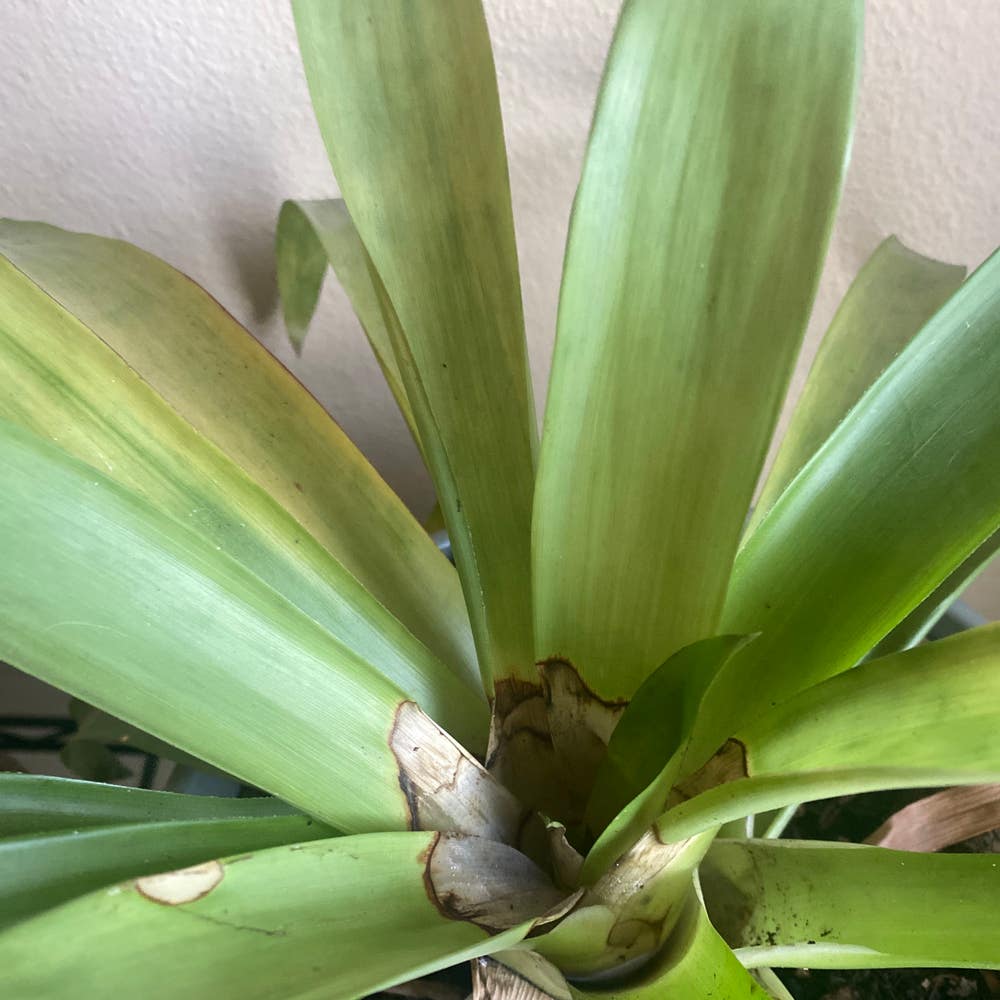
Transplant shock can be a real bummer for your Neoregelia 'Fireball'. Look out for symptoms like wilting, yellowing leaves, and stunted growth, which indicate your plant is struggling.
The causes often stem from root disturbance during the move or sudden environmental changes. It's crucial to recognize these signs early to help your plant bounce back.
🛠️ Solutions for Establishment Problems
To combat establishment problems, start with watering adjustments. Ensure your plant has consistent moisture but avoid waterlogging, which can lead to root issues.
When it comes to fertilization, patience is key. Hold off on feeding your plant immediately after transplanting; wait until it’s well-established to avoid overwhelming it.
🐛 Common Pests and Diseases Affecting Neoregelia 'Fireball'
Pests can be a nuisance, with aphids, mealybugs, and scale insects being the most common culprits. Keep an eye out for these pests to maintain your plant's health.
Diseases like root rot often result from overwatering. Prevent this by ensuring proper drainage and care. If pests do invade, treatment options include insecticidal soap or neem oil, both effective and easy to apply.
By staying vigilant and proactive, you can help your Neoregelia 'Fireball' thrive, turning potential issues into learning experiences. Now, let’s explore how to transplant established plants for even more success!
⚠️ Safety First
This content is for general information and may contain errors, omissions, or outdated details. It is not medical, veterinary advice, or an endorsement of therapeutic claims.
Always consult a qualified healthcare professional before using any plant as food, medicine, or supplement.
Never eat any plant (or feed one to pets) without confirming its identity with at least two trusted sources.
If you suspect poisoning, call Poison Control (800) 222-1222, the Pet Poison Helpline (800) 213-6680, or your local emergency service immediately.
Spotted an error? Please report it here.
Plant your Neoregelia 'Fireball' with confidence 🌱—Greg's tailored care tips and reminders will help you create the perfect environment for your bromeliad to thrive!