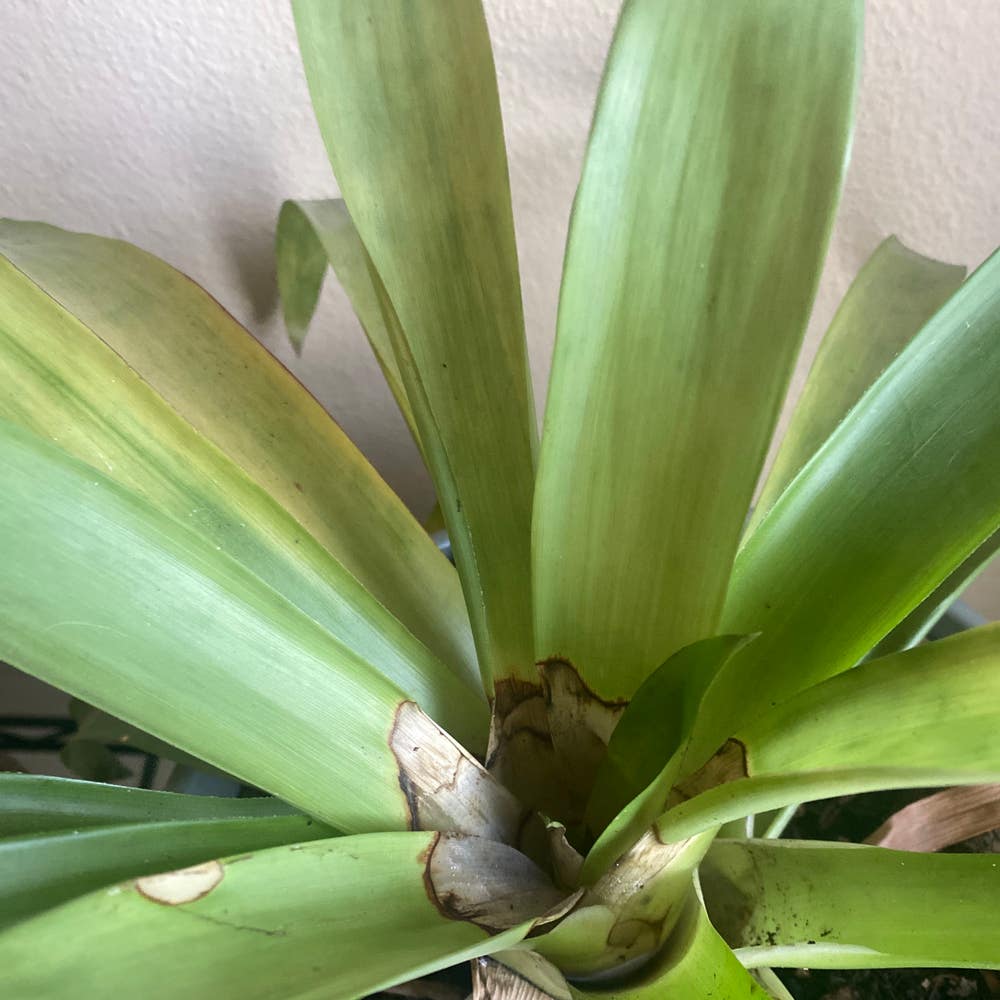
🔥 Ultimate Guide to Neoregelia 'Fireball' Roots
Neoregelia 'Fireball'
By the Greg Editorial Team
Sep 29, 2024•6 min read
This article was created with the help of AI so we can cover more plants for you. May contain errors. See one? Report it here.
Master Neoregelia 'Fireball' root care 🌱 to ensure vibrant growth and prevent common pitfalls!
- 🌱 Neoregelia 'Fireball' has a unique rhizomatous root system for stability and nutrient absorption.
- 💧 Well-draining soil prevents root rot; allow top soil to dry before watering.
- 🌿 Healthy roots are vital for propagation; monitor for signs of rot and stunted growth.
Root System Characteristics
Description of Root Type 🌱
Neoregelia 'Fireball' features a rhizomatous root system. This means its shallow roots spread horizontally, providing stability while efficiently absorbing nutrients.
These roots are perfectly adapted to tropical environments, thriving in conditions where moisture and nutrients can be scarce.
Specific Characteristics of the Root System 🌿
The roots of 'Fireball' are fibrous, fine, and delicate. This structure allows them to absorb moisture quickly from the surrounding soil, which is crucial for the plant's health.
Well-draining soil is vital for maintaining root health. It prevents waterlogging, which can lead to root rot and other issues that threaten the plant's vitality.
Understanding these root characteristics is essential for any plant enthusiast. With the right care, your Neoregelia 'Fireball' can flourish beautifully.
Next, we’ll explore the root depth, spread, and growth patterns to further enhance your understanding of this captivating plant.
Root Depth, Spread, and Growth Patterns
🌱 Typical Root Depth and Spread
The Neoregelia 'Fireball' features a root system that typically reaches a depth of 6 to 12 inches. Its roots can spread horizontally up to 18 inches, allowing the plant to efficiently gather nutrients and moisture from the surrounding soil.
📈 Growth Patterns
These roots grow in a fan-like pattern, which is a clever adaptation for nutrient absorption in nutrient-poor soils. This design helps the plant thrive in its natural tropical habitat, where conditions can vary seasonally.
During different seasons, you may notice variations in growth patterns. Environmental factors like temperature and humidity play a significant role in how vigorously the roots expand and absorb nutrients.
Understanding these growth dynamics is crucial for providing optimal care for your Neoregelia 'Fireball.' As you nurture your plant, keep an eye on its root development to ensure it remains healthy and vibrant.
Next, we’ll explore how to effectively water, fertilize, and transplant your Neoregelia to support its root system.
Watering, Fertilizing, and Transplanting
🌱 How Root System Affects Watering Practices
The root system of Neoregelia 'Fireball' plays a crucial role in determining your watering routine. Allow the top inch of soil to dry out between waterings to prevent over-saturation.
Maintaining moisture is essential, but be cautious—overwatering can lead to root rot, a common issue for these plants.
🌿 Fertilization Techniques
When it comes to fertilization, opt for balanced NPK or bromeliad-specific formulas. A fertilization schedule of every 4-6 weeks during the growing season will keep your plant thriving.
Always dilute fertilizers to prevent root burn, ensuring that your 'Fireball' gets the nutrients it needs without any harm.
🌼 Best Practices for Transplanting
Timing is everything when transplanting. The best period is in spring or early summer, allowing your plant to acclimate to its new environment.
Follow these steps for a successful transplant:
- Prepare a well-draining potting mix.
- Gently remove the plant from its current pot.
- Inspect and trim any damaged roots.
- Place the plant in a new pot, ensuring roots are spread out.
- Water lightly to settle the soil.
By following these guidelines, you’ll help your Neoregelia 'Fireball' flourish in its new home. Now that you’ve mastered watering, fertilizing, and transplanting, let’s dive into common root-related issues that can arise.
Common Root-Related Issues
Identifying Root Rot and Other Diseases 🦠
Root rot can sneak up on you, often showing symptoms like wilting even when you've watered adequately. If you notice dark, mushy roots, it's a clear sign that something is wrong.
Preventative Measures 🛡️
To keep your Neoregelia 'Fireball' healthy, proper watering techniques are essential. Always choose a well-draining potting mix and regularly check for drainage issues to prevent water from pooling.
Solutions for Common Problems ⚙️
If you encounter root rot, act quickly: remove the affected roots and repot the plant in fresh soil. For nutrient deficiencies, adjust your fertilization practices based on the symptoms you're observing.
By staying vigilant and proactive, you can ensure your plant thrives and avoids common root-related pitfalls. Next, let’s explore how to identify indicators of root health to keep your Neoregelia flourishing.
Indicators of Root Health
👀 Visual Cues for Healthy vs. Unhealthy Roots
Healthy roots are a sight to behold. They should be firm, exhibiting a white or light tan color, with no signs of mushiness or discoloration.
In contrast, unhealthy roots tell a different story. Look for dark, slimy textures and any signs of fungal growth or pests, which indicate serious issues.
📊 Other Indicators of Root System Health
Beyond root appearance, overall plant vigor is a key indicator. Healthy plants typically showcase vibrant leaf color and robust growth rates.
Conversely, environmental stress responses can signal trouble. Drooping leaves or stunted growth often point to underlying root health issues that need addressing.
Understanding these indicators can help you maintain a thriving Neoregelia 'Fireball'. With keen observation, you can ensure your plant remains healthy and vibrant, setting the stage for the next section on rootbound plants.
Rootbound Plants
Definition and Recognition 🌱
Rootbound plants are those whose roots have circled the pot, restricting their growth. You can easily spot a rootbound plant by observing signs like stunted growth and water pooling on the surface of the soil.
When and How to Address Issues ⏰
Timing is crucial for addressing rootbound conditions. Intervene when you notice growth slowing or the roots becoming visibly crowded.
Steps to Remedy Rootbound Conditions
- Gently remove the plant from its pot.
- Loosen and trim any circling roots.
- Repot the plant in a larger container filled with fresh soil.
By taking these steps, you can help your Neoregelia 'Fireball' thrive and continue to grow beautifully. Proper care and timely intervention can make all the difference in maintaining a healthy root system.
Next, let’s explore propagation and division techniques to further enhance your plant care skills.
Propagation and Division
🌱 Importance of Root Health
Healthy roots are the backbone of successful propagation. They ensure that new plants establish quickly and thrive in their new environments.
✂️ Techniques for Dividing While Maintaining Root Integrity
The best time to divide your Neoregelia 'Fireball' is during the growing season. This timing maximizes the chances of successful growth and recovery.
Steps for Division
- Remove the plant from its pot: Gently take the plant out, being careful not to damage the roots.
- Identify natural divisions or offsets: Look for sections that can be separated easily.
- Ensure each division has a healthy root system: Check that each piece has enough roots to support growth.
- Replant in appropriate soil: Use a well-draining mix and care for each division as a new plant.
By following these steps, you can propagate your Neoregelia 'Fireball' effectively, ensuring vibrant new plants that carry on the legacy of their parent. This process not only expands your collection but also deepens your connection to these stunning bromeliads.
Next, we’ll explore how to recognize and address rootbound conditions to keep your plants thriving.
⚠️ Safety First
This content is for general information and may contain errors, omissions, or outdated details. It is not medical, veterinary advice, or an endorsement of therapeutic claims.
Always consult a qualified healthcare professional before using any plant as food, medicine, or supplement.
Never eat any plant (or feed one to pets) without confirming its identity with at least two trusted sources.
If you suspect poisoning, call Poison Control (800) 222-1222, the Pet Poison Helpline (800) 213-6680, or your local emergency service immediately.
Spotted an error? Please report it here.
Keep your Neoregelia 'Fireball' roots thriving 🌿 with Greg's tailored watering and fertilization alerts, ensuring they absorb all the nutrients they need for vibrant growth!