🔥 What Temperature Does My Neoregelia 'Fireball' Need?
Neoregelia 'Fireball'
By the Greg Editorial Team
Feb 15, 2024•4 min read
This article was created with the help of AI so we can cover more plants for you. May contain errors. See one? Report it here.
Ensure your Neoregelia 'Fireball' dazzles, not fizzles, by nailing the perfect temperature 🌡️🌿.
- Ideal range 60-80°F (15-27°C) for a thriving Neoregelia 'Fireball'.
- 🌡️ Avoid extremes: Protect from temperatures below 60°F and above 80°F.
- Watch for signs: Sunburnt leaves or mushy spots indicate temperature stress.
Dialing in the Perfect Temperature
🌡️ What's Too Hot, What's Too Cold
The ideal temperature range for Neoregelia 'Fireball' is between 60-80°F (15-27°C). This range ensures your 'Fireball' stays vibrant and healthy.
Avoid temperatures below 60°F, as cold stress can damage the plant. Similarly, temperatures above 80°F may cause your 'Fireball' to wilt or burn, especially if exposed to direct sunlight.
🔥 Keeping the Heat Just Right
🏠 Indoors
To maintain consistent temperatures for your indoor 'Fireball', avoid drafty areas and direct heat sources. Positioning is key; find a spot that's just right.
During winter, watch out for dry, hot air from heating systems. Consider a humidifier to keep your 'Fireball' from dehydrating.
🌳 Outdoors
For outdoor 'Fireballs', seasonal acclimatization is crucial. Gradual exposure to outdoor temperatures allows the plant to adapt without shock.
In summer, provide shade during peak heat hours to prevent scorching. In winter, bring your 'Fireball' indoors or provide protection from frost.
When Your 'Fireball' Feels the Burn
♨️ Telltale Signs of Temperature Trouble
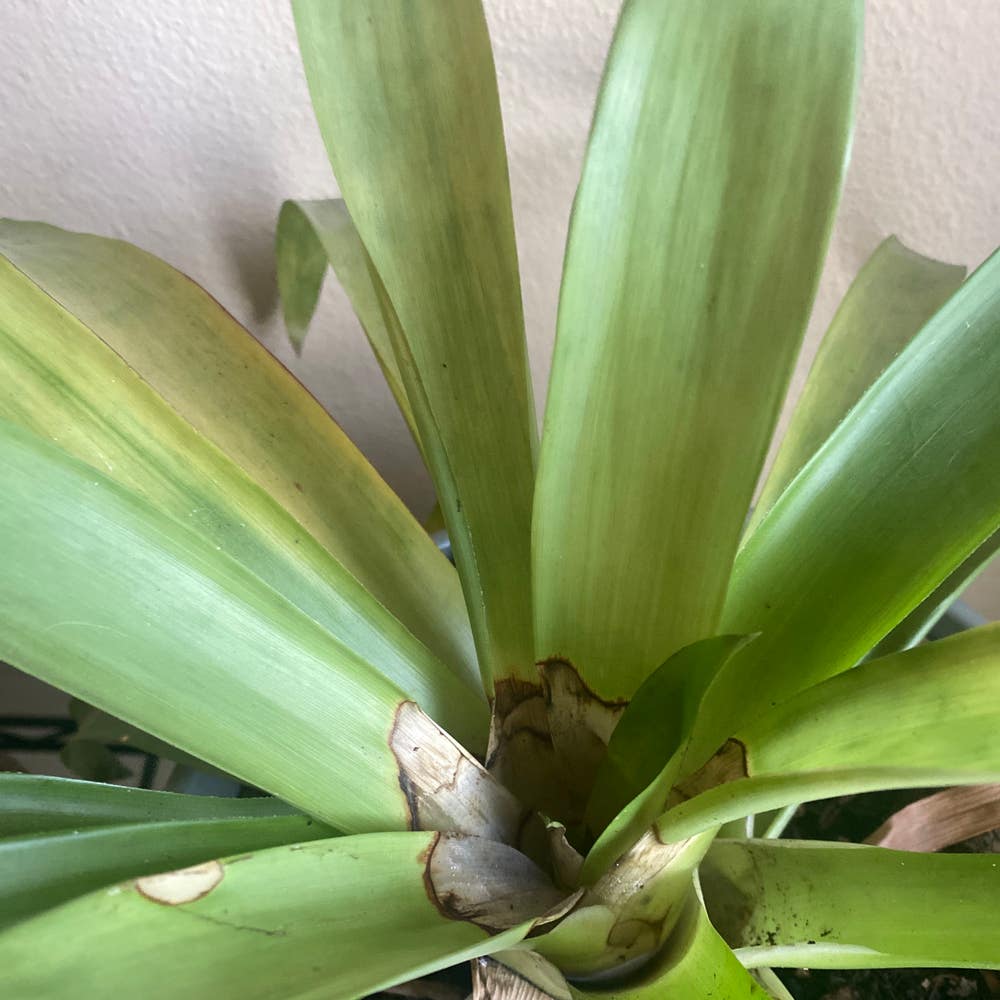
Overheating signs in your Neoregelia 'Fireball' include leaves that look sunburnt or have crispy, bleached spots. It's like the plant version of a red flag. On the other end, cold stress manifests as leaves with a mushy texture or dark, waterlogged spots. Basically, your 'Fireball' is throwing a leafy tantrum.
Immediate steps for an overheated 'Fireball' include moving it to a cooler spot with bright, indirect light. If it's too cold, shield your plant from drafts and consider a warmer location. Remember, quick action can prevent a full-blown plant meltdown.
🌡️ Long-Term Effects of Getting It Wrong
Consistently wrong temperatures are like a bad diet for your 'Fireball'—survival is possible, but thriving is not. Prolonged heat can cause your plant to bolt, a desperate attempt to reproduce before checking out. Chronic cold exposure leads to stunted growth and a diminished vibrancy. It's a slow demise, but it's preventable with vigilance and the right care.
Troubleshooting Temperature Tantrums
🌡️ Common Culprits of Temperature Swings
Drafts and direct heat are the archenemies of your Neoregelia 'Fireball'. They're like unwanted guests at a party, causing your plant to throw a fit. Keep your 'Fireball' away from the path of air conditioning vents and clear of drafty windows. These spots are notorious for causing your plant to experience the greenhouse equivalent of a cold shoulder or a hot flush.
🍂 Seasonal Shifts: Adapting Your Care Routine
As the seasons change, so should your approach to plant care. Winter chill might call for a heat mat or a move away from the frosty window. In the scorching summer, think about providing a bit of shade or extra hydration. It's like updating your wardrobe for the season, but for your plant. Keep a digital thermometer handy to monitor the situation; it's your secret weapon in the battle against temperature mood swings.
A Quick Note on Humidity
💃 The Humidity-Temperature Tango
Humidity isn't just a backdrop for the Neoregelia 'Fireball'; it's a crucial dance partner to temperature. Warmer air can hold more moisture, which means as the mercury rises, so does the potential for humidity. This relationship is key for your 'Fireball', which thrives in a balance—too much humidity can lead to fungal problems, while too little can cause dehydration.
💧 Humidity's Supporting Role
Think of humidity as the hydration buddy of temperature. It's not the star of the show, but without it, your 'Fireball' won't be living its best life. Aim for moderate levels that mimic the plant's natural habitat—warm but not overly soggy.
🛠 Tools of the Trade
A hygrometer can be your best friend, helping you keep an eye on humidity levels. If you find the air in your home too dry, consider using a humidifier or a pebble tray to introduce more moisture. Conversely, if your space feels like a swamp, it's time to dehumidify.
💨 Air Flow: The Secret Ingredient
Good air circulation is essential, not just for temperature stability but also for managing humidity. It helps prevent those unwanted fungal guests. However, keep your 'Fireball' out of the path of direct drafts; it's not a fan of sudden chills.
🌦 Seasonal Adjustments
As seasons change, so will your indoor humidity levels. Keep tabs on these shifts and adjust your care routine accordingly. Your 'Fireball' will thank you by maintaining its vibrant hue and lush foliage.
⚠️ Safety First
This content is for general information and may contain errors, omissions, or outdated details. It is not medical, veterinary advice, or an endorsement of therapeutic claims.
Always consult a qualified healthcare professional before using any plant as food, medicine, or supplement.
Never eat any plant (or feed one to pets) without confirming its identity with at least two trusted sources.
If you suspect poisoning, call Poison Control (800) 222-1222, the Pet Poison Helpline (800) 213-6680, or your local emergency service immediately.
Spotted an error? Please report it here.
Ensure your Neoregelia 'Fireball' stays vibrant 🌡 by using Greg to seamlessly adjust its care as the seasons change, keeping it perfectly cozy and healthy year-round.