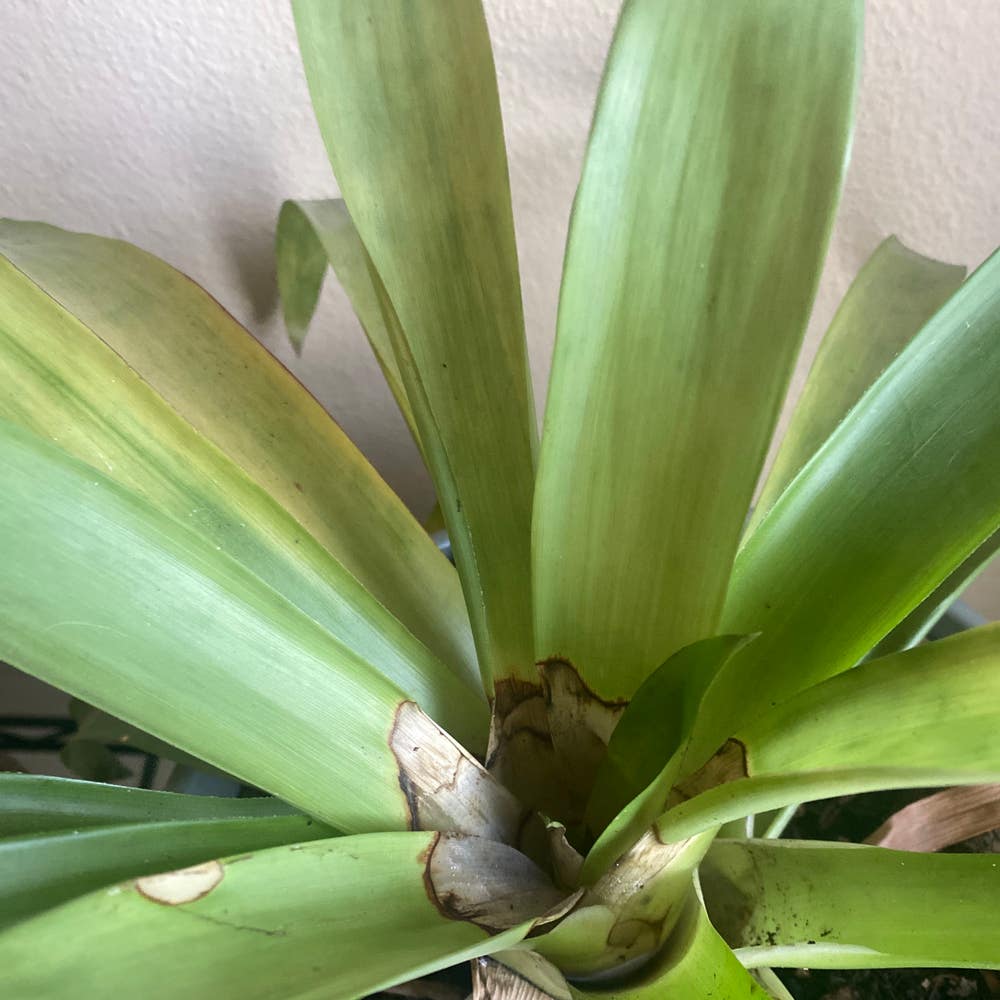
3 Tips for Growing Neoregelia 'Fireball' Outdoors 🔥
Neoregelia 'Fireball'
By the Greg Editorial Team
Sep 29, 2024•6 min read
This article was created with the help of AI so we can cover more plants for you. May contain errors. See one? Report it here.
Master outdoor care for Neoregelia 'Fireball' and watch your garden flourish! 🌱
- 🌞 Neoregelia 'Fireball' thrives in partial shade; avoid direct afternoon sun to prevent leaf scorch.
- 💧 Water weekly and ensure proper drainage to prevent root rot and maintain health.
- 🌱 Use well-draining soil and adjust care seasonally for vibrant foliage and growth.
Outdoor Care Requirements
🌞 Sunlight Needs and Ideal Exposure
Neoregelia 'Fireball' thrives in partial shade to filtered sunlight. Direct afternoon sun can scorch the leaves, so it's crucial to position your plant wisely.
As seasons change, adjust the exposure to ensure your plant receives the right amount of light. This adaptability helps maintain vibrant foliage and overall health.
💧 Watering Requirements and Techniques
During dry spells, water your Neoregelia weekly to keep it hydrated. Focus on watering the central cup and the surrounding soil, ensuring the plant gets the moisture it craves.
However, be cautious of waterlogging, as it can lead to root rot. Proper drainage is key to a flourishing plant.
🌱 Soil Preferences and Amendments
For optimal growth, Neoregelia prefers well-draining sandy loam. This soil type allows for adequate aeration and moisture retention.
Aim for a soil pH between 5.5 and 7.0, which is slightly acidic to neutral. To enhance aeration, consider adding perlite or orchid bark to your soil mix, ensuring your plant's roots stay healthy and happy.
With these outdoor care requirements in mind, you're well on your way to nurturing a stunning Neoregelia 'Fireball.' Next, let's explore the various planting options available for this vibrant bromeliad.
Planting Options
Benefits and Drawbacks of Container Planting 🌱
Container planting offers remarkable mobility, allowing you to reposition your Neoregelia 'Fireball' based on seasonal changes. This flexibility is perfect for optimizing sunlight exposure and protecting your plants from harsh weather.
Managing pests and diseases is generally easier in containers. You can quickly inspect and treat your plants without disturbing the surrounding landscape. Additionally, you have control over soil quality and drainage, ensuring your bromeliad thrives.
However, container planting has its downsides. Limited root space can restrict growth, making it crucial to choose appropriately sized pots. Plus, containers dry out faster, requiring more frequent watering, especially in hot weather.
Another consideration is the potential for overheating. In direct sunlight, containers can heat up quickly, stressing your plants. Be mindful of these factors to keep your 'Fireball' flourishing.
Benefits and Drawbacks of In-Ground Planting 🌍
In-ground planting provides natural moisture retention and nutrient availability, creating a more stable environment for your Neoregelia. This method allows for larger growth potential, giving your plants room to spread out and thrive.
Moreover, integrating your bromeliad into the landscape enhances its aesthetic appeal. It can become a stunning focal point in your garden, blending beautifully with other plants.
On the flip side, in-ground planting comes with challenges. You have less control over soil conditions, which can lead to issues if the ground is too compact or poorly drained. Additionally, your plants may be more vulnerable to pests and diseases lurking in the soil.
Relocating in-ground plants can also be tricky. Once established, they can be difficult to move without causing stress or damage. Weigh these pros and cons carefully to determine the best planting option for your Neoregelia 'Fireball'.
As you consider your planting options, think about how they align with your gardening goals and local conditions. This will set the stage for successful outdoor care.
Protection from Environmental Factors
🌩️ Weather Protection Strategies for Extreme Conditions
Extreme weather can be tough on your Neoregelia 'Fireball'. Using shade cloth during intense heat helps shield the plant from scorching rays, ensuring it thrives.
Mulching is another effective strategy. It retains soil moisture and regulates temperature, creating a more stable environment for your bromeliad. In cooler climates, frost protection methods, such as covering plants with blankets or moving them to sheltered spots, can prevent damage.
🐛 Pest Management and Common Outdoor Pests
Pests can pose a significant threat to your outdoor plants. Common culprits include aphids, mealybugs, and snails, which can wreak havoc if not managed.
Regular inspections are key to early detection. Companion planting can also deter pests naturally, creating a balanced ecosystem in your garden. If infestations occur, consider using organic insecticides or traps to minimize damage.
🦠 Disease Prevention and Treatment
Bromeliads are susceptible to a few diseases, with root rot and leaf spot being the most common. To prevent these issues, ensure proper watering techniques and good air circulation around your plants.
If you notice signs of disease, act quickly. Treatment options include applying fungicides and removing affected leaves to keep your Neoregelia healthy and vibrant.
With these strategies in place, your Neoregelia 'Fireball' will be well-equipped to handle environmental challenges. Next, let’s explore how seasonal changes impact care routines.
Seasonal Care
🌦️ Seasonal Changes and Their Impact on Care
As the seasons shift, so should your care routine for Neoregelia 'Fireball'. Pay attention to temperature changes, as they can stress your plant if not managed properly.
Look for signs of stress, such as wilting or discoloration, especially during transitions. Adjust your watering and light exposure accordingly to keep your plant thriving.
📅 Fertilization Schedule Based on Seasons
In spring, apply a balanced fertilizer every 4-6 weeks to kickstart growth. As summer arrives, increase the frequency to support the plant's active growth phase.
Come fall and winter, dial back fertilization since growth slows down. This helps prevent nutrient buildup that can harm your plant.
🌍 Special Considerations for Different Climate Zones
For those in tropical zones, expect continuous growth and care throughout the year. Keep an eye on humidity and temperature to maintain optimal conditions.
In subtropical zones, be prepared to adjust your care for cooler winters. This might mean bringing your plant indoors or providing extra protection.
For temperate zones, indoor care becomes essential during cold months. Ensure your Neoregelia 'Fireball' gets enough light and warmth to survive the winter chill.
Transitioning into the next section, understanding common challenges will further enhance your ability to care for this vibrant plant.
Common Challenges and Solutions
🌱 Addressing Common Misconceptions About Care
Many people mistakenly believe that Neoregelia 'Fireball' is drought-tolerant. While it can survive short dry spells, consistent watering is essential for optimal growth.
Another common misconception is about its light requirements. These plants thrive in partial shade or filtered sunlight, and too much direct sun can lead to leaf burn.
🛠️ Troubleshooting Common Problems
Overwatering and underwatering can both cause stress to your Neoregelia. Signs of overwatering include yellowing leaves and mushy roots, while underwatering typically manifests as browning leaf tips.
Pest infestations can sneak up on you. Regular inspections can help you catch issues like aphids or mealybugs early, making treatment much easier.
🧰 Tools and Products for Effective Care
To keep your plants healthy, consider investing in a soil moisture meter. This tool helps you gauge when to water, preventing both over and underwatering.
Pruning shears are also essential for maintaining plant health. They allow you to remove dead or damaged leaves, promoting better air circulation.
For fertilization, organic options are often best. They nourish your plants without the harsh chemicals found in synthetic fertilizers.
Lastly, always use high-quality potting mixes for containers. This ensures proper drainage and aeration, which are crucial for the health of your Neoregelia.
With these insights, you're better equipped to tackle common challenges and ensure your Neoregelia 'Fireball' thrives outdoors. Next, let’s explore seasonal care to keep your plant flourishing year-round.
⚠️ Safety First
This content is for general information and may contain errors, omissions, or outdated details. It is not medical, veterinary advice, or an endorsement of therapeutic claims.
Always consult a qualified healthcare professional before using any plant as food, medicine, or supplement.
Never eat any plant (or feed one to pets) without confirming its identity with at least two trusted sources.
If you suspect poisoning, call Poison Control (800) 222-1222, the Pet Poison Helpline (800) 213-6680, or your local emergency service immediately.
Spotted an error? Please report it here.
Transform your Neoregelia 'Fireball' into a vibrant centerpiece 🌟 with Greg's tailored watering reminders and expert tips for thriving outdoors!