Neoregelia 'Fireball' - Fertilizing 101
Neoregelia 'Fireball'
By the Greg Editorial Team
Feb 15, 2024•5 min read
This article was created with the help of AI so we can cover more plants for you. May contain errors. See one? Report it here.
Fuel your Neoregelia 'Fireball's 🔥 bloom with our essential fertilizing tips for a dazzling display! 🌺
- Low nitrogen, high phosphorus for Neoregelia 'Fireball' blooms.
- 🌱 Fertilize monthly in growing season, less in off-season.
- Dilute and apply carefully to avoid over-fertilization damage.
Picking the Right Fertilizer for Your 'Fireball'
💡 Understanding N-P-K Ratios for Bromeliads
N-P-K ratios are the holy grail of plant nutrition, especially for bloomers like Neoregelia 'Fireball'. You want a mix that's low in nitrogen and generous in phosphorus. This isn't just plant science; it's a recipe for those fiery blooms you're after. Aim for a ratio where phosphorus is the standout – it's the bloom booster, after all.
💚 Organic vs. Synthetic Fertilizers
When it comes to organic versus synthetic fertilizers, think of it as a slow food movement versus fast food for your 'Fireball'. Organic options release nutrients at a leisurely pace, nurturing soil health and your plant's long-term well-being. Synthetic fertilizers, the fast-acting kind, can give a quick color pop but risk nutrient burn if you get heavy-handed. Balance and moderation are your best friends here – no one likes a nutrient hangover.
Timing is Everything: When to Fertilize
🌱 Growing Season Feeding
During the growing season, your Neoregelia 'Fireball' is like a marathon runner in training—hungry for nutrients. Fertilize monthly, but stay sharp; if your plant looks lackluster, it's time to tweak the formula.
🍂 Off-Season Fertilization
When growth slows down, think of your 'Fireball' as a bear in hibernation. It's time to ease off the fertilizer. Overfeeding during dormancy is as pointless as offering a sleeping person a sandwich. Keep an eye on the plant and reduce fertilization as the temperature drops and daylight shortens.
The Fertilization Process Step by Step
💧 Mixing and Applying Fertilizers
Fertilizing your Neoregelia 'Fireball' is like crafting a fine brew—it's all about the right mix. Start with a balanced liquid fertilizer, but here's the kicker: dilute it to half strength. Overzealous pouring can lead to nutrient burn, so think of it as a dash of encouragement, not a flood. Mix it in a watering can and apply it directly to the soil, circumventing the leaves to prevent any potential damage.
🍹 Fertilizing the Central Cup
The central cup of your 'Fireball' is a special zone. It's like the plant's own personal cocktail glass, and it needs a light touch. During the growing season, a sparing amount of the same diluted liquid fertilizer can be added directly to the cup. But remember, moderation is key—too much of a good thing can lead to a soggy, rotten mess. After feeding, flush the cup with water to prevent salt buildup and keep your 'Fireball' happy.
Recognizing and Fixing Over-Fertilization
🚨 Spotting the Signs Early
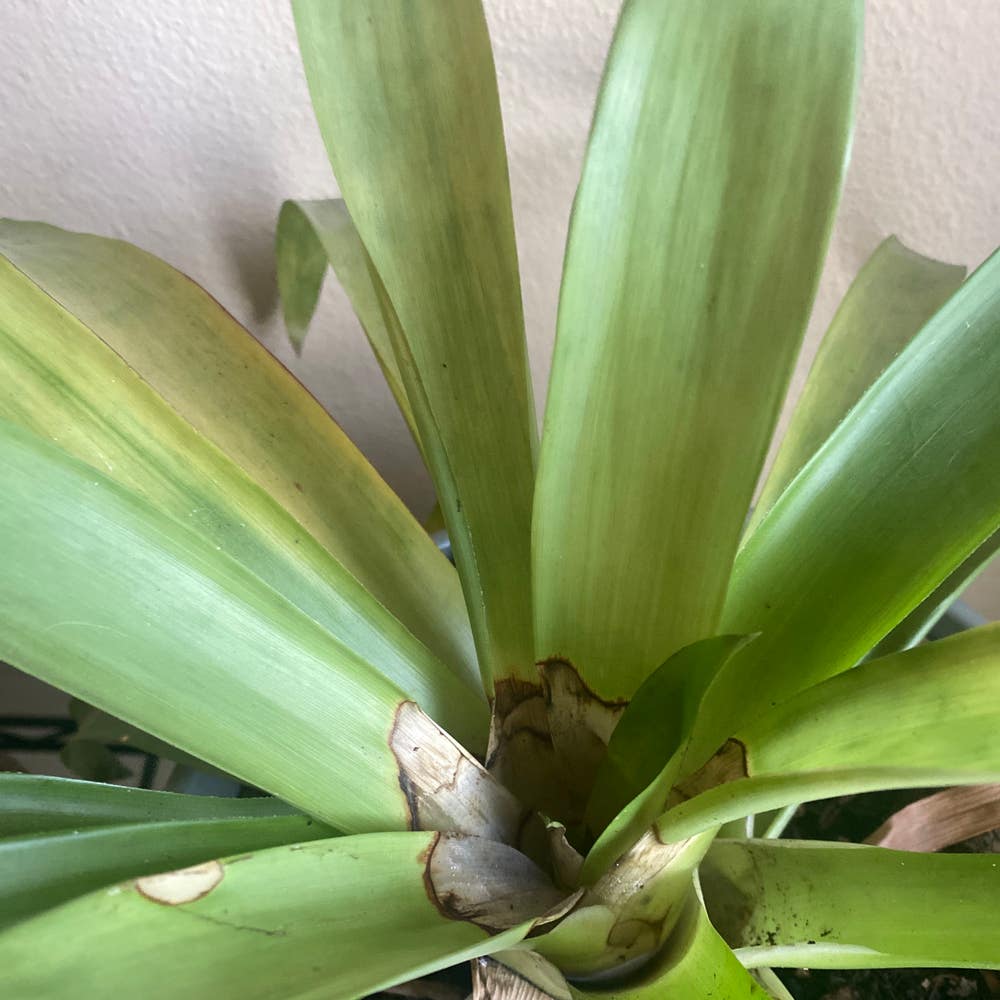
Over-fertilization can be a stealthy adversary for your Neoregelia 'Fireball'. Yellowing leaves or a white crust on the soil surface are your first clues. Brown leaf tips or edges scream for your attention, signaling that you've crossed the line with nutrients. If the plant's growth seems stunted or the vibrant foliage begins to fade, it's time to intervene.
🛠 Quick Fixes for Fertilizer Fiascos
Caught red-handed with the fertilizer spreader? Don't sweat it. First, scrape off any visible fertilizer from the soil. Then, flush the soil with water—think of it as a spa day for your 'Fireball's' roots. Hold off on further fertilization until the plant shows signs of forgiveness, like new growth or regained color. Remember, in the world of plant care, sometimes less is more.
Common Fertilizing Faux Pas to Avoid
🌱 Overzealous Nourishment
Over-fertilization is the equivalent of a nutrient overdose for your Neoregelia 'Fireball'. This can lead to a buildup of salts in the soil, causing the roots to burn and the leaves to suffer. Dilute your fertilizer to half-strength to avoid this pitfall.
🚦 Misreading the Signals
Neoregelia 'Fireball' is a bit of a diva when it comes to light and fertilizer. If it starts losing its vibrant red hue, it's not necessarily a cry for more food but could be a plea for better lighting. Adjust the light before you up the nutrients.
🍹 The Central Cup Conundrum
The central cup of your 'Fireball' is a delicate feeding ground. While it's a natural reservoir, dumping fertilizer in there like it's a waste bin will only invite rot and disease. Moderation is key – a light feeding will suffice.
🍂 Seasonal Overlook
Fertilizing when your 'Fireball' is off-duty during its resting phase is like waking someone up in the middle of a good sleep to offer them a sandwich. It's unnecessary and can be harmful. Hold off on the fertilizer until growth resumes.
🌿 Fertilizer Frenzy
Just because a fertilizer package boasts a miracle growth formula doesn't mean it's right for your plant. Neoregelia 'Fireball' prefers a balanced, low-nitrogen diet to maintain its stunning color without sacrificing bloom potential.
🚰 The Watering-Fertilizing Tango
Watering habits can affect how your 'Fireball' absorbs nutrients. Overwatering can lead to nutrient runoff, while underwatering can concentrate salts. Balance your watering to ensure optimal nutrient uptake.
🌱 Ignoring the Roots
Root health is paramount. If you're not using a well-draining soil mix, you're setting the stage for root rot. Ensure proper drainage to keep those roots happy and capable of taking up the nutrients they need.
🏥 The Recovery Room
If you've pushed the fertilizer envelope too far, it's time for damage control. Stop all fertilization and flush the soil with water to leach out excess salts. Patience is a virtue – wait for signs of recovery before reintroducing any fertilizers, and then, only sparingly.
⚠️ Safety First
This content is for general information and may contain errors, omissions, or outdated details. It is not medical, veterinary advice, or an endorsement of therapeutic claims.
Always consult a qualified healthcare professional before using any plant as food, medicine, or supplement.
Never eat any plant (or feed one to pets) without confirming its identity with at least two trusted sources.
If you suspect poisoning, call Poison Control (800) 222-1222, the Pet Poison Helpline (800) 213-6680, or your local emergency service immediately.
Spotted an error? Please report it here.
Achieve blooming brilliance 🌺 for your Neoregelia 'Fireball' with Greg's tailored fertilizing schedule, preventing over-fertilization and promoting vibrant health.