🔥 How Do I Know When My Neoregelia 'Fireball' Needs Water?
Neoregelia 'Fireball'
By the Greg Editorial Team
Feb 15, 2024•3 min read
This article was created with the help of AI so we can cover more plants for you. May contain errors. See one? Report it here.
Nurture a thriving 'Fireball' 🌺 by decoding its watering needs—no more guesswork!
- 🍂 Yellow, wrinkled leaves? Time to water your 'Fireball'.
- 🌡️💧 Adjust water with seasons, temperature, and humidity for a happy plant.
- 🚰 Use filtered or rainwater to avoid chemical damage.
Spot the Thirst: When to Water Your 'Fireball'
🚰 Look for Visual Cues
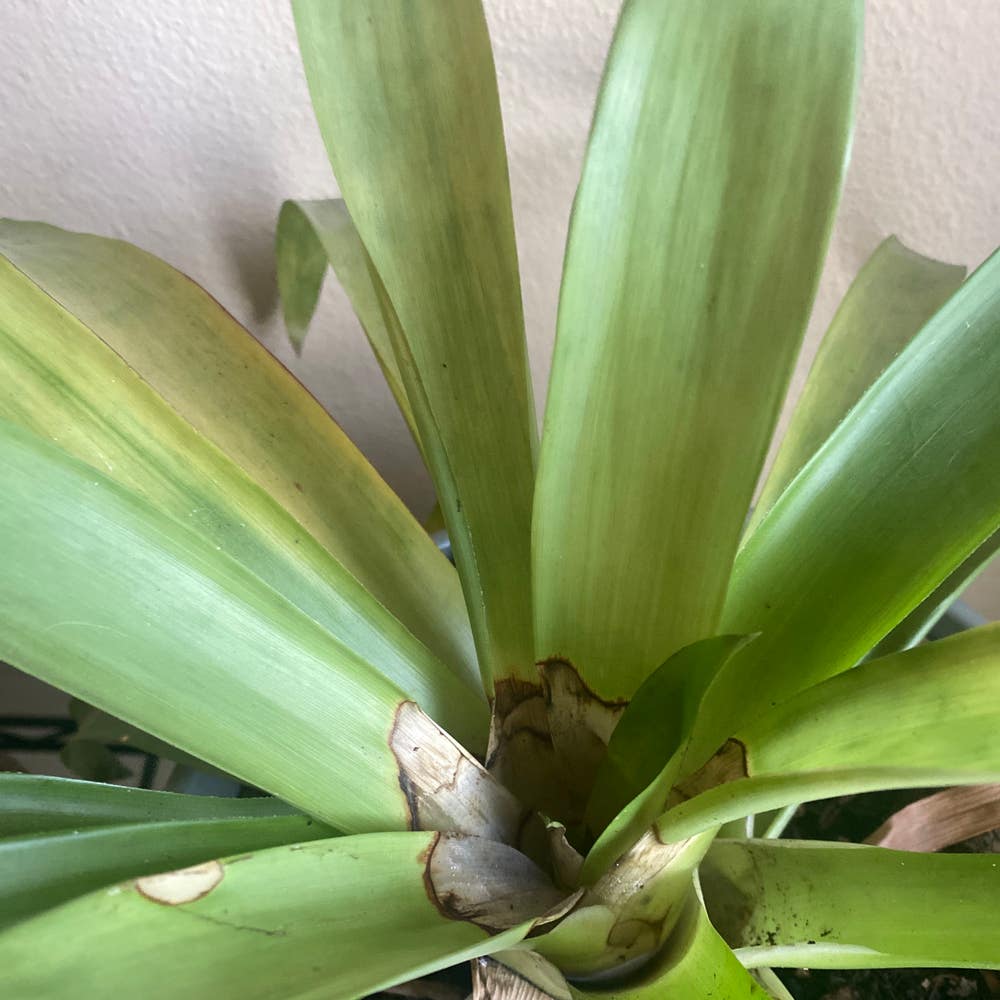
Leaves don't lie. Yellowing or wrinkling leaves on your Neoregelia 'Fireball' scream for water. A dry central reservoir is your cue; it's hydration time.
🌞 Consider the Climate
Your 'Fireball' feels the weather. High temperature and low humidity demand more frequent water dates. It's not needy, just nature.
🍂 Seasonal Shifts
Seasons dictate sips. Summer's sun calls for more generous pours, while winter warrants restraint. Your 'Fireball' isn't just being dramatic; it's surviving.
Watering the Right Way: Techniques and Tips
💧 The Central Cup Method
Watering your Neoregelia 'Fireball' is more precision than guesswork. Fill the central cup with water, ensuring it reaches just below the leaf base. This mimics natural rainfall, where the central tank acts as a reservoir. Avoid overfilling; excess water can lead to rot.
💦 Quality Matters
Tap water can be a frenemy to your 'Fireball'. High in chemicals and minerals, it might leave deposits that harm the plant. If your tap dances to a harsh tune, switch to filtered or rainwater. Room temperature is the sweet spot—no shocks or burns, just pure hydration.
Troubleshooting: Avoiding Water Woes
💦 Overwatering Overkill
Spotting the Signs
When your Neoregelia 'Fireball' starts looking more like a soggy salad than a vibrant plant, take action. Yellow, squishy leaves or a blackened base are your plant's SOS signals. It's not just about the water you see; it's the unseen chaos in the root zone where overwatering invites a fungal free-for-all.
The Rescue Operation
Cease all watering immediately. Let the soil dry out like a desert mirage. If the roots are looking mushy, it's time to play surgeon and prune the damage. Move your 'Fireball' to a brighter spot with more air circulation to speed up the drying process. Remember, it's a plant, not a fish; it doesn't need to swim.
🏜️ Underwatering Issues
Recognizing the Cry for H2O
Shriveled leaves and a dry, dusty central cup are your 'Fireball's' way of telling you it's parched. If the leaves have more wrinkles than your favorite linen shirt, it's time to hydrate.
Quenching the Thirst
Give your 'Fireball' a thorough soak, ensuring the water reaches deep into the roots. Think of it as a spa day for your plant's soil—moist, but not drenched. Adjust your watering routine to avoid future droughts, and consider a soil moisture meter to eliminate the guesswork. It's like a hydration whisperer for your plant.
Keeping the Balance: Environmental Influences on Watering
🌞 Light and Temperature
Your Neoregelia 'Fireball' is a bit of a Goldilocks when it comes to light and temperature: not too much, not too little. Bright, indirect light is its jam, and it's pretty chill with temperatures between 65°F to 75°F (18°C - 24°C). If your 'Fireball' is basking in a sun-drenched spot, it'll guzzle water faster. Conversely, a cooler, dim corner means less frequent water dates.
💦 Humidity and Your 'Fireball'
Humidity is like your plant's invisible dance partner—it's all about finding the right rhythm. Too humid, and your 'Fireball' might as well be in a steam room, with less need for watering. Too dry, and you'll be on watering duty more often. Aim for that sweet spot where the air feels like a crisp spring morning. If you're not rocking a humidifier, try grouping plants or using a pebble tray to keep the vibe right. Just remember, wet leaves at night are a no-go—think damp socks in bed, not pleasant.
⚠️ Safety First
This content is for general information and may contain errors, omissions, or outdated details. It is not medical, veterinary advice, or an endorsement of therapeutic claims.
Always consult a qualified healthcare professional before using any plant as food, medicine, or supplement.
Never eat any plant (or feed one to pets) without confirming its identity with at least two trusted sources.
If you suspect poisoning, call Poison Control (800) 222-1222, the Pet Poison Helpline (800) 213-6680, or your local emergency service immediately.
Spotted an error? Please report it here.
Ensure your Neoregelia 'Fireball' stays vibrant 🔥 with Greg's tailored watering reminders, adapting to every season's needs.