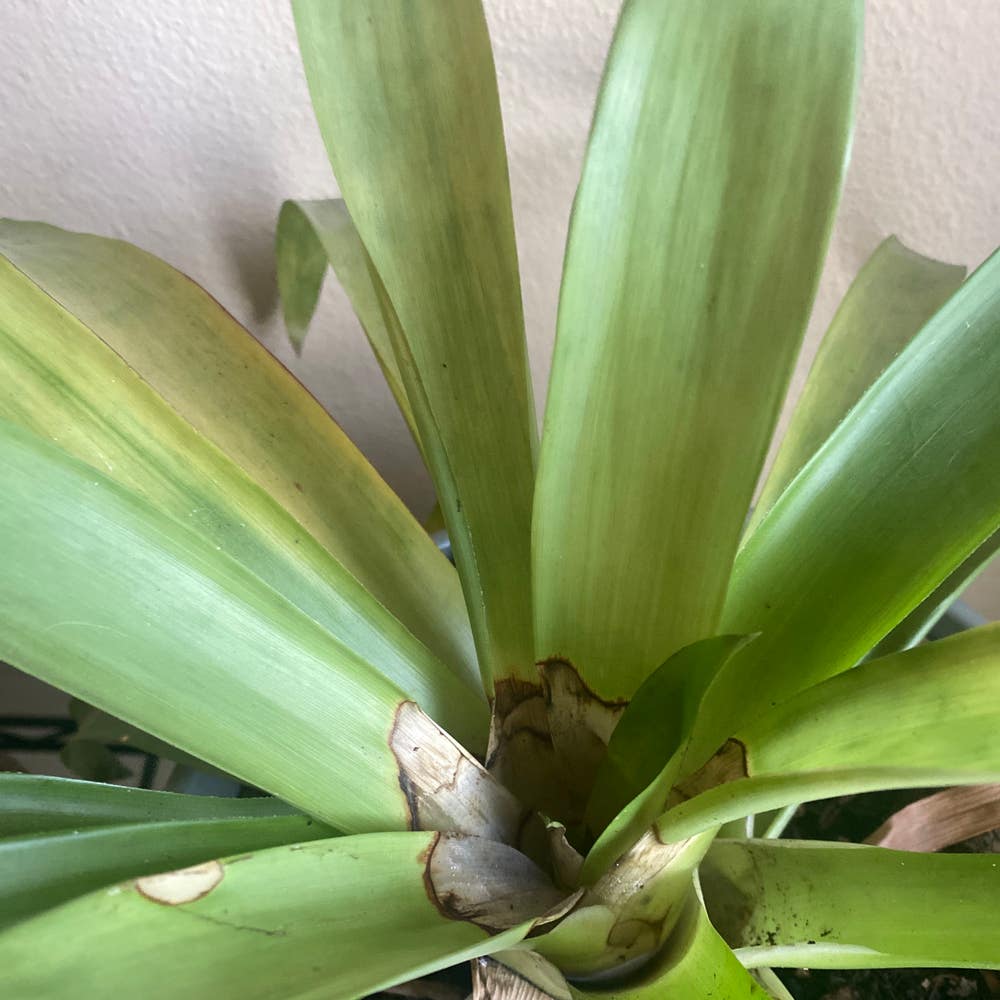
🐝 Ultimate Guide to Pollinating Neoregelia 'Fireball'
Neoregelia 'Fireball'
By the Greg Editorial Team
Sep 29, 2024•6 min read
This article was created with the help of AI so we can cover more plants for you. May contain errors. See one? Report it here.
Unlock the secrets of Neoregelia 'Fireball' 🌱 and its unique pollination strategies for vibrant blooms and a thriving garden!
- 🌺 Neoregelia 'Fireball' attracts hummingbirds and bees with its vibrant tubular flowers.
- 🌱 Self-pollination ensures seed production, while cross-pollination boosts genetic diversity.
- 🌍 Creating a pollinator-friendly garden enhances biodiversity and supports ecosystem health.
Flower Structure
🌸 Description of Flower Characteristics
Neoregelia 'Fireball' boasts stunning tubular flowers that are elongated and narrow. This unique shape is perfectly designed for specific pollinators, making it a favorite among nature's best.
The vibrant colors of red and purple not only catch the eye but also serve a crucial purpose. These bright hues attract pollinators like hummingbirds and bees, ensuring the plant's reproductive success.
🌼 Arrangement
The flowers emerge from a central spike, creating a striking visual display. Surrounding these blooms are rosette leaves that can hold water, providing a natural reservoir that further entices pollinators.
🐝 Role in Pollination
Self-Pollination
The flower structure of Neoregelia 'Fireball' facilitates self-pollination effectively. This ability ensures that even in the absence of external pollinators, the plant can still produce seeds.
Self-pollination is beneficial for plant health, allowing for consistent seed production and maintaining genetic stability.
Cross-Pollination
While self-pollination is advantageous, cross-pollination enhances genetic diversity. The tubular shape and vibrant colors of the flowers attract various pollinators, which increases the chances of successful cross-pollination.
This diversity is vital for the resilience of the species, allowing it to adapt to changing environments.
With a solid understanding of the flower structure and its role in pollination, we can now explore the fascinating pollination process itself.
Pollination Process
🌱 Self-Pollination Mechanism
Neoregelia 'Fireball' has a fascinating ability to self-pollinate. This process typically occurs when the flowers are fully mature, often during warm, humid conditions that favor pollen transfer.
Self-pollination offers significant benefits, including increased seed production and enhanced plant health. It ensures that even in the absence of pollinators, the plant can reproduce effectively.
🦋 Cross-Pollination Requirements and Primary Pollinators
While self-pollination is effective, cross-pollination plays a crucial role in enhancing genetic diversity. Several key pollinators are attracted to Neoregelia 'Fireball' due to its unique flower structure.
Hummingbirds
Hummingbirds are particularly drawn to the tubular flowers. Their long beaks allow them to access nectar while transferring pollen from one flower to another.
Bees
Bees also play a vital role in the pollination process. They interact with the flower's structure, collecting nectar and inadvertently moving pollen, which boosts pollination success.
Butterflies and Moths
Butterflies and moths contribute to the pollination ecosystem as well. Their attraction to the vibrant colors of the flowers helps facilitate pollen transfer, further supporting the plant's reproductive efforts.
In summary, both self-pollination and cross-pollination are essential for the health and reproduction of Neoregelia 'Fireball'. Understanding these processes sets the stage for exploring natural pollination methods next.
Natural Pollination
🌼 Pollen Transfer Mechanisms
Natural pollination in Neoregelia 'Fireball' is a fascinating process. Pollen is transferred between flowers primarily through the action of pollinators, but the water held in the rosette also plays a crucial role.
This water not only attracts pollinators but also helps to keep the flowers hydrated, enhancing their appeal. As pollinators visit, they inadvertently brush against the anthers, collecting pollen that they later transfer to the stigma of other flowers.
🌱 Importance of Natural Pollination
Natural pollination is vital for the reproduction of Neoregelia 'Fireball'. It ensures genetic diversity, which is essential for the resilience and adaptability of the species.
By facilitating cross-pollination, this process helps produce healthier offspring. A diverse gene pool can lead to stronger plants that are better equipped to thrive in varying environmental conditions.
Hand Pollination
Hand pollination can be a rewarding way to ensure the success of your Neoregelia 'Fireball.' This method allows you to take control of the pollination process, especially when natural pollinators are scarce.
Step-by-Step Instructions 🌱
Identify Male and Female Flower Parts
Start by locating the male and female components of the flower. The male parts include the anthers and stamens, while the female parts consist of the pistil and stigma.Collecting Pollen
Use a small brush or cotton swab to gather pollen from the anthers. This delicate approach helps preserve the pollen's viability.Transferring Pollen
Gently apply the collected pollen to the stigma of the female flower. This step is crucial for successful fertilization.Timing
Perform hand pollination during peak flowering periods for the best results. This timing maximizes the chances of successful seed production.
Hand pollination not only boosts your plant's reproductive success but also deepens your connection with nature. By actively participating in the pollination process, you can ensure that your Neoregelia 'Fireball' thrives and produces vibrant seeds.
As you embark on this pollination journey, consider how creating a pollinator-friendly environment can further enhance your gardening experience.
Supporting Pollinators
🌼 Creating a Pollinator-Friendly Environment
Designing a garden that attracts pollinators is both rewarding and essential. Start by incorporating native plants that bloom at different times throughout the growing season. This ensures a continuous food source for pollinators.
Additionally, providing water sources is crucial. Shallow dishes or birdbaths can serve as hydration stations, making your garden a welcoming oasis for bees, butterflies, and hummingbirds.
🌱 Companion Plants
Choosing the right companion plants can significantly enhance your pollinator-friendly environment. For bees, consider adding lavender, echinacea, and salvia. These plants not only attract bees but also add vibrant colors to your garden.
To draw in hummingbirds, fuchsia and trumpet vine are excellent choices. Their tubular flowers are irresistible to these energetic pollinators, ensuring your garden buzzes with life.
Creating a supportive environment for pollinators not only benefits your Neoregelia 'Fireball' but also contributes to the broader ecosystem. By fostering these relationships, you enhance biodiversity and promote a healthier garden.
Next, let’s explore the challenges that can arise in the pollination process and how to overcome them.
Pollination Challenges
Common Obstacles 🌧️
Pollination can be hindered by various environmental factors. Temperature and humidity levels play a significant role in the success of pollination, as extreme conditions can deter pollinators.
Additionally, the decline in pollinator species due to habitat loss and pesticide use poses a serious challenge. Without these vital creatures, the chances of successful pollination decrease dramatically.
Solutions 🌱
To improve pollination success, consider creating sheltered areas for your plants. These spaces can protect them from harsh weather conditions that might otherwise disrupt the pollination process.
Implementing organic gardening practices is another effective strategy. By avoiding harmful chemicals, you can attract and maintain healthy pollinator populations, ensuring a thriving ecosystem.
Seasonal Variations 🍂
Flowering seasons also influence pollination opportunities. Understanding the timing of your plants' blooms can help you strategize when to focus your efforts on attracting pollinators.
By aligning your gardening practices with the natural rhythms of the seasons, you can enhance the chances of successful pollination for Neoregelia 'Fireball' and other plants. This thoughtful approach not only benefits your garden but also supports the broader environment.
⚠️ Safety First
This content is for general information and may contain errors, omissions, or outdated details. It is not medical, veterinary advice, or an endorsement of therapeutic claims.
Always consult a qualified healthcare professional before using any plant as food, medicine, or supplement.
Never eat any plant (or feed one to pets) without confirming its identity with at least two trusted sources.
If you suspect poisoning, call Poison Control (800) 222-1222, the Pet Poison Helpline (800) 213-6680, or your local emergency service immediately.
Spotted an error? Please report it here.
Unlock the full potential of your Neoregelia 'Fireball' by creating a pollinator-friendly paradise 🌼, and let Greg guide you with tailored tips to attract those vital pollinators for a blooming success!