Should I Repot My Neoregelia 'Fireball' And If So, How?
Neoregelia 'Fireball'
By the Greg Editorial Team
Feb 15, 2024•4 min read
This article was created with the help of AI so we can cover more plants for you. May contain errors. See one? Report it here.
Nurture your 'Fireball' to peak vibrancy 🌺—discover the timely secrets of repotting for lush, healthy growth.
- 🌱 Repot when roots show or growth halts, ideally in spring.
- 🏺 Choose a shallow, wide pot—terracotta for breathability, plastic for ease.
- 💧 Post-repot care: Light water, indirect light, consistent humidity.
When to Give Your 'Fireball' a New Home
🌱 Spotting the Telltale Signs
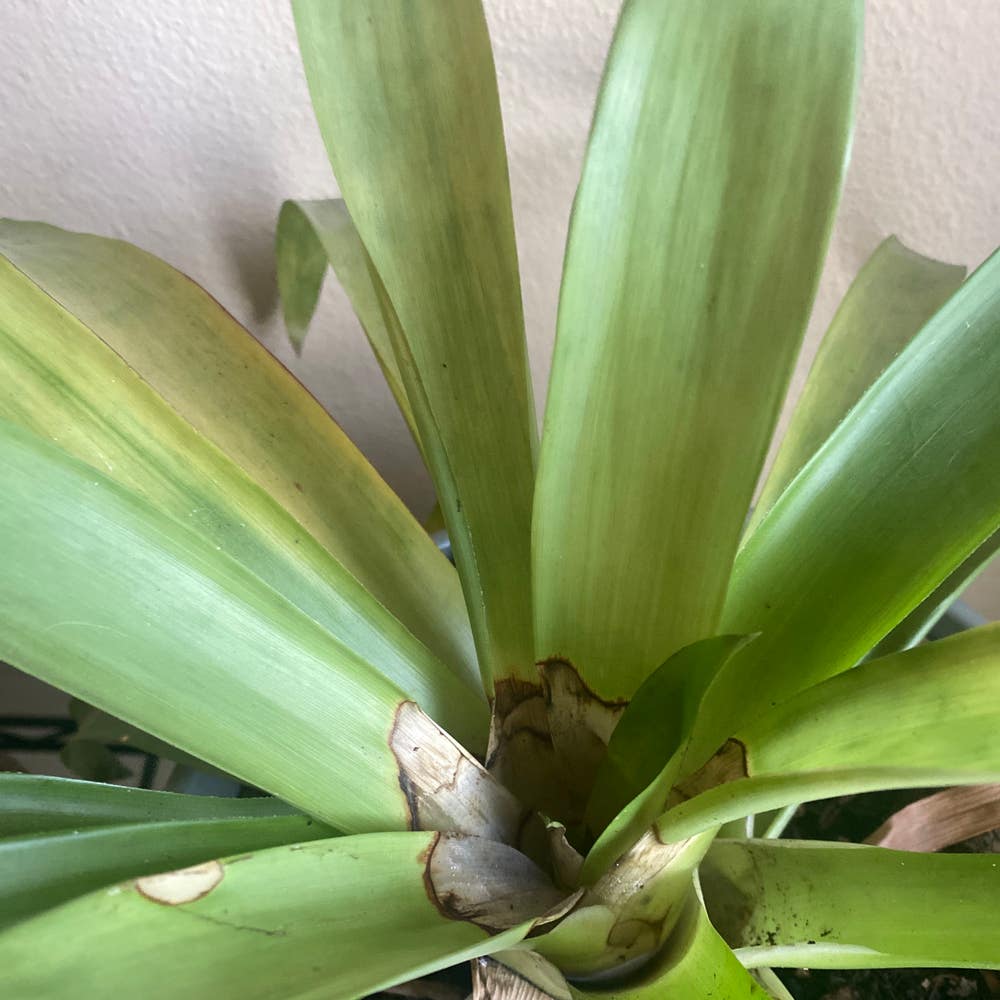
Roots peeking out of the drainage holes? That's your Neoregelia 'Fireball' whispering for more space. Yellow leaves or a halt in growth aren't just a phase; they're red flags for repotting. When the 'Fireball' starts resembling a bobblehead, it's definitely time to consider a new pot.
🕰 Timing is Everything
Spring is your 'Fireball's' ideal moving day. This season aligns with its natural growth spurt, creating the perfect conditions for root expansion. Avoid the dormancy of winter and the stress of summer heat. Repotting in spring sets the stage for a summer of lush, vibrant growth.
Choosing the Perfect Pot
🏺 Material Matters
Terracotta, plastic, and ceramic are the main contenders for housing your Neoregelia 'Fireball'. Each has its quirks. Terracotta is like that friend who can't keep a secret—porous and breathable, letting moisture and air pass through easily. Great for preventing soggy soil, but it means more frequent watering.
Plastic pots are the low-maintenance buddy. They're lightweight and retain moisture, which can be a blessing or a curse. Over-waterers, beware; these pots could turn your 'Fireball' into a swamp thing.
Ceramic pots are the stylish middle sibling. They come glazed or unglazed, with the former being less breathable but more of a statement piece. They're heavier, which means they won't tip over easily, but they can be as fragile as your grandmother's china.
Size and Shape Considerations
For Neoregelia 'Fireball', think shallow and wide. These plants are not deep rooters, so a deep pot is like a pair of high heels on a hike—unnecessary and problematic. A shallow pot prevents water from loitering at the bottom, which can lead to root rot.
Size is crucial. Too big, and the soil stays wet longer than a rain-soaked jacket. Too small, and your 'Fireball' might feel cramped. Aim for a pot that's just right—like Goldilocks, but for plants. The pot should be 1-2 inches larger in diameter than the plant's root system to allow for growth without overdoing it.
The Repotting Rundown
🛠️ Prepping Your Plant and Tools
Before diving into the repotting process, assemble your arsenal. You'll need a new pot, preferably one that's a couple of inches larger in diameter than the old one. Grab a fresh potting mix, a trowel for digging, gloves to keep your hands clean, and a watering can. Make sure the new pot is squeaky clean to prevent any unwanted microscopic hitchhikers. If you're reusing a pot, give it a good scrub with soapy water, rinse thoroughly, and let it dry completely.
Step-by-Step Repotting Guide
The Gentle Uproot
Water your Neoregelia 'Fireball' to make the transition smoother. Ease the plant out of its current pot; if the pot's stubborn, a gentle squeeze or a tap might do the trick. Inspect the roots and trim any that are dead or circling to encourage new growth.
Homecoming
Place a layer of fresh potting mix in the bottom of the new pot. Center your plant in the new pot, ensuring it's at the same depth it was previously. Fill in around the plant with more potting mix, then tap the pot to settle the mix without compacting it too much.
The Gentle Transition
Water the plant thoroughly after repotting to help eliminate air pockets, but don't turn it into a swamp. Aim for moist, not soggy. Over the next few weeks, keep the soil consistently damp as your 'Fireball' acclimates to its new home. Remember, it's not on a water ride, so no flooding the scene. Place it in a spot where it can bask in the right light and humidity levels for a triumphant recovery.
Post-Repotting Care
🌱 Immediate Aftercare
Your Neoregelia 'Fireball' has just moved house—treat it gently. Begin with a light watering; think of it as a welcome drink rather than a flood. Place your bromeliad back into its comfort zone of bright, indirect light. This isn't the time for a sunbath or a dark closet; it's about finding that sweet spot where it feels like it's on a shaded porch in the tropics.
Long-Term Success
Consistency is your 'Fireball's' new bestie. Keep the temperature steady—no saunas or ice caves, please. Humidity should be like a misty morning, not a monsoon. Check for signs of distress, but don't hover. Remember, it's a plant, not a toddler. Over the next few weeks, watch your 'Fireball' for new growth—it's the plant equivalent of a thumbs-up. Keep pests and diseases on your radar; these critters love a plant in transition.
⚠️ Safety First
This content is for general information and may contain errors, omissions, or outdated details. It is not medical, veterinary advice, or an endorsement of therapeutic claims.
Always consult a qualified healthcare professional before using any plant as food, medicine, or supplement.
Never eat any plant (or feed one to pets) without confirming its identity with at least two trusted sources.
If you suspect poisoning, call Poison Control (800) 222-1222, the Pet Poison Helpline (800) 213-6680, or your local emergency service immediately.
Spotted an error? Please report it here.
Repot your Neoregelia 'Fireball' with confidence and let Greg track its post-repot progress 🌱, ensuring your plant's success with timely care reminders.