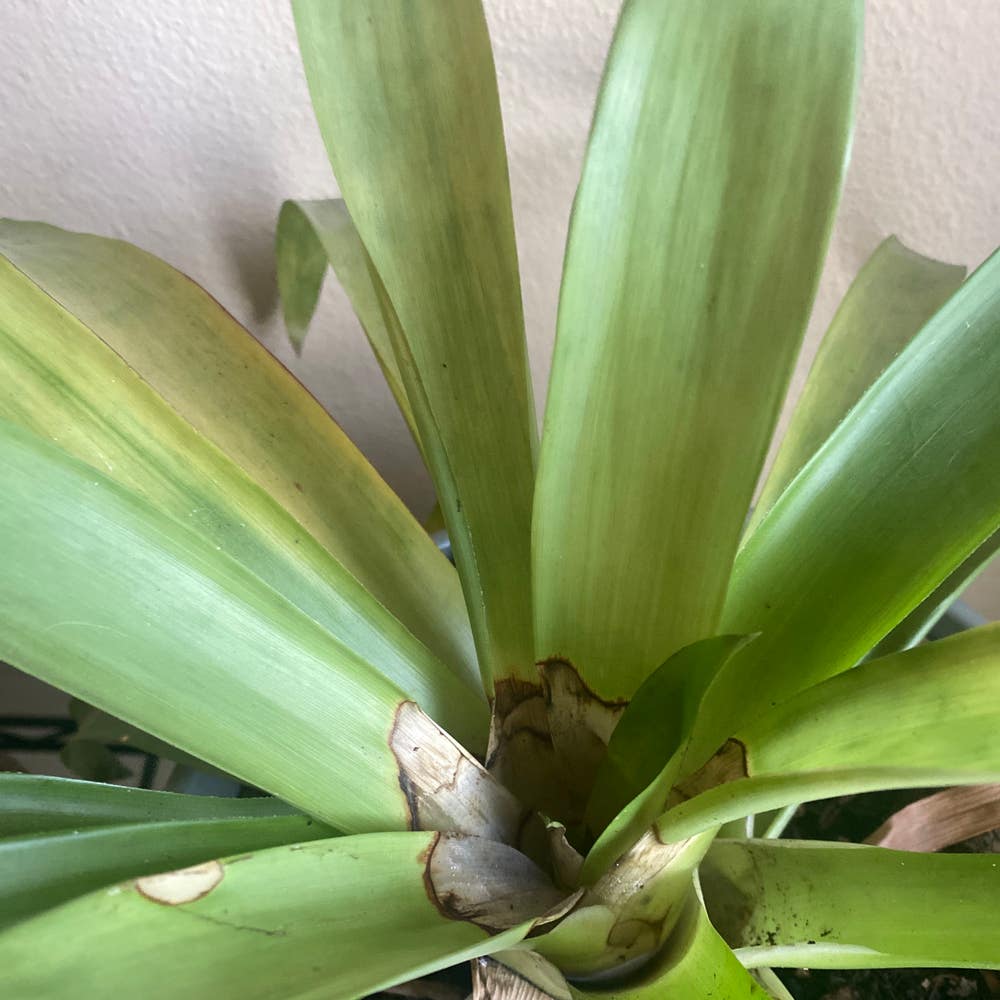
What Are The Bugs on My Neoregelia 'Fireball'? 🐛
Neoregelia 'Fireball'
By the Greg Editorial Team
Feb 15, 2024•3 min read
This article was created with the help of AI so we can cover more plants for you. May contain errors. See one? Report it here.
Safeguard your fiery Neoregelia 'Fireball' 🌿 from pesky invaders with these expert pest-battling strategies! 🛡️
- Identify pests by webbing, bumps, or tiny flies around your Neoregelia 'Fireball'.
- Use neem oil, soap, or predators like ladybugs for natural pest control.
- Prevent pests with dry soil, good air flow, and quarantining new plants.
Spot the Invaders: Identifying Common Pests
🕷️ Spider Mites and Thrips
Tiny webbing under leaves? You've got spider mites. These pests are like undercover agents, barely visible until their damage is clear. Stippling on leaves is their calling card, a sign they're sapping the life out of your Neoregelia 'Fireball'.
🐞 Scale and Mealybugs
Notice waxy, shell-like bumps on stems or leaves? That's scale for you, freeloaders that suck the life out of your plants. And if you see cottony masses, mealybugs are throwing a party at your plant's expense.
🦟 Fungus Gnats and Fruit Flies
If you're seeing tiny flies around the plant or soil, it's time to check for overwatering. Fungus gnats and fruit flies are like those annoying guests who won't leave, indicating too much moisture.
🦗 Aphids
Spot clusters of small, pear-shaped insects on new growth? Those are aphids, the vampires of the plant world, quietly draining your Neoregelia 'Fireball' of its vital juices.
Battle Tactics: Effective Remedies for Each Pest
🌿 Natural and Organic Solutions
Neem oil is your plant's personal bodyguard, fending off a variety of pests with its natural pesticidal properties. Apply it with precision to avoid any collateral damage like leaf burn. Insecticidal soap acts as a selective strike against invaders, sparing your 'Fireball' the harshness of chemical warfare. Don't forget about nature's own hit squad: beneficial predators such as ladybugs are discreet, yet effective in taking out aphid populations.
🛠 DIY and Home Remedies
For a hands-on approach, rubbing alcohol is your sniper, taking out mealybugs and scale insects with a cotton swab. Hydrogen peroxide offers a broader spectrum hit, cleansing the soil of larvae and eggs when mixed with water. A simple water spray can dislodge the more timid pests, making it a non-toxic first line of defense.
🌍 Environmental Adjustments
Sometimes, the best offense is a good defense. Increase humidity around your Neoregelia 'Fireball' to deter spider mites, who prefer dry conditions. Improving air circulation can also send pests packing, as stagnant air is an invitation for infestation. Remember, a well-aerated environment is less hospitable to the creepy crawlies.
Fortify Your Plant: Prevention Strategies
🌱 Cultural Practices
Hygiene is paramount. Keep your Neoregelia 'Fireball' pristine by regularly removing dead or decaying leaves. This isn't just about aesthetics; it's about eliminating potential pest hideouts and disease incubators. Inspections should be as routine as watering—make it a habit to scrutinize your plant for early signs of trouble.
💧 Soil and Water Management
Overwatering is the enemy. Wait for the soil to dry before giving your plant a drink. This isn't just watering wisdom; it's a preventative measure against root rot and fungal growth. When it comes to soil, choose a type that drains well to keep your plant's feet dry and happy.
🚫 Quarantine and Inspection
New plants should be treated like unverified apps—quarantine them before integration. This is your digital firewall against pests. Inspect them thoroughly; if they're clean, they can join the party. Remember, introducing a new plant without a check is like skipping antivirus updates—it's a risk you don't want to take.
⚠️ Safety First
This content is for general information and may contain errors, omissions, or outdated details. It is not medical, veterinary advice, or an endorsement of therapeutic claims.
Always consult a qualified healthcare professional before using any plant as food, medicine, or supplement.
Never eat any plant (or feed one to pets) without confirming its identity with at least two trusted sources.
If you suspect poisoning, call Poison Control (800) 222-1222, the Pet Poison Helpline (800) 213-6680, or your local emergency service immediately.
Spotted an error? Please report it here.
Keep your Neoregelia 'Fireball' thriving 🌿 by using Greg to stay ahead of pests with proactive care schedules and community advice for a bug-free bliss!