When and Where Should I Trim My Neoregelia 'Fireball'?
Neoregelia 'Fireball'
By the Greg Editorial Team
Feb 15, 2024•4 min read
This article was created with the help of AI so we can cover more plants for you. May contain errors. See one? Report it here.
Ignite robust growth in your 'Fireball' 🌿 with timely trims—here's when and how!
- Post-flowering pruning promotes new 'Fireball' growth.
- Pups signal pruning time; separate for plant health.
- Use sharp, sterilized tools for clean cuts and disease prevention.
Timing Your Trims: When to Prune for Perfection
⏰ Post-Flowering: The Ideal Pruning Period
Pruning isn't a whimsical garden ballet; it's strategic timing. After the Neoregelia 'Fireball' has dazzled with its blooms, it's showtime for your shears. This post-flowering phase is when the plant is most receptive to pruning, ready to channel energy into new growth rather than old blooms.
🐶 Pup Talk: Trimming When Offsets Appear
When pups—those plucky little offsets—start popping up, it's a clear signal from your 'Fireball' that it's time to intervene. These newcomers indicate that the mother plant's life cycle is progressing, and pruning can help manage their growth, ensuring the vigor of the entire plant family.
Snip in the Right Spot: Where to Trim Your 'Fireball'
🌱 Targeting the Trim: Identifying What Goes
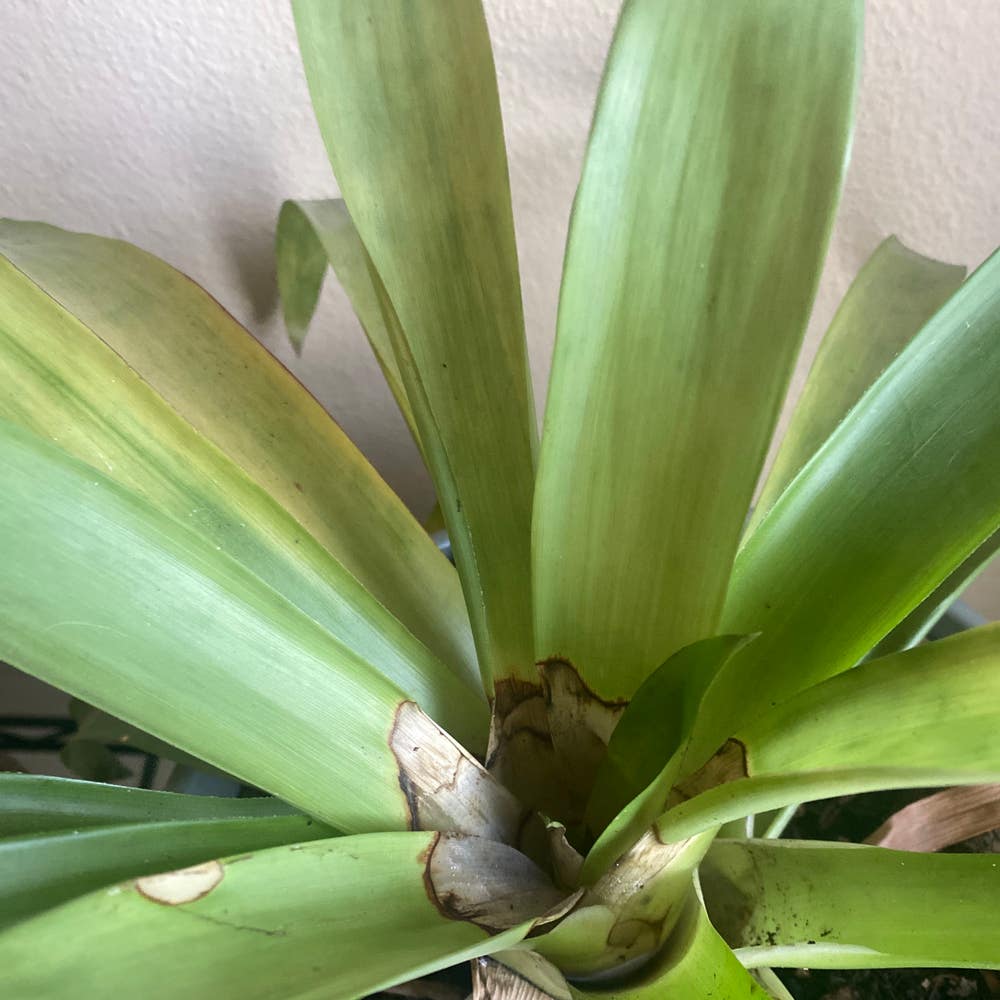
Trimming your Neoregelia 'Fireball' isn't just about hacking away at excess foliage; it's a strategic move to enhance health and maintain its fiery form. Yellowing leaves are freeloaders on your plant's resources—snip them off. When it comes to the central cup, be cautious; it's the lifeblood of your 'Fireball'. Trimming here should be minimal, removing only damaged or dead leaves to prevent water stagnation and rot.
👩🌾 Mother Plant and Pup Pruning
After the Neoregelia 'Fireball' blooms, the mother plant will eventually decline. This is your cue to let the pups, or offsets, take center stage. Once they boast a handful of leaves, it's time to separate them from the mother plant using sterilized tools. Be gentle; think surgical precision, not a lumberjack chop. The mother plant can then be removed to give the pups ample space to grow, ensuring the next generation of 'Fireballs' are just as vibrant as the first.
Pruning Like a Pro: Techniques and Tools
🔪 Clean Cuts: Using the Right Tools
Sharpness is your plant's best friend. Select pruning tools that make you feel like a plant-surgeon—precision is key. For your Neoregelia 'Fireball', bypass pruners or sharp scissors will do the trick for most cuts. When dealing with thicker growth, lopping shears are your muscle, sparing you from an unexpected workout.
Sterilization isn't just for the OR; it's a must for your pruning tools. A dip in isopropyl alcohol or a bleach solution acts as a disinfectant, warding off any potential plant pathogens. Think of it as a vaccine for your 'Fireball'—preventing is better than curing.
Step-by-Step Pruning Guide
- Inspect your 'Fireball' for dead or overgrown leaves. These are your targets.
- Clean your tools. A quick swipe with alcohol ensures you're not spreading any plant plagues.
- Snip strategically. Aim for cuts just above the node, angling your shears at 45 degrees to shed water and encourage healing.
- Balance is the goal. Trim more in dense areas to maintain an even, aesthetically pleasing shape. Remember, it's a haircut, not a head shave—never remove more than 25% of the plant at once.
- Clean up after the operation. Give your tools another alcohol bath. It's like brushing your teeth after a meal—keeps things fresh for the next round of pruning.
After the Snip: Ensuring a Speedy Recovery
🌱 Post-Trim Care Tips
Water Wisely: Your 'Fireball' will be thirsty after pruning, but don't drown it in sympathy. Moderate watering encourages recovery without risking root rot.
Light and Temperature: Keep your plant in a spot with bright, indirect light. Avoid temperature swings to prevent additional stress.
🛠 Quick Fixes for Common Post-Pruning Issues
Yellowing Leaves: If leaves start to yellow, reassess your watering habits. Overwatering is often the culprit.
Stagnant Growth: Not seeing new growth? Make sure your 'Fireball' isn't sitting in the dark. Boost light exposure, but dodge direct sunlight.
Clean Tools: Keep your pruning shears clean. A quick swipe with rubbing alcohol post-snip prevents disease spread.
Debris Duty: Clear away fallen leaves promptly. They're not confetti; they're a pest party waiting to happen.
Watchful Eye: Post-pruning, play detective. Spot signs of stress or disease early to keep your 'Fireball' from fizzling out.
⚠️ Safety First
This content is for general information and may contain errors, omissions, or outdated details. It is not medical, veterinary advice, or an endorsement of therapeutic claims.
Always consult a qualified healthcare professional before using any plant as food, medicine, or supplement.
Never eat any plant (or feed one to pets) without confirming its identity with at least two trusted sources.
If you suspect poisoning, call Poison Control (800) 222-1222, the Pet Poison Helpline (800) 213-6680, or your local emergency service immediately.
Spotted an error? Please report it here.
Prune your Neoregelia 'Fireball' to perfection ✂️ with Greg's custom reminders and access to expert community support for any post-trim troubles.