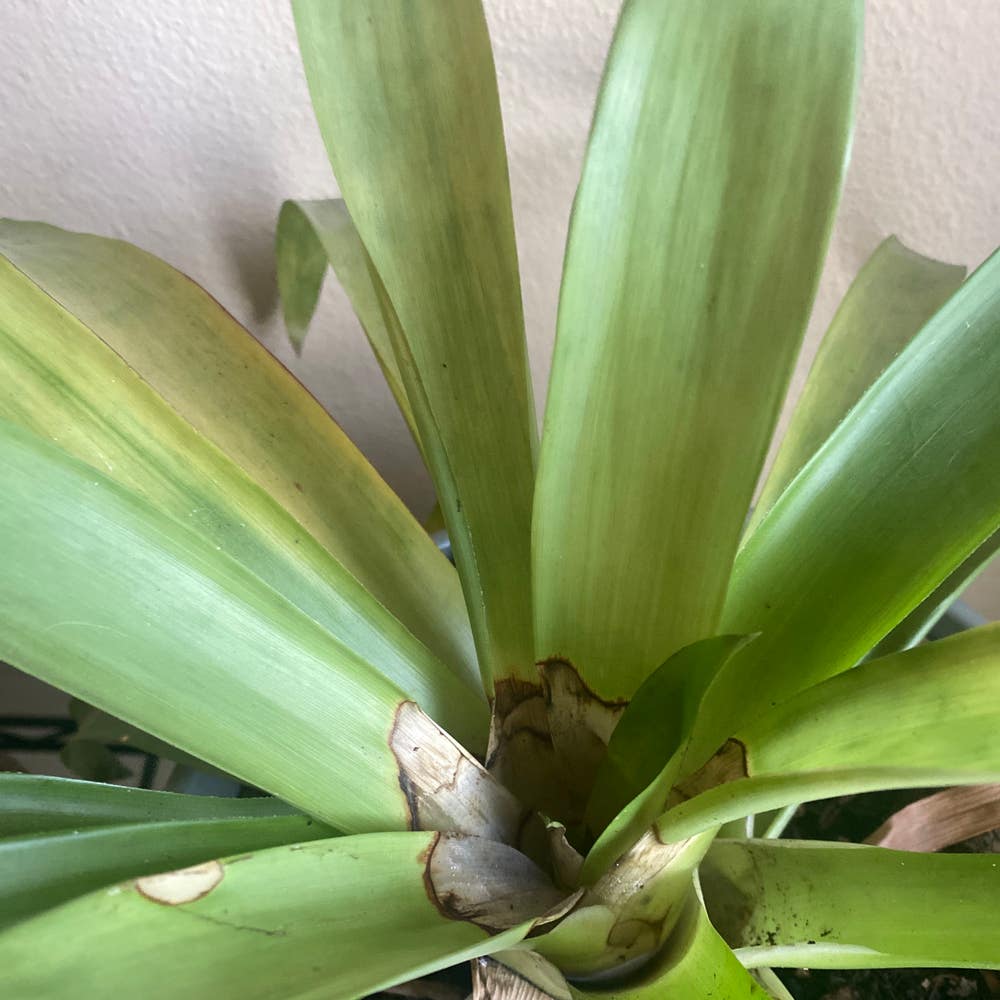
Understanding Why Neoregelia 'Fireball' May Not Flower
Neoregelia 'Fireball'
By the Greg Editorial Team
Sep 29, 2024•4 min read
This article was created with the help of AI so we can cover more plants for you. May contain errors. See one? Report it here.
Revive your Neoregelia 'Fireball' blooms 🌺 with essential care tips to overcome common flowering challenges!
- 🌞 Bright, indirect light is essential for Neoregelia 'Fireball' to bloom.
- 💧 Humidity and stable temperatures are crucial for encouraging flowering.
- 🌱 Balanced fertilizer every 4-6 weeks supports healthy blooms in Neoregelia 'Fireball'.
Failure to Bloom
🌞 Causes
Insufficient Light
Neoregelia 'Fireball' thrives in bright, indirect light. Without adequate exposure, the plant may struggle to trigger its bloom cycle.
Inadequate Nutrition
Essential nutrients play a crucial role in flower development. A lack of these nutrients can hinder the plant's ability to produce blooms.
Environmental Stress
Fluctuating humidity and temperature can create stress for Neoregelia 'Fireball'. This environmental instability can significantly impact its blooming potential.
🌱 Solutions
Adjusting Light Exposure
To encourage blooming, provide your plant with bright, indirect light for several hours each day. Consider placing it near a window with filtered sunlight.
Fertilization Tips
Use a balanced fertilizer specifically designed for bromeliads. A feeding schedule of every 4-6 weeks during the growing season can help ensure your plant receives the nutrients it needs.
Creating Optimal Humidity
Maintaining high humidity levels is vital for Neoregelia 'Fireball'. You can achieve this by misting the plant regularly or placing it on a tray filled with water and pebbles to create a humid microclimate.
With these adjustments, your Neoregelia 'Fireball' will be well on its way to blooming beautifully. Next, let’s explore the issue of premature flower drop and how to prevent it.
Premature Flower Drop
🌡️ Causes
Temperature Fluctuations
Sudden temperature changes can wreak havoc on your Neoregelia 'Fireball.' These fluctuations can stress the plant, leading to premature flower drop.
Overwatering
Excessive moisture is another culprit. Overwatering can suffocate roots and create conditions that lead to bud drop, leaving your plant looking less than its best.
Pest Infestations
Pests like mealybugs and aphids can also cause significant stress. These tiny invaders not only sap the plant's energy but can also lead to flower loss.
🛠️ Solutions
Stabilizing Temperature
To keep your plant thriving, aim for a stable temperature range between 65°F and 80°F. Avoid placing it near drafts or heat sources to minimize stress.
Proper Watering Techniques
Water your Neoregelia 'Fireball' only when the top inch of soil feels dry. This approach helps maintain appropriate moisture levels without drowning the roots.
Pest Management
Implement effective pest control strategies, such as using insecticidal soap or neem oil. Regularly inspect your plant to catch infestations early and keep it healthy.
By addressing these factors, you can help your Neoregelia 'Fireball' retain its blooms and flourish beautifully. Next, let’s explore the causes and solutions for abnormal flower development.
Abnormal Flower Development
🌱 Causes
Nutrient Imbalances
Nutrient deficiencies can significantly impact the quality of blooms in Neoregelia 'Fireball'. Look for signs like yellowing leaves or stunted growth, which may indicate a lack of essential nutrients.
Improper Pruning
Incorrect pruning techniques can hinder flower development. If you cut too much or at the wrong time, you might disrupt the plant's natural blooming cycle.
Disease
Common diseases can also affect flowering. Watch for symptoms such as wilting or discoloration, which may signal a disease that needs immediate attention.
💡 Solutions
Correcting Nutrient Deficiencies
To address nutrient imbalances, consider using a balanced fertilizer specifically designed for bromeliads. Apply it according to the package instructions, typically every 4-6 weeks during the growing season.
Pruning Techniques
Proper pruning is crucial for encouraging healthy blooms. Trim dead or damaged leaves and avoid cutting too close to the center of the plant, as this can stress it.
Disease Prevention
Maintaining plant health is key to preventing diseases. Ensure good air circulation, avoid overhead watering, and regularly inspect your plant for any signs of trouble.
By addressing these factors, you can help your Neoregelia 'Fireball' thrive and produce beautiful blooms. Next, let’s explore how pruning and maintenance can further enhance your plant's flowering potential.
Pruning and Maintenance
Pruning Techniques ✂️
When it comes to Neoregelia 'Fireball', timing is everything. Prune your plant after it finishes blooming, typically in late spring or early summer, to encourage new growth and future flowering.
Use sharp, clean scissors to remove dead or damaged leaves. This not only improves the plant's appearance but also allows more light to reach the center, promoting healthier blooms.
Proper pruning can significantly enhance flower development. By removing excess foliage, you direct the plant's energy into producing vibrant flowers rather than sustaining unnecessary leaves.
Seasonal Considerations 🌦️
Seasonal changes play a crucial role in the flowering cycle of Neoregelia 'Fireball'. During the warmer months, increased light and humidity can stimulate blooming, while cooler months may slow down growth.
Adjust your care practices throughout the year to align with these changes. For instance, increase watering and fertilization in spring and summer, while reducing them in fall and winter to prevent overwatering during dormancy.
By understanding these seasonal impacts, you can better support your plant's flowering potential. Keeping a close eye on environmental conditions will help you make timely adjustments for optimal growth.
⚠️ Safety First
This content is for general information and may contain errors, omissions, or outdated details. It is not medical, veterinary advice, or an endorsement of therapeutic claims.
Always consult a qualified healthcare professional before using any plant as food, medicine, or supplement.
Never eat any plant (or feed one to pets) without confirming its identity with at least two trusted sources.
If you suspect poisoning, call Poison Control (800) 222-1222, the Pet Poison Helpline (800) 213-6680, or your local emergency service immediately.
Spotted an error? Please report it here.
Unlock the blooming potential of your Neoregelia 'Fireball' 🌺 with Greg's tailored care tips and reminders that ensure the perfect light, nutrients, and environment for vibrant flowers!