🌞 Is Direct Sunlight Good for My Neoregelia 'Fireball'?
Neoregelia 'Fireball'
By the Greg Editorial Team
Feb 15, 2024•3 min read
This article was created with the help of AI so we can cover more plants for you. May contain errors. See one? Report it here.
Learn why mastering the right sunlight 🌞 is key to your Neoregelia 'Fireball's' vibrant health 🌿.
- 🌤️ Bright, indirect light is best; direct sunlight can harm 'Fireball'.
- 🧭 Window direction matters: East for morning light, avoid harsh south rays.
- ⏰ 4-6 hours of light daily, use sheer curtains to diffuse intense sun.
Sunlight Simplified: What Does 'Fireball' Fancy?
🌞 Direct vs. Indirect Sunlight: A Kid-Friendly Explanation
Think of direct sunlight as the spotlight in a talent show, shining straight on the performer without any filters. It's intense and can be too much for some. Indirect sunlight, however, is like the ambient light in the audience—present, noticeable, but not as harsh.
Neoregelia 'Fireball's Sunlight Preferences
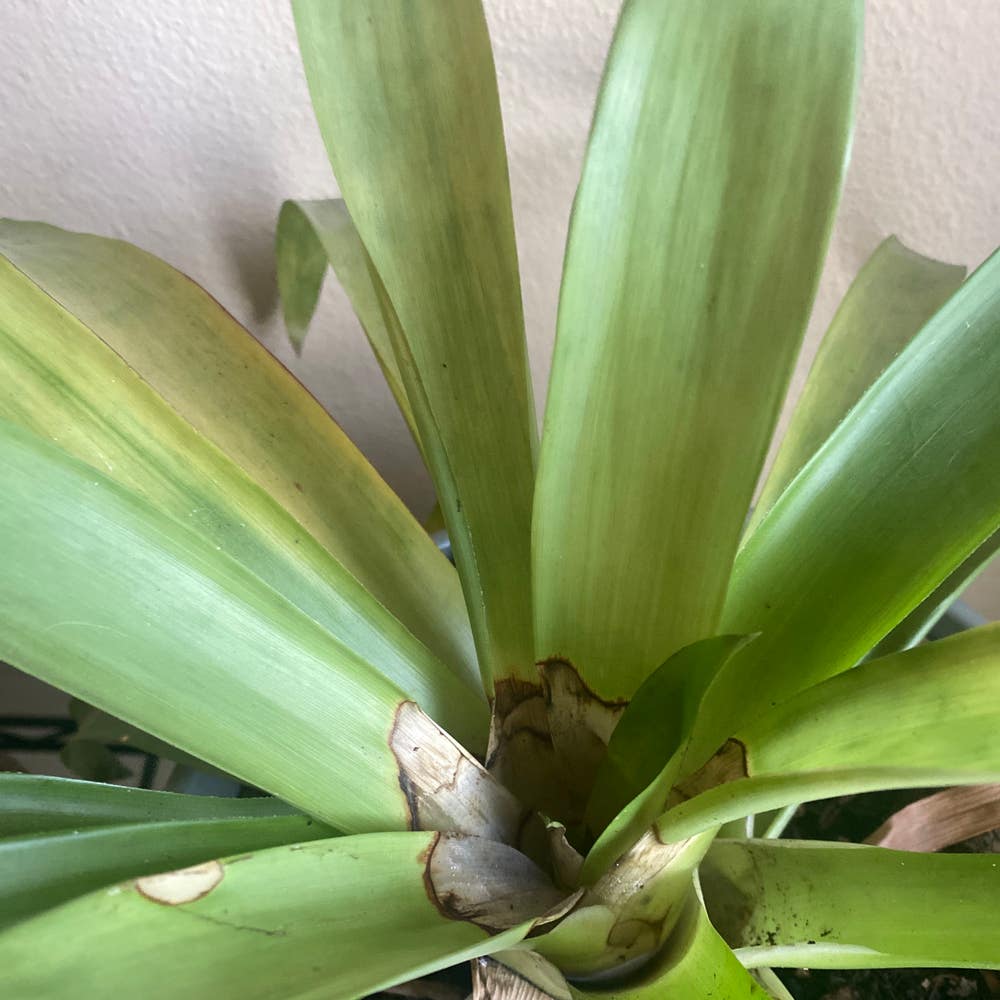
Neoregelia 'Fireball' is a bit of a diva when it comes to its spotlight. It thrives in bright, indirect light, which helps its leaves flaunt that signature fiery color. Direct sunlight? Not so much. It can handle a bit in the morning or late afternoon, but too much can lead to a sunburnt, less vibrant plant. Keep it in a spot where it can bask in the glow without the glare.
Window Wisdom: Finding the Perfect Spot for 'Fireball'
🌞 The Direction Dilemma: North, South, East, or West?
Navigating the sunlight needs of your Neoregelia 'Fireball' is like setting up a solar panel—you want maximum efficiency without the risk of a meltdown. North-facing windows are the cool kids, offering low light that's too chill for 'Fireball's' liking. South-facing windows are the life of the party, dishing out the most intense rays—great for sun-lovers, but a potential toast-fest for your 'Fireball'.
East-facing windows serve up a breakfast of gentle morning light, while west-facing ones dish out a dinner of stronger afternoon rays. Rotate your 'Fireball' to prevent it from leaning into the light like a plant version of the Leaning Tower of Pisa.
🌍 Hemisphere Highlights: Does Location Matter?
Absolutely. If you're kicking it in the Northern Hemisphere, south-facing windows are your go-to for that sweet, sweet sunlight. Flip the script to the Southern Hemisphere, and it's north-facing windows that reign supreme. Your 'Fireball' doesn't care about your view—it's all about the light.
Remember, the sun's path isn't static—it's a celestial roadshow with a changing itinerary. As seasons shift, so should your 'Fireball's' spot by the window. Keep it a few feet away to avoid the scorch, but close enough to bask in the glow. It's a delicate dance, but get it right, and your 'Fireball' will be the belle of the ball.
Section
Sunlight Strategies: Protecting Your 'Fireball'
🌞 Duration and Timing: How Long is Too Long?
Neoregelia 'Fireball' thrives with the right amount of sunlight, but too much can lead to stress. Aim for 4-6 hours of bright, indirect sunlight daily. Morning light is gentle and ideal, while the intense afternoon sun can be too harsh. During peak summer months, limit exposure to strong midday rays to prevent leaf burn.
🛡️ Shielding Strategies: Sheer Curtains and Blinds
To manage light intensity, use sheer curtains or blinds. They act like a pair of sunglasses for your 'Fireball', diffusing the strong light and providing a cozy glow. If you're dealing with a relentless sun-trap, consider UV-filtering window films. They're like giving your plant a protective layer, filtering out the harmful UV without casting it into darkness. Keep an eye on your plant; if it shows signs of distress, it's time to adjust your shielding tactics.
⚠️ Safety First
This content is for general information and may contain errors, omissions, or outdated details. It is not medical, veterinary advice, or an endorsement of therapeutic claims.
Always consult a qualified healthcare professional before using any plant as food, medicine, or supplement.
Never eat any plant (or feed one to pets) without confirming its identity with at least two trusted sources.
If you suspect poisoning, call Poison Control (800) 222-1222, the Pet Poison Helpline (800) 213-6680, or your local emergency service immediately.
Spotted an error? Please report it here.
Ensure your Neoregelia 'Fireball' flourishes with just the right amount of sunshine 🌤 by using Greg's PlantVision to monitor light levels and schedule rotations.