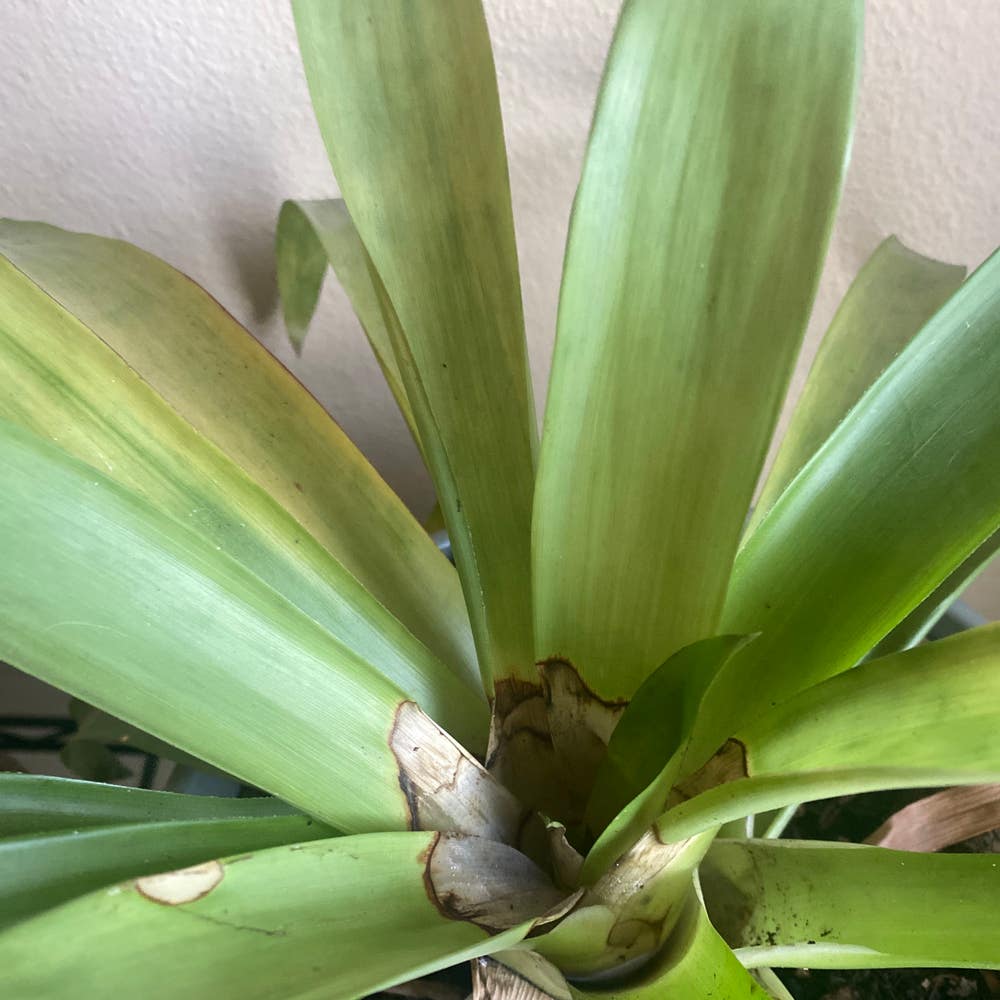
Best Potting Soil Mix for Neoregelia 'Fireball'
Neoregelia 'Fireball'
By the Greg Editorial Team
Feb 15, 2024•3 min read
This article was created with the help of AI so we can cover more plants for you. May contain errors. See one? Report it here.
Discover the secret to a flourishing Neoregelia 'Fireball' 🌺 with this definitive soil mix guide for unstoppable growth! 🌱
- Mold and overwatering are bad news for 'Fireball'—repot with fresh soil.
- DIY soil mix: peat moss, perlite, pine bark for perfect moisture and air balance.
- Choose commercial mixes with good drainage, aeration, and organic matter.
Spotting Trouble: When Your 'Fireball' Soil Goes Bad
🚫 Signs of Unhealthy Soil
🍄 Moldy Moments: Spotting Mold in the Soil
Mold in your 'Fireball' potting mix is a red flag. A fuzzy growth or a musty odor indicates excess moisture, which can harm your plant.
💧 Water Woes: Recognizing Waterlogged Conditions
Yellow leaves and a stagnant water smell are telltale signs of overwatering. Your 'Fireball' is not a fan of swamp-like conditions.
🛠 Fixing the Unfixable?
📦 The Scoop on Changing Out Moldy Soil
When mold appears, it's time for a soil intervention. Remove the plant, discard the moldy soil, and repot with a fresh, well-draining mix.
🌱 Tips for Tweaking Soil Conditions to Prevent Future Issues
Prevent mold by reducing watering and improving airflow. Ensure your pot has adequate drainage holes and consider adding perlite to the mix for better drainage.
Crafting the Perfect Home Brew: DIY Soil Mix for 'Fireball'
🌱 The Base Ingredients
Peat moss is the cornerstone of your 'Fireball' soil mix, acting as a moisture regulator and providing slight acidity that these plants crave. Perlite and pine bark are the unsung heroes, ensuring your mix doesn't turn into a swampy mess. Together, they create a trifecta of aeration, drainage, and moisture control.
🌿 Mixing It Up
- Start with peat moss, aiming for a ratio that reflects your local climate—more for arid areas, less for humid ones.
- Add perlite to keep the mix light and airy; think of it as the mix's lungs.
- Incorporate pine bark to give the roots something to cling to, promoting healthy growth.
- Mix thoroughly until you've got a uniform blend that feels like a professional potting mix, minus the price tag.
Balancing moisture and air is crucial. Your 'Fireball' doesn't want to drown nor desiccate. Aim for a mix that's damp, not wet, and fluffy, not compact. It's like creating the perfect pillow for your plant's roots—supportive yet soft enough to encourage growth.
Choosing Wisely: Picking a Commercial Soil Mix
🌱 What to Look For
When your Neoregelia 'Fireball' demands a commercial soil mix, drainage and aeration are your hill to die on. Look for a mix that's light to the touch, a sign that it won't suffocate those precious roots. Perlite or pumice should be non-negotiable ingredients listed on the bag, ensuring that your 'Fireball' won't be left drowning in moisture.
Weight is a tell; a lighter bag hints at better aeration, a crucial element for healthy growth. Organic matter, like peat moss or compost, should be present but not in excess—think of it as the seasoning, not the main course. And if you spot an organic certification, you can breathe easy about your eco-footprint.
🌵 Top Picks for 'Fireball'
Not all commercial mixes are created equal. For your 'Fireball', a Cactus Palm Citrus Mix might just be the ticket, with its tried-and-tested formula that caters to the needs of bromeliads.
Remember, while the convenience of a store-bought mix is tempting, don't let fancy packaging fool you. Resealable bags are practical, keeping the mix fresh for longer, but it's what's inside that counts. And if you're feeling adventurous, don't be afraid to tweak the mix with a personal touch—your 'Fireball' will thank you.
⚠️ Safety First
This content is for general information and may contain errors, omissions, or outdated details. It is not medical, veterinary advice, or an endorsement of therapeutic claims.
Always consult a qualified healthcare professional before using any plant as food, medicine, or supplement.
Never eat any plant (or feed one to pets) without confirming its identity with at least two trusted sources.
If you suspect poisoning, call Poison Control (800) 222-1222, the Pet Poison Helpline (800) 213-6680, or your local emergency service immediately.
Spotted an error? Please report it here.
With Greg's PlantVision technology, dodge the mold and overwatering pitfalls by crafting the ideal soil mix for your Neoregelia 'Fireball' 🌱.