What's Eating Your Malva 🐛
Malva clementii
By the Greg Editorial Team
Nov 08, 2024•5 min read
This article was created with the help of AI so we can cover more plants for you. May contain errors. See one? Report it here.
- 🌼 Malva plants attract herbivores like deer, rabbits, and squirrels, threatening their health.
- 🚫 Effective deterrents include fencing, repellents, and companion planting to protect Malva.
- 🔍 Regular monitoring for herbivore activity is crucial for maintaining Malva plant health.
Malva Characteristics
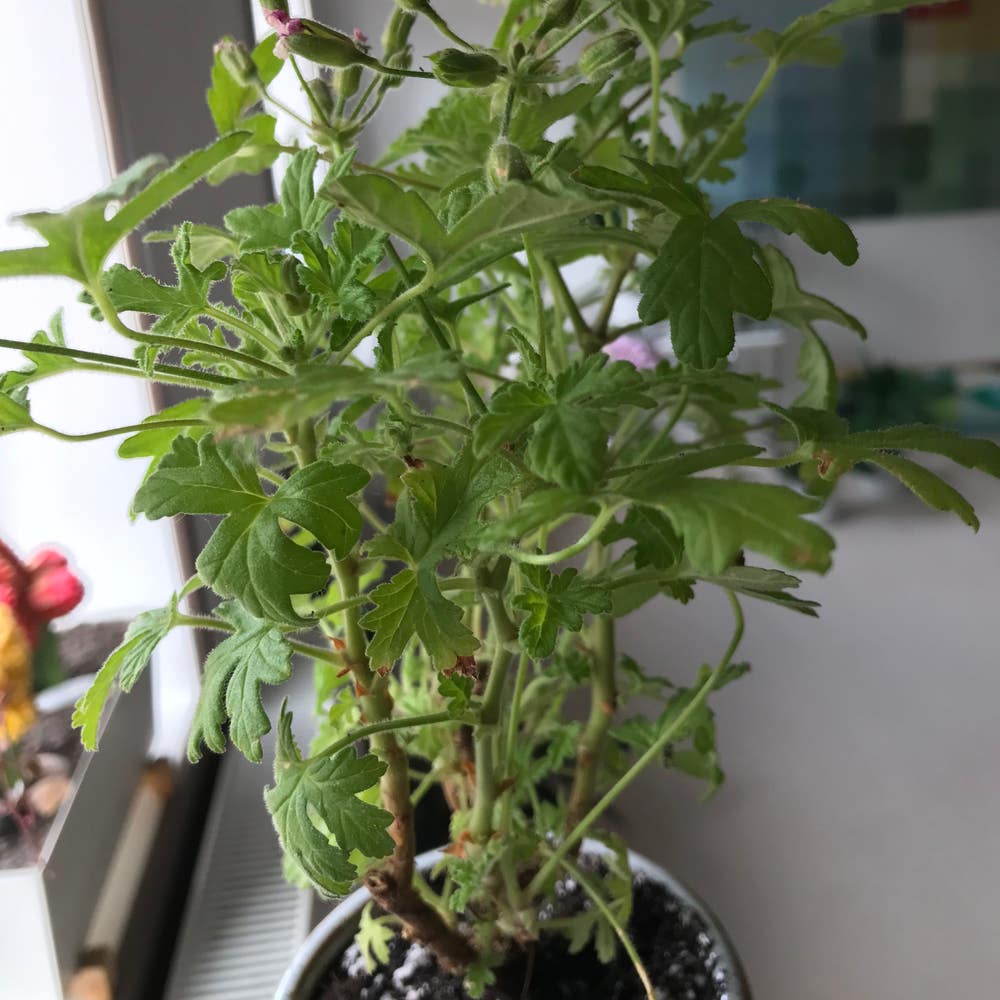
Malva, often celebrated for its beauty, comes in several common varieties, with Sylvestris and neglecta being the most notable. These plants are characterized by their soft, velvety leaves and stunning flowers that bloom in shades of purple, pink, and white.
🌟 Distinctive Features
The appeal of Malva lies not just in its flowers but also in its lush foliage. The leaves are not only attractive but also provide a rich habitat for various wildlife.
🐾 Parts Attractive to Animals
Several parts of the Malva plant attract herbivores. The fruits, nectar-rich flowers, and tender young shoots are particularly enticing, making them prime targets for hungry animals.
As you cultivate Malva, keep in mind its allure to wildlife. Understanding these characteristics can help you protect your plants from potential herbivore threats.
Common Herbivores Affecting Malva
🦌 Deer
Signs of presence and damage caused
Deer can be a significant threat to your Malva plants. Look for distinctive hoof prints in the soil and irregularly torn leaves and flowers, often nibbled at higher levels.
Beneficial vs. harmful interactions
While deer may seem harmless, they are generally harmful to young plants. Their browsing can severely damage or even kill these delicate specimens.
Deterrent methods
To keep deer at bay, consider using commercial repellents that contain putrescent egg solids. Alternatively, planting deer-resistant species nearby or using human hair and soap shavings can serve as effective organic deterrents.
🐇 Rabbits
Signs of presence and damage caused
Rabbits leave behind small, round droppings and create nibbling marks on leaves. You may also notice cleanly cut stems and leaves, often at ground level.
Beneficial vs. harmful interactions
Rabbits are generally harmful to Malva, capable of decimating young plants in no time. Their appetite can quickly turn your garden into a barren landscape.
Deterrent methods
To deter rabbits, try using bitter-tasting sprays as chemical deterrents. For a more organic approach, erect fencing that stands 2-3 feet high and plant rabbit-resistant species around your Malva.
🐿️ Squirrels
Signs of presence and damage caused
Squirrels can wreak havoc on your Malva by chewing leaves and flowers. Look for scattered debris from their digging and signs of gnawed stems or uprooted plants.
Beneficial vs. harmful interactions
These critters are generally harmful, disrupting both plant growth and aesthetics. Their playful antics can quickly turn into a nuisance.
Deterrent methods
Capsaicin-based sprays can act as effective chemical deterrents against squirrels. Additionally, installing squirrel-proof bird feeders can divert their attention away from your plants.
🐦 Birds
Signs of presence and damage caused
Birds can be both friends and foes. Look for peck marks on flowers and seed pods, which indicate their presence. This can lead to seed loss and reduced flowering.
Beneficial vs. harmful interactions
Birds have mixed interactions with Malva. While some help control pests, others may cause damage to your plants.
Deterrent methods
Non-toxic bird repellents can serve as effective chemical deterrents. For an organic solution, consider using reflective tape or scare devices to keep birds at bay.
🐭 Rodents (mice, voles, etc.)
Signs of presence and damage caused
Rodents leave small holes in the ground and droppings near your plants. Their gnawing can damage roots and stems, leading to significant plant decline.
Beneficial vs. harmful interactions
Rodents are generally harmful, causing considerable damage to your Malva. Their presence can quickly turn a thriving garden into a struggling one.
Deterrent methods
For chemical deterrents, consider using rodent bait stations. Alternatively, trapping and using natural repellents like peppermint oil can help manage their population organically.
🦡 Groundhogs/Woodchucks
Signs of presence and damage caused
Groundhogs leave large burrows near your plants and can be spotted chewing leaves and stems. Their appetite can lead to the complete removal of young plants.
Beneficial vs. harmful interactions
These animals are generally harmful and can devastate garden areas. Their voracious eating habits make them a significant threat to your Malva.
Deterrent methods
Commercial repellents containing predator urine can act as effective chemical deterrents. For a more organic approach, install fencing that stands 3-4 feet high with buried edges and consider planting deterrent plants nearby.
As you navigate the challenges posed by these herbivores, remember that proactive measures can significantly enhance the health of your Malva. In the next section, we’ll explore strategies for protecting your plants from these persistent threats.
Strategies for Protecting Malva
🛡️ Preventive Measures for Herbivore Damage
To keep your Malva thriving, regular monitoring for signs of animal activity is essential. Look for tracks, droppings, or any nibbling marks that indicate herbivores are nearby.
Companion planting with deterrent species can also be a game-changer. By surrounding your Malva with plants that herbivores dislike, you create a natural barrier that can help protect your prized flowers.
⚠️ Reactive Solutions for Managing Animal Interactions
If you notice damage, act quickly by removing the affected parts. This not only helps the plant recover but also discourages further browsing by signaling to animals that the plant is unhealthy.
Using barriers and traps can provide immediate protection. Fencing or netting can keep larger herbivores at bay, while traps can help manage smaller pests effectively.
🌱 Seasonal Considerations
Be aware that herbivore activity tends to spike in spring and early summer. During these growth phases, young shoots and flowers are particularly vulnerable, making vigilance crucial.
By understanding these seasonal patterns, you can better prepare your garden and implement protective measures when they are needed most.
With these strategies in place, you can enjoy a flourishing Malva garden, free from the ravages of hungry herbivores. Next, let’s explore the common herbivores that might be targeting your Malva.
⚠️ Safety First
This content is for general information and may contain errors, omissions, or outdated details. It is not medical, veterinary advice, or an endorsement of therapeutic claims.
Always consult a qualified healthcare professional before using any plant as food, medicine, or supplement.
Never eat any plant (or feed one to pets) without confirming its identity with at least two trusted sources.
If you suspect poisoning, call Poison Control (800) 222-1222, the Pet Poison Helpline (800) 213-6680, or your local emergency service immediately.
Spotted an error? Please report it here.
Keep your Malva plants thriving 🌼 by using Greg's personalized care tips and reminders to fend off pesky herbivores and ensure a vibrant garden!