🌼 Why Malva Is Not an Annual
Malva clementii
By the Greg Editorial Team
Nov 08, 2024•6 min read
This article was created with the help of AI so we can cover more plants for you. May contain errors. See one? Report it here.
- 🌼 Malva is a perennial, thriving for years unlike short-lived annuals.
- 🌱 Deep roots help Malva access nutrients, ensuring survival in dry conditions.
- 🌍 Malva's adaptability allows it to flourish in various climates, enhancing garden beauty.
Malva's Perennial Nature
🌱 Genetic Characteristics
Malva's chromosomal structure is uniquely adapted for perennial growth. This genetic makeup allows it to thrive year after year, unlike annual plants that complete their lifecycle in a single season.
Genetic diversity among Malva species enhances their resilience and adaptability. This variation enables them to survive in a range of environments, making them a robust choice for gardeners.
🌿 Physiological Traits Supporting Perennial Growth
The root system of Malva is deep and extensive, allowing it to access nutrients and water from the soil effectively. This adaptation is crucial for its survival, especially during dry spells.
Additionally, Malva's leaf structure is optimized for photosynthesis across multiple seasons. This trait supports sustained growth and energy production, vital for a perennial plant.
⏳ Long-Term Lifecycle
Malva undergoes distinct growth phases, including vegetative growth, flowering, and dormancy. Each phase plays a critical role in its overall lifecycle, ensuring it can thrive year after year.
Typically, Malva species have a long lifespan, often living several years in various environments. This longevity makes them a valuable addition to any garden, providing beauty and stability over time.
As we explore further, we'll delve into the growth and reproductive strategies that make Malva a standout perennial.
Growth and Reproductive Strategies
🌱 Growth Patterns Compared to Annuals
Malva exhibits a slower establishment phase compared to annual plants. This initial growth period allows it to develop a robust root system, which is crucial for its long-term survival.
As the seasons progress, Malva showcases distinct patterns of vegetative and reproductive growth. During the growing season, it focuses on leaf production and energy accumulation, setting the stage for flowering later on.
🌼 Flowering Cycles
The timing of flowering in Malva varies across different species. Some may bloom early in the season, while others wait until mid-summer, adapting to their specific environments.
In terms of duration, Malva's flowering season often extends longer than that of annuals. This extended blooming period not only enhances garden aesthetics but also supports local pollinators throughout the growing season.
🌾 Seed Production and Dispersal Methods
Malva employs self-seeding as a key survival strategy. This mechanism allows it to produce seeds that can germinate in the same location, ensuring a continuous presence in the garden.
Additionally, Malva can spread through vegetative propagation. This method enables the plant to expand its reach, creating new growth from existing roots or stems, further solidifying its role as a perennial favorite in garden design.
With its unique growth and reproductive strategies, Malva stands out as a resilient perennial. Next, we will explore the regional variations and common misconceptions surrounding this remarkable plant.
Regional Variations and Misconceptions
🌱 Conditions Where Malva May Be Treated as an Annual
In harsh climates, Malva can struggle to thrive, leading gardeners to mistakenly treat it as an annual. Extreme temperatures and unpredictable weather can stunt its growth, making it appear less resilient than it truly is.
Poor soil conditions also play a significant role in this misclassification. When the soil lacks essential nutrients or has poor drainage, Malva may not reach its full potential, prompting gardeners to assume it cannot survive beyond a single season.
🤔 Common Misconceptions About Lifecycle
One common misunderstanding about Malva is its growth habits. Many people fail to recognize that its perennial nature can be masked by environmental stressors, leading to the belief that it is an annual plant.
This perception is often fueled by the plant's sporadic performance in less-than-ideal conditions. When Malva doesn't flourish, it reinforces the idea that it can't survive long-term, despite its inherent resilience.
🌍 Variations Among Different Species
Different Malva species exhibit unique adaptations that influence their behavior in various climates. For instance, some species are more drought-resistant, while others thrive in wetter environments, showcasing their versatility.
Notable varieties include Malva sylvestris, known for its striking purple flowers, and Malva neglecta, which is often found in meadows. Each species brings its own charm and resilience, contributing to the rich diversity of Malva in gardens worldwide.
Understanding these regional variations and misconceptions can help gardeners appreciate Malva's true nature. By recognizing its perennial potential, you can make informed decisions that enhance your garden's beauty and sustainability.
As we delve deeper into garden design and planting strategies, let's explore how to maximize Malva's impact in your landscape.
Garden Design and Planting Strategies
🌼 Advantages of Using Malva in Perennial Gardens
Planting Malva in your garden is a long-term investment that pays off beautifully. As a perennial, it returns year after year, providing consistent blooms and vibrant foliage that enhance your garden's aesthetic.
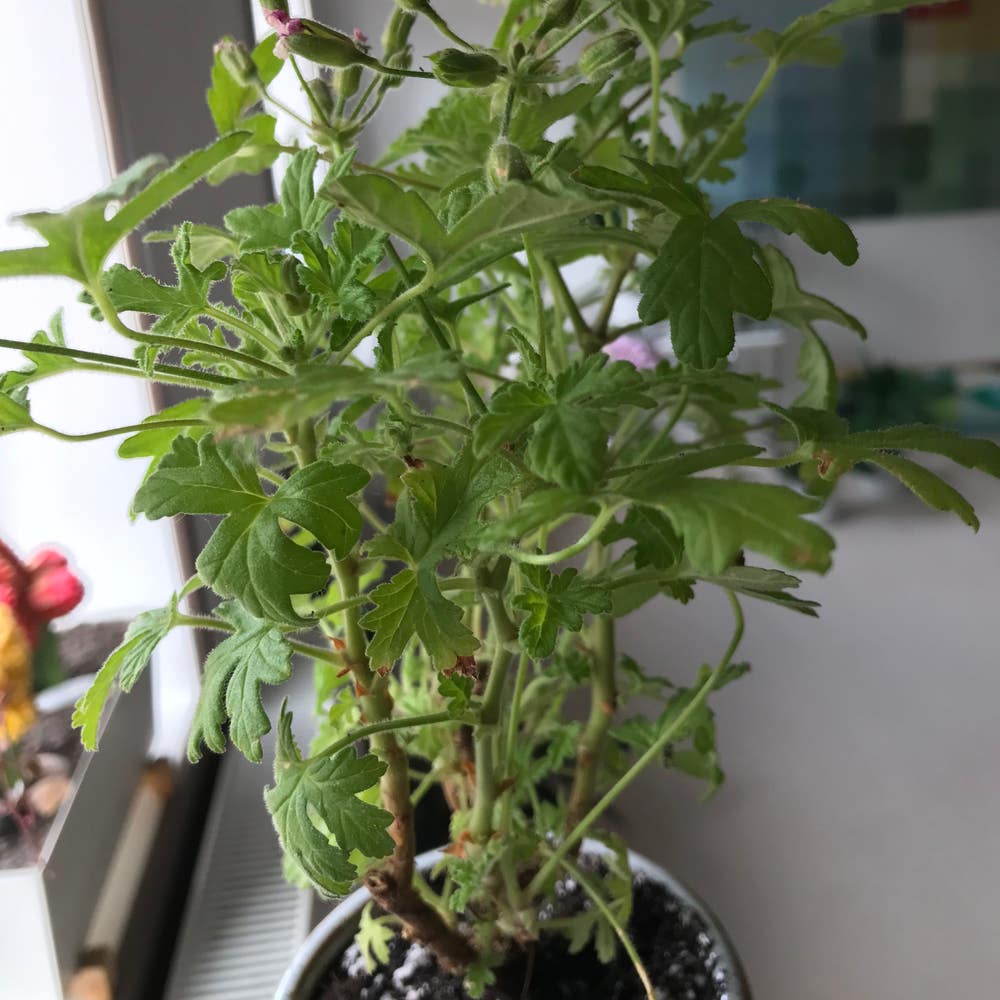
The visual impact of Malva is striking. With its lush green leaves and colorful flowers, it adds texture and depth, making it a standout choice for any garden design.
🗺️ Planning Garden Layouts
When planning your garden layout, consider the spacing and placement of Malva. Optimal arrangements allow for air circulation and sunlight, promoting healthy growth and preventing overcrowding.
Malva also contributes to seasonal interest. Its flowering periods can bring color to your garden throughout the growing season, ensuring there's always something to admire.
🌱 Companion Planting
Companion planting with Malva can lead to a thriving garden ecosystem. Pair it with plants like lavender or echinacea, which not only complement its beauty but also share similar growing conditions.
Additionally, Malva plays a role in pest management. Its presence can attract beneficial insects, helping to keep harmful pests at bay and supporting a healthier garden environment.
Incorporating Malva into your garden design not only enhances its beauty but also fosters a sustainable and vibrant ecosystem. As you plan your garden, consider how these strategies can maximize the potential of your perennial plants.
Maximizing Longevity of Malva
🌱 Tips for Managing as a Perennial
To keep your Malva thriving, proper pruning is essential. Regularly trim back spent flowers and any dead or damaged stems to encourage new growth and prolong the flowering period.
Fertilization also plays a crucial role in maintaining health. Use a balanced fertilizer during the growing season to provide the necessary nutrients that support robust growth and vibrant blooms.
☀️ Best Practices for Maintaining in Various Climates
Different climates require tailored care for Malva. In cooler regions, ensure that plants are protected from frost, while in warmer areas, provide some shade during the hottest parts of the day.
Watering strategies are equally important. Ensure consistent moisture, especially during dry spells, but avoid waterlogging, which can lead to root rot.
🍂 Seasonal Considerations for Care
Spring is the time to prepare your Malva for growth. Clear away any debris and check for signs of new shoots, which indicates that your plants are ready to thrive.
As fall approaches, focus on preparing your Malva for dormancy. Cut back the foliage and apply mulch to protect the roots during winter, ensuring a healthy resurgence in the spring.
By following these tips, you can maximize the longevity of your Malva and enjoy its beauty for many seasons to come. Next, we’ll explore the advantages of using Malva in perennial gardens, highlighting its long-term benefits and aesthetic appeal.
⚠️ Safety First
This content is for general information and may contain errors, omissions, or outdated details. It is not medical, veterinary advice, or an endorsement of therapeutic claims.
Always consult a qualified healthcare professional before using any plant as food, medicine, or supplement.
Never eat any plant (or feed one to pets) without confirming its identity with at least two trusted sources.
If you suspect poisoning, call Poison Control (800) 222-1222, the Pet Poison Helpline (800) 213-6680, or your local emergency service immediately.
Spotted an error? Please report it here.
Embrace the beauty of Malva as a resilient perennial 🌱 that enhances your garden, and let Greg guide you with tailored care tips to ensure it flourishes year after year!