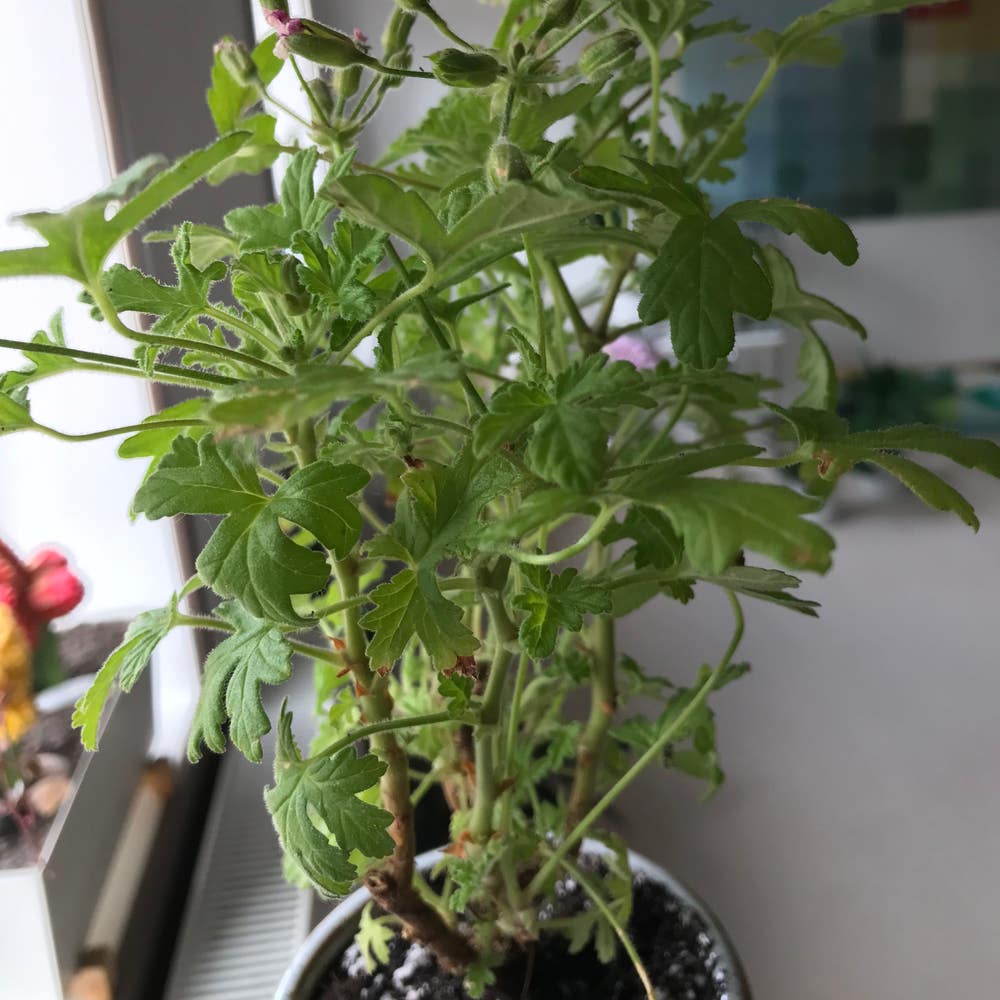
Malva: A Perennial Plant
Malva clementii
By the Greg Editorial Team
Nov 08, 2024•7 min read
This article was created with the help of AI so we can cover more plants for you. May contain errors. See one? Report it here.
- 🌱 Malva is a resilient perennial, thriving for 3-5 years with proper care.
- 🌼 Optimal growth occurs in spring, leading to vibrant summer blooms.
- 🌍 Malva adapts to various climates, making it versatile for diverse gardens.
Characteristics of Malva as a Perennial
🌱 Multi-Year Lifecycle
Malva plants exhibit a fascinating multi-year lifecycle that unfolds in distinct stages. It begins with germination, where seeds sprout in the warmth of spring, followed by vigorous growth as the plant establishes itself.
As the season progresses, Malva transitions into its flowering phase, showcasing vibrant blooms that attract pollinators. Eventually, the plant enters dormancy during the colder months, conserving energy for the next cycle.
📅 Timeline of Growth
The growth timeline of Malva is a beautiful dance with the seasons. In spring, you’ll see the first signs of life as the plant emerges from its winter slumber.
By summer, Malva is in full bloom, displaying its colorful flowers. As autumn approaches, the plant prepares for dormancy, resting through the winter months until it’s ready to start the cycle anew.
🌿 Growth Patterns and Regrowth
Malva's robust root system plays a crucial role in its ability to regrow each year. These strong roots not only anchor the plant but also store nutrients and moisture, allowing it to thrive even in less-than-ideal conditions.
Throughout the growing season, Malva develops lush foliage and an abundance of flowers. This seasonal growth pattern ensures that the plant remains vibrant and healthy, ready to face the challenges of each new year.
In summary, understanding the characteristics of Malva as a perennial helps gardeners appreciate its resilience and beauty. With its multi-year lifecycle and strong growth patterns, Malva is a rewarding addition to any garden.
Next, we’ll explore the dormancy and seasonal changes that affect Malva's growth.
Dormancy and Seasonal Changes
Dormancy Periods 🌙
Malva enters a state of dormancy primarily during the winter months. This natural process occurs as temperatures drop and daylight hours shorten, signaling the plant to conserve energy and resources.
Typically, Malva remains dormant for about three to four months. During this time, the plant's growth halts, allowing it to survive harsh conditions until the warmth of spring returns.
Seasonal Changes Affecting Growth 🌱
Temperature and light play crucial roles in Malva's growth cycle. As spring approaches, increasing temperatures and longer days trigger the plant to awaken from dormancy, initiating new growth.
The flowering period for Malva usually peaks in late spring to early summer. Optimal conditions, such as adequate sunlight and moderate moisture, significantly enhance blooming, showcasing the plant's vibrant flowers.
Understanding these seasonal changes helps gardeners anticipate Malva's needs and maximize its growth potential. With the right care, your Malva can thrive and bring beauty to your garden year after year.
Advantages of Malva's Perennial Nature
🌱 Benefits of Reduced Replanting
One of the standout features of Malva is its perennial nature, which significantly reduces the need for annual replanting. This means once you plant Malva, you can enjoy its beauty year after year without the hassle of starting from scratch.
This longevity translates into both cost-effectiveness and time savings for gardeners. You invest less in seeds and plants, allowing you to focus on nurturing your garden rather than constantly replanting.
🌳 Established Root Systems
Malva boasts a robust root system that offers numerous benefits, including drought resistance and efficient nutrient uptake. These established roots anchor the plant firmly, providing stability even in challenging weather conditions.
Moreover, a healthy root system contributes to the overall vigor of Malva. It ensures the plant can thrive, producing lush foliage and vibrant flowers season after season, making it a reliable choice for any garden enthusiast.
In summary, the advantages of Malva's perennial nature not only simplify gardening but also enhance the plant's resilience and beauty. As we explore the next section, we'll dive into the lifespan and longevity of Malva, uncovering what makes this plant a lasting treasure in your garden.
Lifespan and Longevity
🕰️ Expected Lifespan
Malva plants typically enjoy a lifespan of 3 to 5 years under optimal conditions. However, some species can thrive for over a decade, showcasing their resilience and adaptability.
📊 Variability in Lifespan
The longevity of Malva can vary significantly based on species and environmental factors. For instance, Malva sylvestris may outlast other varieties in favorable climates, while harsh conditions can shorten their lifespan.
🌱 Factors Influencing Longevity
Environmental factors play a crucial role in determining how long Malva will flourish. Key elements include:
- Soil Quality: Rich, well-draining soil promotes healthier growth.
- Water Availability: Consistent moisture is essential, but overwatering can lead to root rot.
- Climate Conditions: Temperature extremes can stress the plant, affecting its lifespan.
🛠️ Care Practices
Proper maintenance can significantly extend the life of your Malva plants. Regular pruning, pest management, and appropriate fertilization contribute to their overall health and vigor.
By understanding these factors, gardeners can create an environment that supports the longevity of Malva, ensuring vibrant blooms for years to come.
As we explore the variations of Malva across different climate zones, we’ll see how these plants adapt to thrive in diverse conditions.
Variations Across Climate Zones
🌦️ Impact of Climate on Behavior
Climate plays a crucial role in shaping the growth and dormancy patterns of Malva. In warmer regions, Malva can thrive year-round, while in cooler climates, it may enter dormancy during the winter months.
Different species of Malva exhibit unique adaptations to their environments. For instance, Malva sylvestris flourishes in temperate zones, while Malva neglecta is often found in more arid conditions, showcasing the plant's versatility.
🌱 Adaptations to Growing Conditions
Malva is remarkably adaptable, adjusting to various soil types, moisture levels, and temperatures. Whether in sandy, loamy, or clay soils, Malva can establish itself, provided the conditions are right.
Specific varieties of Malva are suited for different climates. For example, Malva moschata thrives in cooler, moist areas, while Malva parviflora is more drought-resistant, making it ideal for dry, sunny locations. Understanding these adaptations can help gardeners select the right Malva for their specific climate.
As we explore the advantages of Malva's perennial nature, it's essential to consider how these climate variations influence garden planning and plant care.
Maximizing Perennial Benefits
🌱 Tips for Garden Planning
When planning your garden, consider the strategic placement of Malva. These plants thrive in full sun, so choose a location that receives at least six hours of sunlight daily.
Spacing is crucial for healthy growth. Ensure that Malva plants are spaced adequately to allow for air circulation, which helps prevent diseases and promotes robust flowering.
Companion planting can enhance the growth of Malva. Pairing them with other perennials or herbs can create a vibrant ecosystem, attracting beneficial insects and improving overall garden health.
Timing your planting and propagation is essential for maximizing growth. Early spring is the ideal time to sow seeds or transplant seedlings, allowing them to establish before the summer heat.
🌿 Long-Term Cultivation Strategies
Maintaining healthy Malva plants over the years requires consistent care. Regular watering during dry spells and mulching can help retain soil moisture and suppress weeds.
Seasonal care is vital for supporting growth and flowering cycles. In spring, apply a balanced fertilizer to encourage lush foliage and abundant blooms.
Monitor for pests and diseases throughout the growing season. Early detection and intervention can prevent minor issues from becoming significant problems.
Finally, consider pruning spent flowers to encourage a second bloom. This simple act can extend the flowering period and keep your garden looking vibrant.
With these tips, you can enjoy the many benefits of Malva's perennial nature while creating a thriving garden space. Transitioning to the next topic, let's explore the lifespan and longevity of these resilient plants.
⚠️ Safety First
This content is for general information and may contain errors, omissions, or outdated details. It is not medical, veterinary advice, or an endorsement of therapeutic claims.
Always consult a qualified healthcare professional before using any plant as food, medicine, or supplement.
Never eat any plant (or feed one to pets) without confirming its identity with at least two trusted sources.
If you suspect poisoning, call Poison Control (800) 222-1222, the Pet Poison Helpline (800) 213-6680, or your local emergency service immediately.
Spotted an error? Please report it here.
Celebrate the vibrant blooms of Malva 🌼 year after year with Greg's tailored care tips and reminders to help your plants flourish through every season!