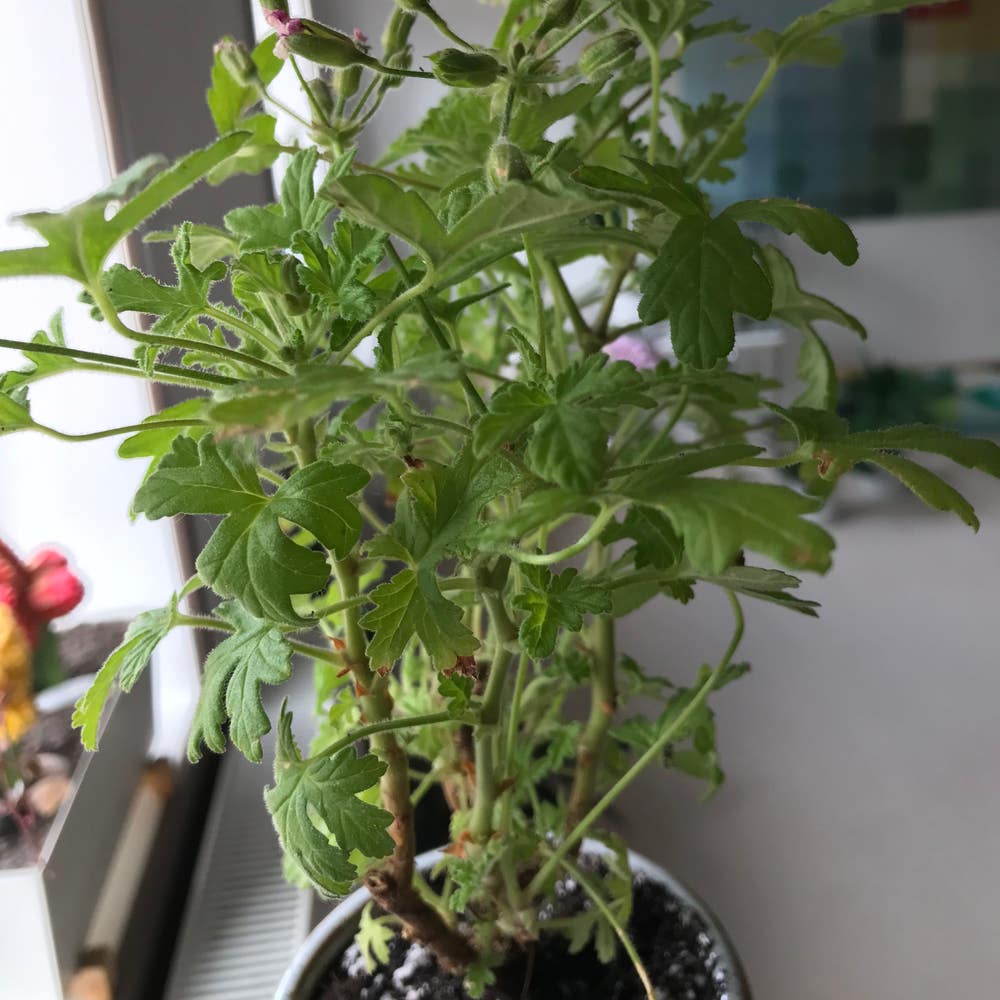
🍃 Understanding Curling Leaves on Your Malva
Malva clementii
By the Greg Editorial Team
Nov 08, 2024•7 min read
This article was created with the help of AI so we can cover more plants for you. May contain errors. See one? Report it here.
- 🌱 Leaf curling in Malva stems from stress, pests, or nutrient deficiencies.
- 🌡️ Ideal conditions: 18-24°C temperature and 40-60% humidity for healthy growth.
- 🐛 Control pests like aphids and spider mites with insecticidal soap and monitoring.
Common Causes of Leaf Curling
🌪️ Environmental Stress
Temperature fluctuations can wreak havoc on your Malva. The ideal temperature range is between 18°C to 24°C (65°F to 75°F). When temperatures stray too far from this range, you may notice symptoms like curling leaves and wilting.
Humidity levels also play a crucial role in leaf health. Malva thrives in humidity levels of 40% to 60%. Low humidity can lead to curling leaves and browning tips, signaling that your plant is stressed.
🥦 Nutrient Deficiencies
Nutrient deficiencies can significantly impact your Malva's vitality. A nitrogen deficiency often manifests as yellowing leaves, stunted growth, and curling. To remedy this, apply a balanced fertilizer high in nitrogen.
Potassium deficiency is another concern, showing up as marginal leaf curling and browning edges. The solution here is straightforward: use a potassium-rich fertilizer to restore balance.
💧 Watering Issues
Watering practices are critical in preventing leaf curl. Overwatering is a common mistake, leading to yellowing leaves, root rot, and, of course, leaf curl. To combat this, allow the soil to dry out between waterings.
On the flip side, underwatering can also cause problems. Signs include wilting and dry leaf edges, which can lead to curling. The fix is simple: water thoroughly when the top inch of soil is dry.
Understanding these common causes of leaf curling will help you keep your Malva healthy and thriving. Next, let’s explore the pests that can affect your plant’s leaves.
Pests Affecting Malva Leaves
🐜 Aphids
Aphids are small, green or black insects that often hide on the undersides of leaves. They can cause significant damage by distorting leaves and leaving a sticky residue known as honeydew.
To control aphids, consider using insecticidal soap or introducing natural predators like ladybugs. These methods can effectively reduce their population and protect your Malva.
🕷️ Spider Mites
Spider mites are notorious for their fine webbing on leaves and tiny red or yellow spots. Their feeding can lead to leaf discoloration, curling, and even eventual leaf drop if not addressed promptly.
Increasing humidity around your plants can deter spider mites, along with the application of miticides. Keeping the environment moist helps create unfavorable conditions for these pests.
🦋 Whiteflies
Whiteflies are tiny, white insects that take flight when you disturb the plant. They can cause yellowing leaves and reduced vigor, making your Malva look unhealthy.
To manage whiteflies, use yellow sticky traps to catch them or apply insecticidal soap. These methods can help keep their numbers in check and promote healthier growth.
Understanding these pests and their control methods is crucial for maintaining the health of your Malva. By staying vigilant and proactive, you can prevent infestations and ensure your plants thrive.
Diseases That Cause Leaf Curling
🦠 Fungal Infections
Fungal infections can wreak havoc on your Malva, with powdery mildew and leaf spot being the most common culprits. You’ll recognize powdery mildew by its white, powdery coating on leaves, while leaf spot manifests as dark spots that can lead to further leaf damage.
To combat these issues, apply fungicides according to the label instructions. Additionally, improving air circulation around your plants can help prevent these fungal infections from taking hold.
🦠 Viral Infections
Viral infections present a different set of challenges. Symptoms include leaf curling, mottled coloration, and stunted growth, which can be particularly disheartening for any gardener.
These viruses are often spread by pests like aphids, making early detection crucial. If you notice any infected plants, it's best to remove them immediately to prevent the virus from spreading to your healthy plants.
Understanding these diseases is key to maintaining the health of your Malva. With the right care and attention, you can keep your plants thriving and vibrant.
Next, we’ll dive into how to diagnose leaf curl issues effectively.
Diagnosing Leaf Curl Issues
Diagnosing leaf curl issues on your Malva is crucial for restoring its health. A systematic approach can help you identify the root cause effectively.
🕵️♂️ Step-by-Step Diagnosis Process
Observing Environmental Conditions
Start by checking the temperature and humidity levels. Malva thrives in a range of 18°C to 24°C (65°F to 75°F) and prefers humidity between 40% and 60%.Checking for Pests
Inspect the leaves and stems closely using a magnifying glass. Look for any signs of pests that could be causing the curling.Analyzing Soil Moisture and Nutrient Levels
Utilize a soil moisture meter to determine if your watering practices are adequate. Testing the soil for nutrient deficiencies can also reveal if your Malva is lacking essential elements.
🛠️ Tools for Diagnosis
Magnifying Glass
This handy tool allows for detailed inspection of leaves and stems, helping you spot pests that are otherwise hard to see.Soil Moisture Meter
A soil moisture meter is essential for accurately assessing moisture levels in the soil. This will guide your watering schedule and help prevent over or underwatering.
By following these steps and utilizing the right tools, you can effectively diagnose the issues causing leaf curl in your Malva. This proactive approach not only helps in addressing current problems but also sets the stage for healthier growth moving forward.
Next, we will explore treatment options for the curling leaves on your Malva, ensuring you have the right solutions at hand.
Treating Curling Leaves on Malva
🐛 Treatment Options for Pests
Dealing with pests on your Malva is crucial for maintaining healthy leaves. Organic insecticides are an effective choice; simply spray them directly on the affected areas.
For best results, apply these treatments every 7-14 days until you notice a significant reduction in pest activity.
Another excellent option is neem oil. Mix 1-2 tablespoons of neem oil per gallon of water and apply it early in the morning or late in the evening to prevent leaf burn from the sun.
🦠 Treatment Options for Diseases
Fungal infections can wreak havoc on your Malva, leading to curling leaves. Using fungicides is essential; always follow the label instructions for proper dosage and application frequency.
Additionally, promptly remove any infected leaves as soon as you notice symptoms. This helps prevent the spread of disease to healthy parts of the plant.
🔧 Adjusting Care Practices
To support your Malva's recovery, consider adjusting your care practices. Start by modifying your watering schedule. Water when the top inch of soil feels dry, ensuring you provide deep watering to encourage robust root growth.
For nutrient deficiencies, use a balanced NPK fertilizer. Apply it every 4-6 weeks during the growing season to keep your Malva thriving.
By implementing these treatment options and care adjustments, you'll be well on your way to restoring your Malva's health and preventing future leaf curling. Next, let’s explore how to prevent leaf curl in Malva altogether.
Preventing Leaf Curl in Malva
🌱 Best Practices for Malva Care
To keep your Malva thriving, start with the right growing conditions. Aim for full sun to partial shade, providing 6 to 8 hours of light daily.
Temperature is crucial too; maintain it within the ideal range of 18°C to 24°C (65°F to 75°F).
Regular monitoring is essential for pest and disease prevention. Conduct weekly inspections to catch any issues early.
🌿 Soil and Watering Recommendations
Choosing the right soil mix is vital for healthy growth. Opt for well-draining, fertile loam that allows roots to breathe.
The ideal pH level for Malva is between 6.0 and 7.0. This range ensures your plant can absorb nutrients effectively.
When it comes to watering, deep watering is key. This technique encourages strong root systems and helps prevent leaf curl.
🍂 Seasonal Care Adjustments
As seasons change, so should your care routine. Adjust your watering frequency based on temperature and rainfall to meet your plant's needs.
Mulching is another effective strategy. It helps retain soil moisture and regulates temperature, creating a stable environment for your Malva.
By following these best practices, you can significantly reduce the risk of leaf curling and ensure your Malva remains healthy and vibrant. Next, let’s explore the various pests that can affect your Malva leaves and how to manage them effectively.
⚠️ Safety First
This content is for general information and may contain errors, omissions, or outdated details. It is not medical, veterinary advice, or an endorsement of therapeutic claims.
Always consult a qualified healthcare professional before using any plant as food, medicine, or supplement.
Never eat any plant (or feed one to pets) without confirming its identity with at least two trusted sources.
If you suspect poisoning, call Poison Control (800) 222-1222, the Pet Poison Helpline (800) 213-6680, or your local emergency service immediately.
Spotted an error? Please report it here.
Keep your Malva thriving 🌿 by using Greg's tailored care tips and reminders to tackle leaf curling and create the perfect growing environment!