🌼 Growth Rate of Malva
Malva clementii
By the Greg Editorial Team
Nov 08, 2024•7 min read
This article was created with the help of AI so we can cover more plants for you. May contain errors. See one? Report it here.
- 🌱 Malva seeds germinate in 7-14 days with optimal conditions for growth.
- 🌞 Ideal temperature for germination is 18°C to 24°C (65°F to 75°F).
- 🌼 Malva blooms 6-8 weeks post-germination, attracting pollinators and enhancing seed production.
Germination Stage
🌱 Duration of Germination
The germination period for Malva typically spans 7 to 14 days. This timeframe can vary based on several factors, including temperature, moisture levels, and the viability of the seeds.
🌿 Conditions for Successful Germination
To ensure successful germination, several conditions must be met:
🌡️ Optimal Temperature
Malva seeds thrive in an optimal temperature range of 18°C to 24°C (65°F to 75°F). Maintaining this temperature is crucial for encouraging seed sprouting.
🏵️ Soil Requirements
The soil should be well-draining and nutrient-rich. This combination supports healthy root development and prevents waterlogging, which can hinder germination.
💧 Moisture Levels
Consistent moisture is key, but it's important to avoid waterlogging. The seeds need a damp environment to germinate effectively without drowning.
💡 Light Exposure
Light requirements can vary among Malva species. Some may need light to germinate, while others can sprout in darkness. Understanding the specific needs of your chosen variety is essential for successful growth.
By providing the right conditions, you can set the stage for healthy Malva plants. This foundational stage is critical, as it influences the plant's overall growth trajectory.
Next, we will explore the Seedling Stage, where the young plants begin to establish themselves.
Seedling Stage
⏳ Duration of Seedling Growth
The seedling stage of Malva typically lasts about 2 to 4 weeks. This duration can vary based on environmental conditions and the care practices you implement.
🌱 Characteristics of Seedlings
In the early stages, seedlings display cotyledons, which are the first leaves, followed by the emergence of true leaves. They grow upright, establishing a developing root system that is crucial for their stability.
Seedlings are particularly vulnerable to environmental stressors. Protecting them from extreme temperatures and pests is essential for healthy growth.
As you nurture your Malva seedlings, keep an eye on their development. This stage is a critical foundation for the plant's future growth and flowering.
With proper care, your seedlings will transition smoothly into the vegetative growth stage, setting the stage for vibrant blooms ahead.
Vegetative Growth Stage
⏳ Duration of Vegetative Growth
The vegetative growth stage of Malva typically lasts between 4 to 8 weeks. This duration can vary based on species and environmental conditions, making it essential to monitor growth closely.
Several factors influence how long this stage lasts. Light availability, water supply, and nutrient levels play crucial roles in determining the speed of growth.
🌱 Changes in Plant Structure and Health
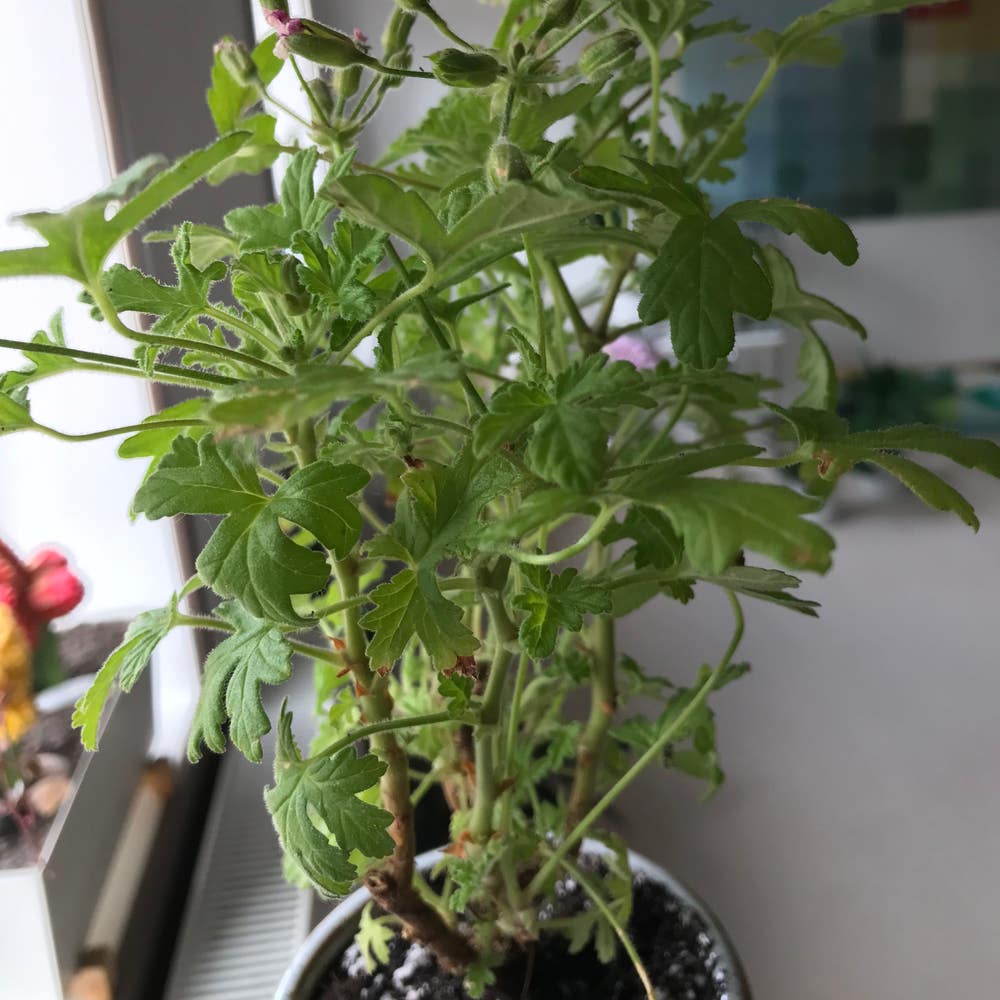
During this stage, Malva plants develop mature leaves that are larger and more lobed than the initial seedlings. This leaf development is a sign of healthy growth and adaptation to their environment.
As the plants mature, you'll notice stem thickening and an increase in height. Some species may grow upright, while others tend to spread out, showcasing their unique growth habits.
Overall health indicators are vital during this phase. Look for vibrant green leaves and robust growth patterns, which signal that your Malva is thriving and ready for the next stages of its life cycle.
As we transition to the flowering stage, understanding these growth dynamics will help you appreciate the beauty and complexity of Malva's development.
Flowering Stage
🌼 Duration of Flowering
The flowering stage of Malva typically kicks off around 6 to 8 weeks after germination. This vibrant period can last several weeks, with some species showcasing continuous blooming throughout the growing season.
🐝 Description of Flowers and Pollination
Malva flowers are a sight to behold, featuring large, showy blooms in a palette of colors, including purple, pink, and white. These flowers are not just pretty; they play a crucial role in the ecosystem, primarily relying on bees and other pollinators for fertilization.
Pollination is vital for seed production, enhancing genetic diversity and ensuring seed viability. Without these pollinators, the lifecycle of Malva would be significantly impacted, highlighting the interconnectedness of nature.
As you explore the flowering stage, consider how these beautiful blooms contribute not only to the garden's aesthetics but also to the broader environment. This stage is a testament to the resilience and adaptability of Malva, setting the stage for the next phase of growth: seed production.
Seed Production Stage
🌱 Duration of Seed Production
The seed production period for Malva typically occurs after the flowering stage and lasts about 4 to 6 weeks. It's crucial to harvest the seeds when the pods turn brown and dry, signaling that they are ready for collection.
🌾 Process of Seed Formation and Dispersal
Seed formation begins with fertilization, which leads to the development of seed pods. These pods are essential for the next generation of plants.
Dispersal Methods
Malva employs various methods for seed dispersal, including:
- Wind: Seeds can be carried away by breezes.
- Water: Rain or streams can transport seeds to new locations.
- Animal Interactions: Animals may eat the seeds or carry them on their fur.
This diverse approach to dispersal enhances the plant's ability to establish itself in new areas.
🌿 Seed Viability
One of the remarkable traits of Malva is its capacity to produce a significant number of seeds. This prolific seed production aids in the plant's establishment and survival, ensuring that even in challenging conditions, Malva can thrive and spread.
As we explore the growth rate and maturation of Malva, it’s fascinating to see how these seeds contribute to the plant's life cycle and overall resilience.
Growth Rate and Maturation
How Long Until Malva is Fully Grown? 🌱
Malva plants typically take about 60 to 90 days to reach full maturity under optimal conditions. However, this timeframe can vary significantly among different species, with some maturing faster or slower depending on their specific environmental needs.
Factors Affecting Growth Rate 🌡️
Several key factors influence the growth rate of Malva:
- Environmental Conditions: Temperature, sunlight, and soil quality play crucial roles in determining how quickly these plants grow.
- Water Availability: Consistent moisture is essential; it promotes faster growth and healthier plants.
- Nutrient Levels: Adequate fertilization can significantly enhance growth rates, ensuring that the plants have the necessary resources to thrive.
Comparison of Growth Rates Among Varieties 📊
Malva encompasses a variety of species, each with its unique growth characteristics.
- Fast-Growing Varieties: Some species are known for their rapid growth, making them ideal for quick garden fills.
- Slower-Growing Varieties: Others may take their time, offering a more gradual but equally rewarding growth experience.
- Impact of Growth Habits: The growth habit—whether upright or spreading—also affects overall development and can influence how quickly a plant reaches maturity.
Understanding these factors can help gardeners optimize their Malva cultivation, ensuring vibrant and healthy plants. As we explore the notable changes throughout the life cycle of Malva, we’ll see how these growth rates manifest in physical transformations and adaptations.
Notable Changes Throughout the Life Cycle
🌱 Physical Changes from Seed to Maturity
The journey of Malva begins with tiny seeds that hold immense potential. As they germinate, they transform into robust plants, developing intricate root systems and above-ground structures that support their growth.
🍃 Changes in Leaf Structure and Color
Initially, Malva plants produce simple cotyledons, which are the first leaves. As they mature, these give way to complex, mature leaves that are larger and more lobed, showcasing vibrant green hues that indicate healthy growth. However, under stress, you might notice a shift to yellowing leaves, signaling a need for attention.
🌍 Adaptations to Environmental Conditions
Malva plants are remarkably adaptable, responding dynamically to their surroundings. They adjust their growth habits—some species grow upright while others spread out—depending on the light and moisture levels available in their habitat. This adaptability not only enhances their survival but also contributes to their overall resilience.
As we explore the growth rate and maturation of Malva, we’ll uncover how these changes impact their development and success in various environments.
⚠️ Safety First
This content is for general information and may contain errors, omissions, or outdated details. It is not medical, veterinary advice, or an endorsement of therapeutic claims.
Always consult a qualified healthcare professional before using any plant as food, medicine, or supplement.
Never eat any plant (or feed one to pets) without confirming its identity with at least two trusted sources.
If you suspect poisoning, call Poison Control (800) 222-1222, the Pet Poison Helpline (800) 213-6680, or your local emergency service immediately.
Spotted an error? Please report it here.
Unlock the secrets of Malva's growth and watch your garden flourish 🌼 with Greg's personalized care tips and reminders that ensure your plants thrive from seed to bloom!