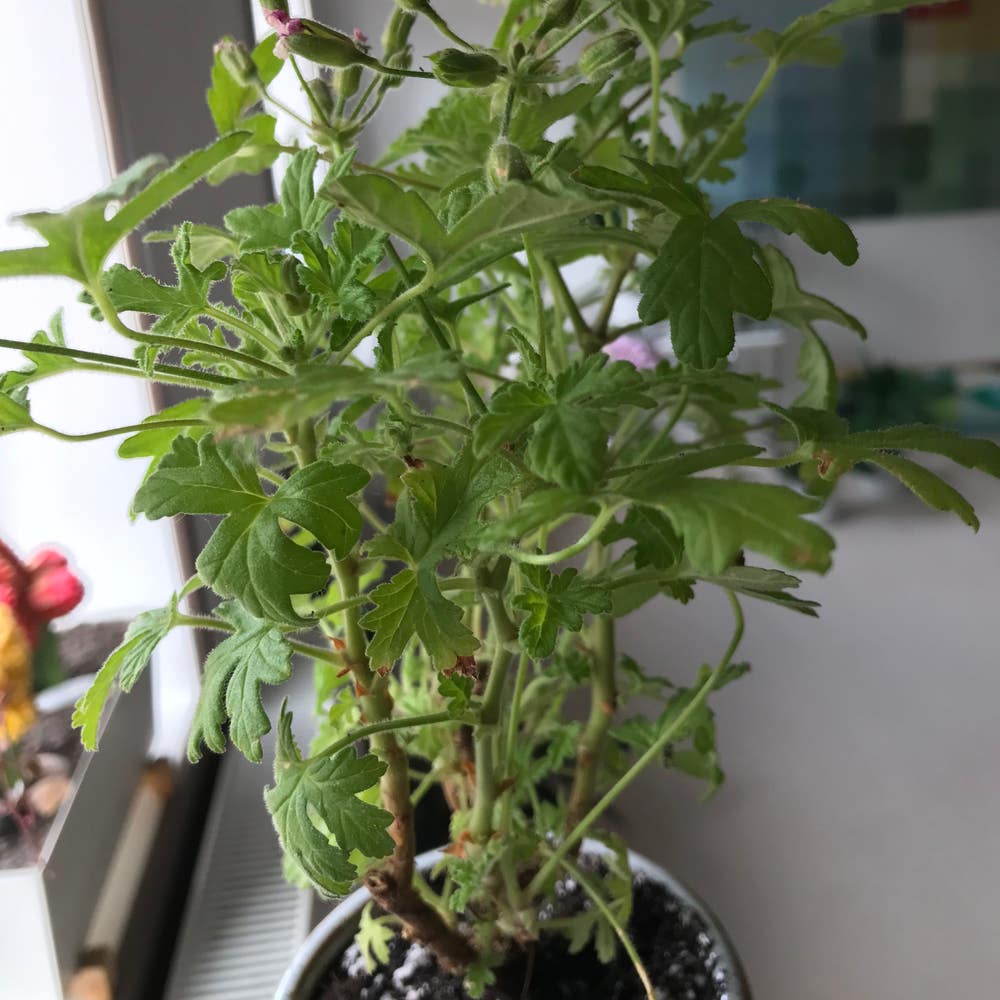
8 Winter Care Mistakes to Avoid with Malva ❄️
Malva clementii
By the Greg Editorial Team
Nov 08, 2024•6 min read
This article was created with the help of AI so we can cover more plants for you. May contain errors. See one? Report it here.
- ❄️ Protect Malva from frost using cloths or blankets for winter survival.
- 🌱 Water less frequently in winter; check soil dryness to avoid root rot.
- 🌿 Stop fertilizing before dormancy to maintain Malva's natural growth cycles.
Frost Protection Strategies
Techniques for Protecting Malva from Frost ❄️
Protecting your Malva from frost is crucial for its survival during winter. One effective method is covering the plants with frost cloths or blankets, which provide insulation against cold temperatures.
Another strategy is to create a makeshift greenhouse effect using plastic sheeting. This traps heat and moisture, helping to keep your plants warm during chilly nights.
Best Materials for Frost Protection 🧤
Choosing the right materials for frost protection can make a significant difference. Organic mulch, like straw or leaves, not only insulates the soil but also enriches it as it decomposes.
In contrast, inorganic mulch, such as gravel or stones, offers excellent insulation without adding nutrients. Additionally, frost covers come in various types, including lightweight fabric and heavier tarps, each with its effectiveness depending on the severity of the frost.
Timing for Applying Frost Protection ⏰
Timing is everything when it comes to frost protection. Keep a close eye on weather forecasts for frost warnings, as this will help you prepare in advance.
Implementing best practices, such as applying protection before the first expected frost, ensures your Malva has the best chance of thriving through the winter months. Regular monitoring and proactive measures can save your plants from frost damage.
With these strategies in place, you can confidently protect your Malva and ensure it emerges healthy in the spring. Next, let’s explore how to adjust your watering schedule during the winter months.
Watering Adjustments
How to Adjust Watering Schedules During Winter 🌨️
During winter, Malva enters a dormant phase, which means its watering needs significantly decrease. Aim to water less frequently, ensuring the soil remains moist but not soggy.
To maintain soil moisture without overwatering, check the top inch of soil. If it feels dry, it’s time to water, but always err on the side of caution to avoid waterlogged conditions.
Signs of Overwatering or Underwatering in Winter 🚨
Recognizing the signs of overwatering is crucial for Malva's health. Look for symptoms like root rot and mushy stems, which indicate too much moisture.
On the flip side, underwatering can lead to wilting and crispy leaves. Keep an eye on your plants to catch these issues early.
Importance of Soil Moisture Levels in Winter 💧
Maintaining optimal soil moisture levels is essential for Malva's winter care. Regularly check moisture levels using your finger or a moisture meter to ensure the soil is neither too dry nor too wet.
Well-draining soil is vital to prevent waterlogging, which can harm the roots. Consider amending your soil with organic matter to enhance drainage and support healthy growth.
With these watering adjustments, your Malva will be well-prepared to thrive through the winter months. Next, let’s explore how to fertilize your Malva during this season.
Fertilizing During Winter
🕒 When to Stop Fertilizing Malva in Winter
Timing is crucial when it comes to fertilizing Malva during winter. The recommended last fertilization should occur before the plant enters dormancy, typically in late fall.
Look for signs that indicate dormancy, such as yellowing leaves and slowed growth. These signals mean it's time to halt fertilization to avoid stressing the plant.
🌱 Types of Fertilizers Suitable for Winter Care
Choosing the right fertilizer can make a significant difference in winter care. Slow-release fertilizers are ideal as they provide nutrients gradually, ensuring your Malva gets what it needs without overwhelming it.
Liquid fertilizers can also be effective but should be used sparingly. Consider organic options, which are gentler on the plant and promote healthier growth.
❄️ Impact of Fertilizing on Winter Dormancy
Fertilizing during dormancy can disrupt the natural cycles of Malva. Over-fertilization may lead to excessive growth when the plant should be resting, which can weaken its overall health.
Maintaining a proper nutrient balance is essential during this period. Focus on providing just enough nutrients to support the plant without forcing it out of its natural dormancy.
As you prepare for the spring season, remember that understanding your Malva's needs during winter will set the stage for a vibrant growing season ahead.
Indoor Winter Care for Malva
🌱 Conditions for Bringing Malva Indoors
Deciding whether to bring your Malva indoors can be crucial for its survival during winter. Look for signs of stress, such as drooping leaves or stunted growth, which may indicate that the plant needs a more controlled environment.
Ideal indoor conditions for Malva include a space that mimics its natural habitat. Ensure the area is well-ventilated and free from drafts, as sudden temperature changes can be detrimental.
💡 Light and Temperature Requirements for Indoor Malva
Malva thrives in bright, indirect light, making it essential to place it near a window that filters sunlight. Avoid direct sunlight, as it can scorch the leaves.
Maintain a temperature range between 60°F to 70°F (15°C to 21°C) for optimal growth. This temperature range helps keep the plant healthy and encourages it to thrive indoors.
🐜 Common Indoor Pests and How to Manage Them
Indoor plants can attract pests like aphids and spider mites, which can quickly become a nuisance. Regularly inspect your Malva for these pests, especially on the undersides of leaves.
If you spot any pests, consider using neem oil or insecticidal soap as effective management strategies. These treatments are gentle on the plant while effectively controlling pest populations.
Transitioning your Malva indoors during winter can be a rewarding experience. With the right care, your plant can flourish even in the colder months, setting the stage for a vibrant growing season ahead.
Spring Preparation and Recovery
🌨️ Signs of Winter Damage in Malva
As winter fades, it's crucial to assess your Malva for any signs of damage. Look for visual indicators like brown, wilted leaves and stunted growth, which can signal that your plant has suffered during the colder months.
Additionally, checking the root health is essential. Gently dig around the base to ensure the roots are firm and healthy, as mushy or discolored roots indicate potential issues.
✂️ Steps for Pruning and Reviving Malva in Spring
Once you've identified any damage, it's time to prune. The best time to prune is early spring, just as new growth begins to emerge.
Use clean, sharp tools to make precise cuts on damaged stems. This not only promotes healthy regrowth but also prevents the spread of disease.
🌱 Preparing Malva for the Growing Season After Winter
After pruning, focus on recovery strategies to prepare your Malva for the growing season. Start with soil amendments; adding compost or organic matter can rejuvenate the soil and provide essential nutrients.
Fertilization is also key. Apply a balanced fertilizer to support new growth, but be cautious not to overdo it. Lastly, keep an eye out for pests and diseases as your Malva begins to thrive again, ensuring a healthy start to the season.
With these steps, your Malva will be well on its way to a vibrant growing season, ready to flourish in the warmth of spring.
⚠️ Safety First
This content is for general information and may contain errors, omissions, or outdated details. It is not medical, veterinary advice, or an endorsement of therapeutic claims.
Always consult a qualified healthcare professional before using any plant as food, medicine, or supplement.
Never eat any plant (or feed one to pets) without confirming its identity with at least two trusted sources.
If you suspect poisoning, call Poison Control (800) 222-1222, the Pet Poison Helpline (800) 213-6680, or your local emergency service immediately.
Spotted an error? Please report it here.
Keep your Malva thriving this winter ❄️ by using Greg's tailored care reminders to protect it from frost and adjust your watering routine for optimal health!