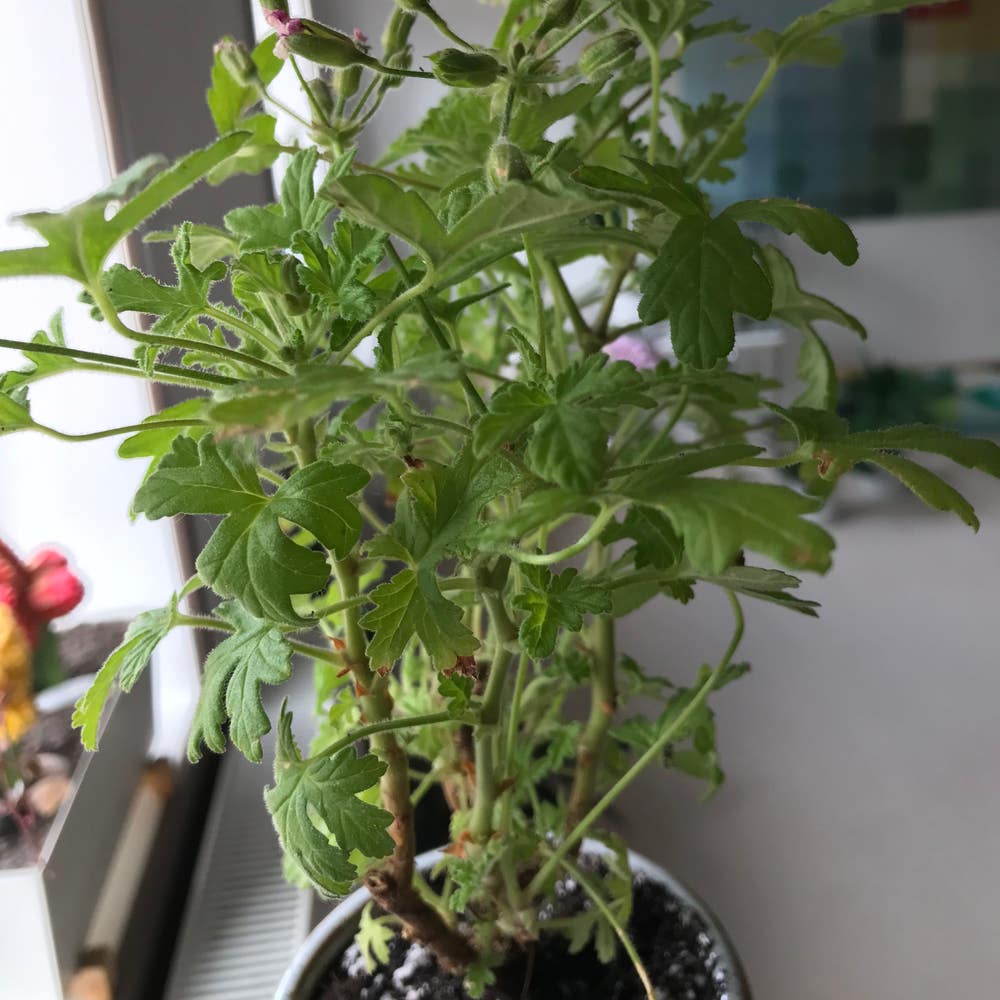
🌡 Best Temperature Conditions for Malva
Malva clementii
By the Greg Editorial Team
Nov 08, 2024•2 min read
This article was created with the help of AI so we can cover more plants for you. May contain errors. See one? Report it here.
- 🌡️ Malva thrives best between 60°F to 75°F for optimal growth and flowering.
- ❄️🔥 Temperature extremes cause wilting and stunted growth; monitor conditions closely.
- 🌿 Use shade cloth and mulch to protect Malva from heat and cold stress.
Temperature Requirements for Malva
🌡️ Ideal Temperature Range
Malva thrives best in a cozy temperature range of 60°F to 75°F (15°C to 24°C). Within this sweet spot, you'll see optimal growth, vibrant flowering, and overall plant health.
📏 Temperature Thresholds for Growth and Dormancy
Understanding temperature thresholds is crucial for Malva's success. The minimum threshold is 50°F (10°C); anything below this can stunt growth and lead to stress.
On the flip side, the maximum threshold is 85°F (29°C). Exceeding this can cause wilting and hinder flowering. Additionally, temperatures outside the ideal range can induce dormancy, halting growth altogether.
😰 Signs of Temperature Stress
Temperature stress manifests in several ways. Look for wilting symptoms, like drooping leaves and stems, which indicate your Malva is struggling.
You might also notice leaf discoloration, with yellowing or browning leaves signaling distress. Stunted growth is another red flag, as it results in reduced height and fewer leaves.
🔍 Causes of Temperature Stress
Heat stress is a common issue when temperatures soar above 85°F (29°C). Symptoms include leaf scorch and diminished flowering, leaving your Malva looking less than its best.
Cold stress occurs when temperatures dip below 50°F (10°C). This can lead to wilting, leaf drop, and in severe cases, the death of the plant.
🛠️ Recovery Strategies for Stressed Plants
If your Malva shows signs of stress, immediate actions can help. Providing shade or relocating the plants can offer quick relief.
For long-term health, consider adjusting planting times to avoid extreme temperatures. Regularly monitoring temperature fluctuations is essential for keeping your plants thriving.
🌱 Temperature Management Techniques
Implementing effective temperature management techniques can make a significant difference. Using shade cloth can protect your Malva from excessive heat, while greenhouse cultivation helps maintain optimal temperatures year-round.
Mulch serves as a fantastic insulator, retaining moisture and regulating soil temperature. During cold snaps, frost protection is vital; covering your plants can save them from chilling damage.
Lastly, watering strategies can help cool soil temperatures during heat waves, ensuring your Malva stays happy and healthy.
With these insights, you're well-equipped to create the perfect environment for your Malva. Next, let’s explore the signs of temperature stress in more detail.
⚠️ Safety First
This content is for general information and may contain errors, omissions, or outdated details. It is not medical, veterinary advice, or an endorsement of therapeutic claims.
Always consult a qualified healthcare professional before using any plant as food, medicine, or supplement.
Never eat any plant (or feed one to pets) without confirming its identity with at least two trusted sources.
If you suspect poisoning, call Poison Control (800) 222-1222, the Pet Poison Helpline (800) 213-6680, or your local emergency service immediately.
Spotted an error? Please report it here.
Keep your Malva thriving 🌱 by using Greg's personalized tips and reminders to maintain the perfect temperature for stunning blooms all season long!