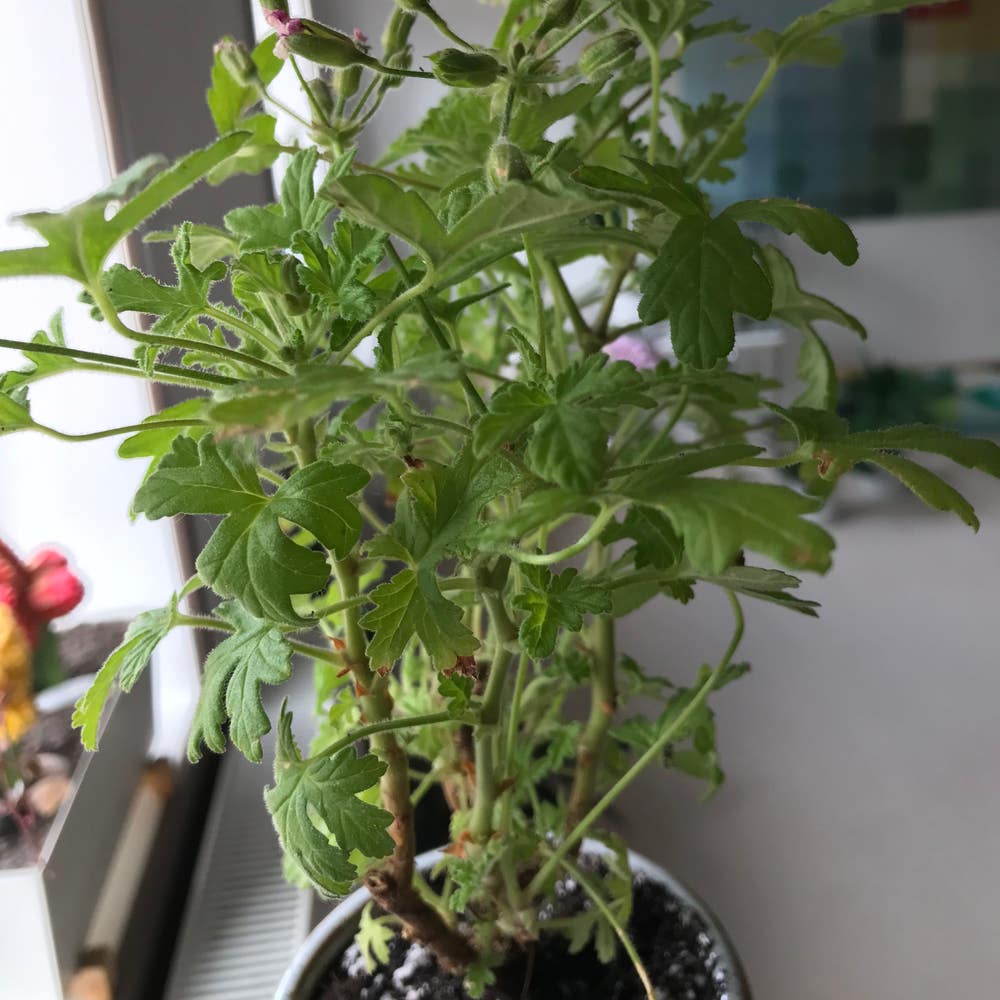
🌼 Overview of Clement's Mallow
Malva clementii
By the Greg Editorial Team
Feb 10, 2025•10 min read
This article was created with the help of AI so we can cover more plants for you. May contain errors. See one? Report it here.
- 🌞 Clement's Mallow needs 6-8 hours of sunlight daily for optimal growth.
- 🌱 Well-drained soil with pH 6.0-7.5 is essential for healthy plants.
- 🐾 Clement's Mallow is non-toxic to pets, making it safe for gardens.
How to Grow
Choosing a Location 🌞
Clement's Mallow thrives in full sun, requiring 6 to 8 hours of direct sunlight daily. Ensure you provide enough space for the plant's mature spread and good air circulation to promote healthy growth.
Soil Preparation 🏞️
For optimal growth, aim for well-drained soil that is slightly alkaline to neutral. The ideal soil pH ranges from 6.0 to 7.5, and good drainage is crucial to prevent root rot.
Planting Techniques 🌱
When planting, space your seedlings or seeds 12 to 18 inches apart to allow for proper growth. Plant them at a depth of about 1/4 inch to ensure they establish well.
Watering Requirements 🚰
Water your Clement's Mallow regularly until it is well-established, then you can reduce the frequency. Always water at the base of the plant to keep the foliage dry and healthy.
Fertilizing Schedule 🍽️
Use a balanced NPK fertilizer to nourish your plants. Fertilize monthly during the growing season to support robust growth and flowering.
Pruning Practices ✂️
Prune your plants in late winter or early spring, just before new growth begins. Focus on removing any dead or damaged stems to encourage fresh, healthy growth.
Ongoing Care 👀
Keep an eye on your plants for any signs of stress or disease. Adjust your care routine based on seasonal changes to ensure your Clement's Mallow remains vibrant and healthy.
This section sets the foundation for successful cultivation. Next, let’s explore how to propagate this beautiful plant effectively.
Propagation
🌱 Seed Propagation
To start growing Clement's Mallow from seeds, sow them indoors about 6-8 weeks before the last frost. This timing ensures that your plants will be ready to thrive once the warmer weather arrives.
Maintaining an optimal soil temperature of 70°F (21°C) is crucial for successful germination. This warm environment encourages the seeds to sprout and develop strong roots.
✂️ Cutting Propagation
Another effective method for propagating Clement's Mallow is through cuttings. Choose healthy stems that are 4-6 inches long, ensuring they are free from disease or damage.
Once you've selected your cuttings, place them in a moist potting mix. Keep the soil consistently damp until roots develop, which will set the stage for robust growth in your garden.
Lifecycle
Lifecycle Stages 🌱
Clement's Mallow undergoes a fascinating lifecycle that begins with germination. This process progresses through several stages: seedling, vegetative growth, flowering, and ultimately, seed production.
Germination Period ⏳
Under optimal conditions, expect germination to take about 7-14 days. This timeframe is crucial for kickstarting the plant's journey to maturity.
Lifespan and Growth Rate 📈
Typically, Clement's Mallow has a lifespan of 3-5 years. It boasts a moderate growth rate, reaching full maturity in about 2-3 years, making it a rewarding addition to your garden.
With this understanding of its lifecycle, you can better appreciate the care and attention needed to help your Clement's Mallow thrive. Next, let's explore how to effectively propagate this beautiful plant.
Size
Mature Height and Spread 🌱
Clement's Mallow typically reaches an average mature height of 2 to 4 feet. Its spread can range from 1 to 3 feet, making it a lovely addition to any garden space.
Growth Rate Specifics ⏳
This plant exhibits a moderate growth rate, generally achieving full size within 2 to 3 years. With the right care, you can enjoy its vibrant blooms in just a short time.
Size Variability 📏
The size of Clement's Mallow can vary significantly based on several factors. Sunlight exposure, soil quality, and water availability all play crucial roles in determining how large your plant will grow.
By ensuring optimal conditions, you can maximize its potential and enjoy a flourishing display in your garden.
Roots
Type of Root System 🌱
Clement's Mallow features a fibrous root system that spreads widely. This structure helps the plant absorb nutrients and water efficiently.
Root Depth and Spread 📏
Typically, the roots grow to a depth of 12-18 inches. This depth allows for stability and access to moisture in the soil.
Common Root-Related Issues ⚠️
Root rot is a common problem caused by overwatering. Signs of this issue include wilting and yellowing leaves.
Another concern is being rootbound, which occurs when roots circle around the pot. Symptoms include stunted growth and a lack of vigor.
Visual Cues for Healthy vs. Unhealthy Roots 👀
Healthy roots are firm and white, indicating good health. In contrast, unhealthy roots appear brown and mushy, signaling potential problems.
Solutions for Root Problems 🛠️
If you notice root issues, repotting may be necessary. Choose a larger pot to provide adequate space for growth and improve drainage.
By addressing these root concerns, you can help ensure your Clement's Mallow thrives. Now, let’s explore the benefits of growing this beautiful plant.
Benefits
Five Benefits of Growing 🌱
Clement's Mallow is not just a pretty face in the garden; it offers a multitude of benefits that make it a fantastic choice for any gardener.
Aesthetic Appeal
The bright, vibrant flowers of Clement's Mallow can transform any garden space into a visual delight. Their striking colors draw the eye and create a lively atmosphere.
Ecological Benefits
These plants are more than just ornamental; they play a crucial role in attracting pollinators and beneficial insects. By growing Clement's Mallow, you contribute to a healthier ecosystem.
Medicinal Uses
Historically, Clement's Mallow has been used in traditional medicine. Its various properties have made it a staple for natural remedies, showcasing its versatility beyond mere decoration.
Drought Tolerance
Once established, Clement's Mallow is surprisingly drought-tolerant. This means less frequent watering for you, making it a low-maintenance option in dry conditions.
Cultural Significance
Clement's Mallow symbolizes resilience and beauty in gardens. Its presence can inspire a sense of strength and vitality, adding depth to your gardening experience.
Incorporating Clement's Mallow into your garden not only enhances its beauty but also supports the environment and offers practical benefits. Now that you know the perks, let’s explore how to propagate this wonderful plant!
Companion Plants
🌱 Companion Planting Benefits
Companion planting is a fantastic way to enhance your garden's diversity and improve pest management. By strategically placing plants together, you can create a more resilient ecosystem that thrives naturally.
🌼 Compatible Companion Plants
When growing Clement's Mallow, consider pairing it with marigolds. These vibrant flowers act as a natural pest repellent, keeping unwanted insects at bay. Lavender is another excellent companion, as it shares similar care needs and adds a lovely fragrance to your garden.
🚫 Plants to Avoid
While many plants can coexist harmoniously, some should be kept at a distance. Avoid planting Clement's Mallow near aggressive plants like mint, which can outcompete it for resources and space. Keeping these tips in mind will help you create a flourishing garden environment.
With the right companions, your Clement's Mallow can thrive, contributing to a vibrant and healthy garden ecosystem. Next, let’s explore the fascinating topic of toxicity and safety for humans and pets.
Toxicity to Humans
Safety of Clement's Mallow 🌼
Clement's Mallow is a safe choice for your garden, as it is not listed as toxic by major poison control centers. This means you can enjoy its beauty without worrying about harmful effects on humans.
Potential Minor Issues ⚠️
While generally safe, consuming large quantities of Clement's Mallow may lead to mild skin irritation or digestive discomfort. It's always wise to enjoy plants in moderation.
Cautionary Advice 🚨
Even with its non-toxic status, it's essential to exercise caution with any plant. If you experience unusual symptoms after contact or consumption, seek medical advice promptly.
As you cultivate your garden, remember that knowledge is power. Understanding the safety of your plants allows you to create a vibrant, worry-free environment.
Toxicity to Dogs
Non-Toxic Status 🐶
Clement's Mallow is a safe choice for dog owners. It is not listed as toxic by major pet poison control centers, allowing you to enjoy this beautiful plant without worry.
Potential Minor Issues ⚠️
While generally safe, consuming large quantities may lead to mild gastrointestinal upset in dogs. It's always best to monitor your furry friends around any new plants.
Tips for Introducing to Homes with Dogs 🏡
To ensure a harmonious home, place Clement's Mallow out of reach of your pets. Regularly observe their behavior to catch any unusual interest in the plant, ensuring a safe and happy environment for both your plants and your dogs.
As you consider adding this lovely plant to your garden, remember that its non-toxic nature makes it a great option for pet-friendly spaces. Now, let's explore how to manage common problems that may arise with your Clement's Mallow.
Toxicity to Cats
Non-Toxic Status 🐱
Clement's Mallow is a safe choice for cat owners. It is not listed as toxic by major pet poison control centers, so you can enjoy this beautiful plant without worry.
Potential Minor Issues 🚨
While generally safe, consuming large quantities of Clement's Mallow may lead to mild gastrointestinal upset in cats. It's always best to monitor your furry friends to ensure they don't overindulge.
Tips for Introducing to Homes with Cats 🏡
When bringing Clement's Mallow into your home, proper placement is key. Keep the plant out of reach and observe your cat's behavior around it to ensure they don't show any unusual interest.
By taking these simple precautions, you can enjoy the beauty of Clement's Mallow while keeping your feline companions safe and sound.
Problems
Common Problems 🌱
Growing Clement's Mallow can come with its share of challenges. The most common issues include incorrect watering, light conditions, and diseases.
- Incorrect Watering: Overwatering can lead to yellowing leaves, while underwatering often results in wilting.
- Incorrect Light Conditions: Insufficient light can cause leggy growth, making the plant look weak and stretched.
- Diseases: Fungal problems like powdery mildew and black rot can also plague your plants if not addressed promptly.
Identification and Causes 🔍
Identifying the root of these problems is crucial for maintaining healthy plants.
- Root Problems: Overwatering can cause root rot, leading to squishy roots that signal distress.
- Symptoms: Look for yellowing leaves or wilting as indicators of watering issues, and check for leggy growth to assess light conditions.
Simple Solutions 💡
Fortunately, many of these problems have straightforward solutions.
- Adjust Watering Practices: Ensure you’re watering appropriately—allow the soil to dry out between waterings to prevent root rot.
- Improve Air Circulation: Enhance airflow around your plants to reduce humidity and prevent fungal diseases.
By keeping an eye on these common issues and implementing these simple solutions, you can help your Clement's Mallow thrive. Next, let’s explore the potential pest problems that might arise in your garden.
Bugs
🐞 Potential Pest Issues
Clement's Mallow can attract a variety of pests, making it essential for gardeners to stay vigilant. Regular monitoring will help catch infestations early, ensuring your plants thrive.
🔍 Identification of Common Pests
Two common culprits are spider mites and aphids.
- Spider Mites: Look for fine webbing on the leaves, which indicates their presence.
- Aphids: These small green insects often cluster on new growth, sucking sap and weakening the plant.
⚔️ Damage and Treatment Options
Pest damage can lead to stunted growth and unsightly foliage. Fortunately, there are effective treatments available.
- Neem Oil: This natural pesticide disrupts the life cycle of pests without harming beneficial insects.
- Insecticidal Soap: A safe option that suffocates pests on contact.
- Beneficial Insects: Introducing ladybugs or lacewings can help keep aphid populations in check.
By staying proactive and using these treatments, you can protect your Clement's Mallow and enjoy its beauty without the worry of pests.
What Eats
Common Animals 🦌
Clement's Mallow can attract a variety of hungry critters. Deer, rabbits, and squirrels are particularly fond of munching on its leaves and flowers.
Signs of Animal Presence 🐾
If you suspect that wildlife is enjoying your plants, look for telltale signs. Chewed leaves and droppings nearby can indicate that these animals have been feasting on your garden.
Deterrent Methods 🚫
To protect your beloved plants, consider using both chemical and organic deterrents. Repellents can help keep animals at bay, while physical barriers like fencing can provide an extra layer of security.
By being proactive, you can enjoy the beauty of Clement's Mallow without sharing it with local wildlife.
⚠️ Safety First
This content is for general information and may contain errors, omissions, or outdated details. It is not medical, veterinary advice, or an endorsement of therapeutic claims.
Always consult a qualified healthcare professional before using any plant as food, medicine, or supplement.
Never eat any plant (or feed one to pets) without confirming its identity with at least two trusted sources.
If you suspect poisoning, call Poison Control (800) 222-1222, the Pet Poison Helpline (800) 213-6680, or your local emergency service immediately.
Spotted an error? Please report it here.
Clement's Mallow is a stunning addition to your garden 🌼, and with Greg's tailored care tips and watering reminders, you'll cultivate a thriving, pet-safe paradise in no time!