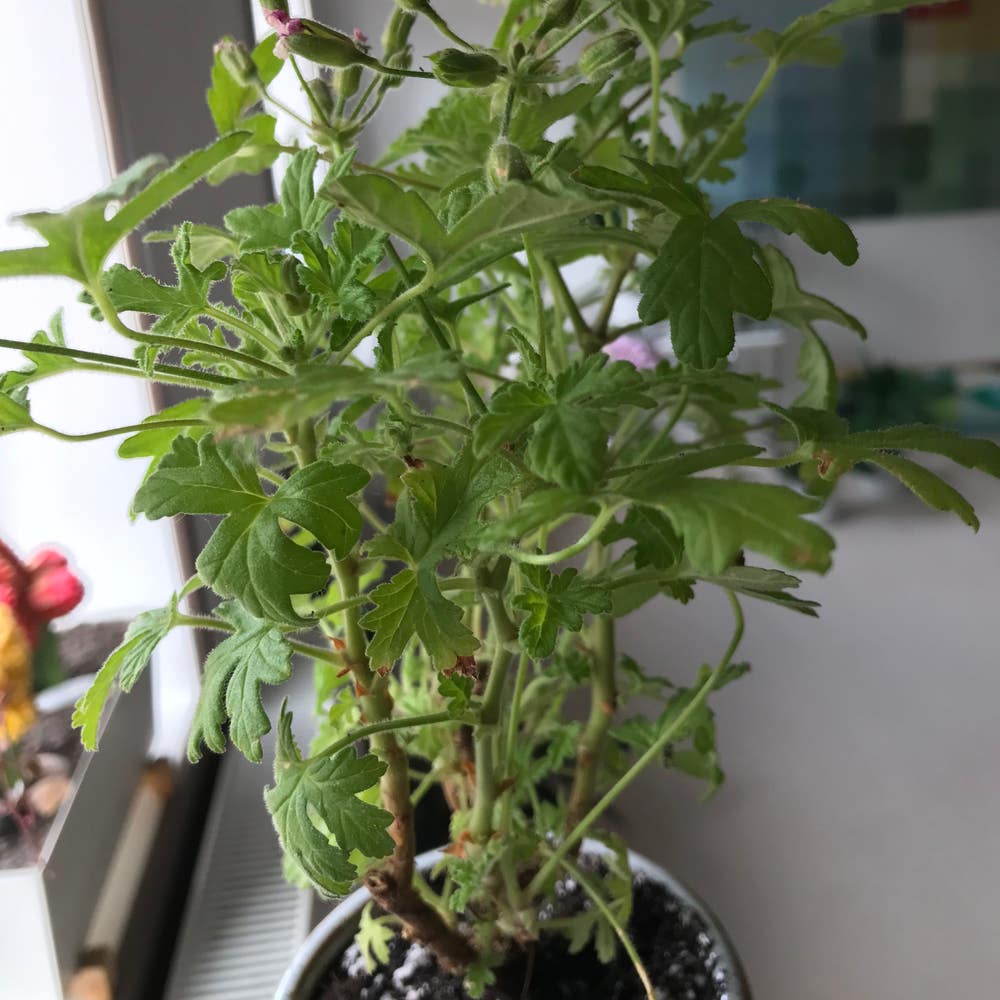
🌼 Malva Width: What to Expect
Malva clementii
By the Greg Editorial Team
Nov 08, 2024•6 min read
This article was created with the help of AI so we can cover more plants for you. May contain errors. See one? Report it here.
- 🌱 Malva plants grow 1-4 feet tall; size varies by species and conditions.
- ☀️ Full sun and nutrient-rich soil are crucial for optimal growth and spread.
- 🌿 Pruning and spacing enhance bushiness and prevent competition among plants.
Mature Height and Spread
Mature Height 🌱
Malva plants showcase a typical height range of 1 to 4 feet, depending on the species. Some notable species can reach up to 4 feet tall, while dwarf varieties generally hover around the 1-foot mark.
Mature Spread 🌿
When it comes to spread, Malva plants usually average 1 to 3 feet. Their bushy growth habit significantly influences this spread, allowing them to fill out their space effectively.
Factors Affecting Spread 📏
Several factors can affect the overall spread of Malva plants:
- Planting Density: Closer planting can restrict growth.
- Competition with Other Plants: Nearby plants can vie for resources, impacting size.
Understanding these aspects can help you cultivate a thriving Malva garden. With the right conditions, you can enjoy their vibrant presence in your landscape.
Next, let’s explore the growth rate and time to maturity of these fascinating plants.
Growth Rate and Time to Maturity
🌱 General Growth Rate
Malva plants exhibit a moderate growth rate, typically adding 1 to 2 feet in height each season. However, this can vary significantly based on species; some may outpace others, especially under optimal environmental conditions.
Factors like soil quality, sunlight, and water availability play crucial roles in determining how quickly these plants thrive. Ensuring your Malva has the right conditions can lead to impressive growth.
⏳ Time to Reach Full Size
Most Malva species take about 2 to 3 years to reach their full size. This timeline can be influenced by several factors, including soil quality, water availability, and sunlight exposure.
For instance, nutrient-rich soil and consistent watering can accelerate maturity, while poor conditions may delay it. Understanding these elements helps set realistic expectations for your garden's growth journey.
As you cultivate your Malva, keep these growth dynamics in mind to foster a thriving garden. Next, we’ll explore how size variability among different species can impact your gardening experience.
Size Variability Among Species
📏 Size Differences
When it comes to Malva, size can vary significantly based on the species and environmental factors. Some species grow tall and bushy, reaching impressive heights, while others remain compact and low-growing.
🌍 Environmental Influences
Soil quality plays a crucial role in determining plant size. Nutrient-rich soils typically promote larger growth, allowing Malva to thrive.
Light exposure is another key factor. Plants in full sun generally achieve optimal height and spread, whereas those in partial shade may experience stunted growth.
Watering practices also impact size. Consistent moisture leads to healthier, larger plants, while irregular watering can hinder their development.
Understanding these variables can help you make informed decisions about planting and caring for Malva. With the right conditions, you can enjoy a vibrant display of these beautiful plants in your garden.
Next, we'll explore how different growing conditions influence the overall size of Malva.
Influence of Growing Conditions
🌱 Soil Type Impact
The type of soil you use plays a crucial role in the growth of Malva. Well-draining, fertile loam is ideal for maximum growth, allowing roots to thrive and absorb nutrients effectively.
In contrast, poor soil conditions can stunt growth and reduce the overall size of your plants. If the soil lacks nutrients or drainage, you may notice smaller, less vigorous Malva.
☀️ Sunlight Effects
Sunlight is another key factor influencing Malva's growth. Full sun exposure, ideally 6 to 8 hours a day, promotes optimal height and spread, leading to robust plants.
On the other hand, partial shade can result in leggy growth and reduced dimensions. If your Malva isn't getting enough light, it may stretch towards the sun, compromising its bushy appearance.
💧 Watering Practices
Watering practices significantly affect Malva's health and size. Consistent moisture encourages healthy growth, allowing plants to flourish and reach their full potential.
However, overwatering can be detrimental, leading to root rot and stunted size. It's essential to find a balance—too much water can be just as harmful as too little.
🌡️ Climate Considerations
Climate also plays a vital role in the growth of Malva. Warm climates generally support larger growth, providing the heat and light that these plants crave.
In contrast, cooler climates may limit growth potential. If you're in a region with lower temperatures, your Malva might not reach the impressive sizes seen in warmer areas.
Understanding these growing conditions can help you cultivate healthier, more vibrant Malva plants. With the right soil, sunlight, watering, and climate, you can set the stage for success in your garden.
Next, let’s explore size control techniques to help you manage your Malva’s growth effectively.
Size Control Techniques
Controlling the size of your Malva plants is essential for achieving a healthy and visually appealing garden. Here are some effective techniques to ensure your plants thrive without becoming overgrown.
✂️ Pruning Methods
Timing is crucial when it comes to pruning. The best time to prune Malva is in early spring, just before new growth begins.
To encourage bushier growth, consider pinching back the tips of the stems. This simple technique can help create a fuller, more compact plant.
📏 Spacing Tips
Proper spacing is vital for optimal growth. Aim to plant your Malva 12 to 18 inches apart to give each plant enough room to flourish.
Be cautious with dense planting, as it can lead to competition for resources, ultimately reducing the size of your plants.
🌱 Fertilization Practices
Using balanced fertilizers can significantly promote healthy growth and larger dimensions for your Malva. These fertilizers provide essential nutrients that support robust development.
However, be wary of over-fertilization. Too much fertilizer can lead to excessive foliage growth with smaller blooms, detracting from the plant's overall beauty.
By implementing these size control techniques, you can cultivate a thriving Malva garden that showcases the best of these vibrant plants. Next, let’s explore some common misconceptions about Malva size and growth.
Common Misconceptions
🌱 Myths About Size
One common misconception is that all Malva species grow to the same height. In reality, size can vary significantly, with some species reaching up to 4 feet while others remain compact at around 1 foot.
Understanding these differences is crucial for gardeners. Choosing the right species can make all the difference in achieving your desired garden aesthetic.
🎯 Setting Realistic Expectations
It's essential to set realistic expectations when it comes to plant size. Each Malva species has unique needs that influence its growth potential.
Factors like soil quality, sunlight, and watering practices play a significant role in how large your plants will grow. By understanding these individual requirements, you can better manage their size and ensure a thriving garden.
With the right knowledge, you can cultivate a beautiful and diverse Malva display that meets your expectations. Now, let’s explore how growing conditions can influence the size of your Malva plants.
⚠️ Safety First
This content is for general information and may contain errors, omissions, or outdated details. It is not medical, veterinary advice, or an endorsement of therapeutic claims.
Always consult a qualified healthcare professional before using any plant as food, medicine, or supplement.
Never eat any plant (or feed one to pets) without confirming its identity with at least two trusted sources.
If you suspect poisoning, call Poison Control (800) 222-1222, the Pet Poison Helpline (800) 213-6680, or your local emergency service immediately.
Spotted an error? Please report it here.
Unlock the full potential 🌼 of your Malva plants with Greg's tailored care reminders, ensuring they thrive beautifully while you avoid common gardening pitfalls!