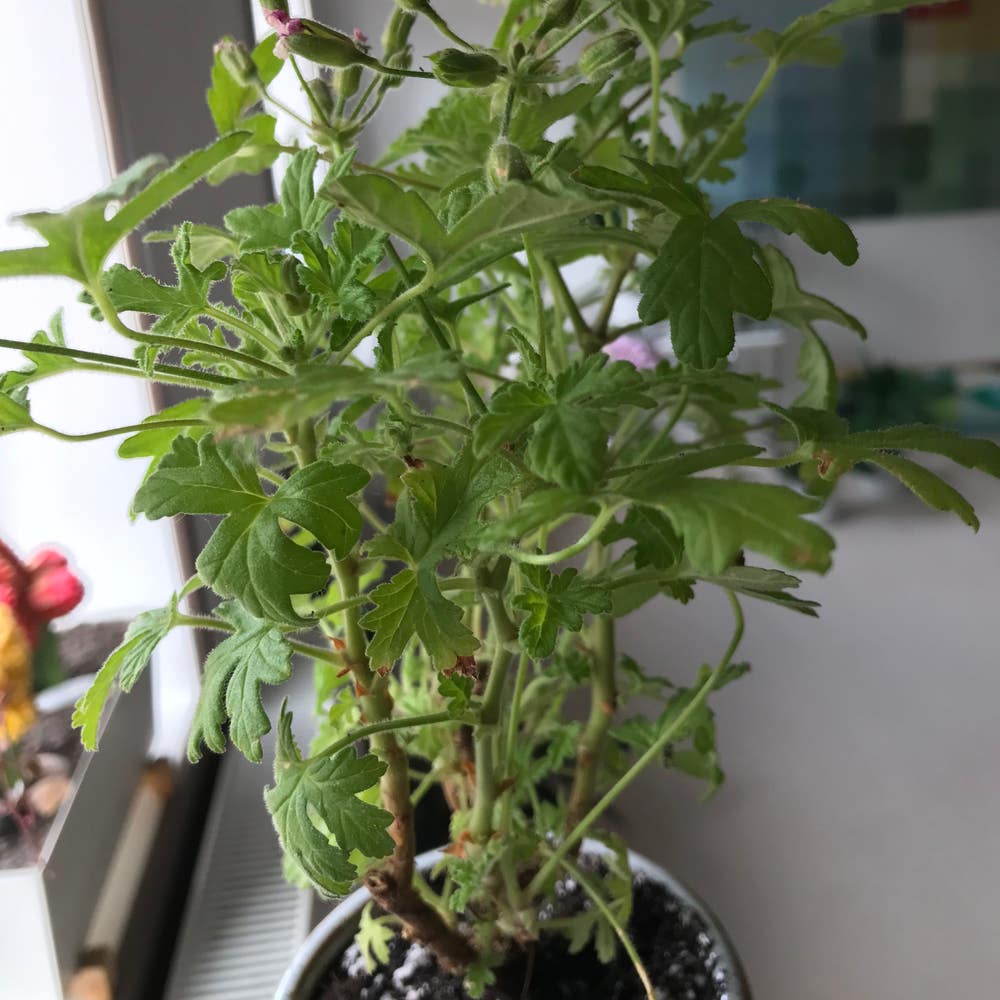
How to Cure Leaves Falling Over on Your Malva
Malva clementii
By the Greg Editorial Team
Nov 08, 2024•7 min read
This article was created with the help of AI so we can cover more plants for you. May contain errors. See one? Report it here.
- 💧 Overwatering and underwatering cause leaf droop; balance moisture for healthy Malva.
- 🌱 Nutrient deficiencies lead to stunted growth; use balanced fertilizers for recovery.
- 🐛 Pests and diseases harm Malva; monitor regularly and apply organic treatments.
Causes of Leaves Falling
💧 Overwatering and Its Effects
Overwatering is a common issue that can lead to serious problems for your Malva. Symptoms include yellowing leaves, mushy stems, and wilting, even when the soil is wet.
The impact on root health is significant, as overwatering can cause root rot and reduce oxygen availability. Ensuring well-drained soil is crucial for healthy Malva cultivation.
🚰 Underwatering and Dehydration
On the flip side, underwatering can also cause leaves to fall. Signs include crispy, dry leaves and drooping foliage, which indicate that your plant is not getting enough moisture.
Prolonged dehydration can stunt growth and lead to leaf drop. It's essential to adjust your watering frequency based on environmental conditions to keep your Malva thriving.
🥦 Nutrient Deficiencies
Nitrogen Deficiency
A lack of nitrogen can manifest as pale green leaves and stunted growth. Nitrogen is vital for leaf development and overall plant vigor, making it a key nutrient for your Malva.
Potassium Deficiency
Potassium deficiency shows up as leaf edges turning brown and curling. This nutrient plays a crucial role in water regulation and disease resistance, so keeping it balanced is important.
🐛 Pest Infestations
Common Pests Affecting Malva
Pests can wreak havoc on your Malva, leading to leaf drop and overall decline. Aphids are notorious for leaving sticky residue and causing curled leaves, while spider mites create webbing and stippled leaf surfaces.
The impact of these pests on leaf health and plant vitality can be severe, so regular monitoring is essential.
🍄 Fungal Diseases
Root Rot
Root rot is another serious concern, with symptoms including wilting, yellowing leaves, and a foul odor from the soil. This condition often arises from overwatering and poor drainage.
Powdery Mildew
Powdery mildew appears as white, powdery spots on leaves. High humidity and poor air circulation create ideal conditions for this fungal growth, making it crucial to maintain proper airflow around your plants.
Understanding these causes is the first step in addressing the issue of falling leaves on your Malva. By diagnosing the problem accurately, you can take effective action to restore your plant's health.
Diagnosing the Problem
🌧️ Identifying Symptoms of Overwatering
Overwatering is a common issue that can lead to serious problems for your Malva. Look for visual indicators like yellowing leaves and signs of root rot, which can manifest as a foul smell from the soil.
To confirm overwatering, conduct a soil moisture test. You can use a moisture meter or simply insert your finger into the soil to check for excessive wetness.
💧 Recognizing Signs of Underwatering
Underwatering can be just as detrimental. Keep an eye out for dry, crispy leaves and drooping stems, which are clear signs that your plant is thirsty.
For a more accurate assessment, check the soil moisture several inches down. If it feels dry at that depth, your Malva likely needs a drink.
🐛 Checking for Pests and Their Damage
Pests can wreak havoc on your Malva's health. Conduct a visual inspection by looking for pests on the undersides of leaves and along the stems.
Evaluate the damage by assessing leaf health and growth patterns. If you notice stunted growth or unusual leaf shapes, pests might be the culprit.
🌱 Assessing Soil Quality and Drainage
Soil quality is crucial for your Malva's well-being. Start by evaluating the soil texture; a good mix of sand, silt, and clay promotes proper drainage.
Perform a drainage test by observing how water behaves after you water your plant. If water pools or takes too long to absorb, it’s time to improve your soil's drainage capabilities.
By diagnosing these issues early, you can take the necessary steps to restore your Malva's health. Next, let's explore effective treatment and remedies to address these problems.
Treatment and Remedies
🌊 Adjusting Watering Practices
To help your Malva thrive, establish a watering schedule that allows the soil to dry slightly between waterings. This balance prevents overwatering, which can lead to root rot and other issues.
Deep watering is essential for encouraging robust root growth. Aim to saturate the soil thoroughly, ensuring that water reaches the deeper roots where it’s needed most.
🏞️ Improving Soil Drainage and Aeration
Enhancing soil drainage is crucial for Malva health. Consider adding perlite or sand to your soil mix to improve aeration and prevent waterlogging.
If your soil is compacted, aerate it using a garden fork or aerator. This process allows air to penetrate the soil, promoting healthier root systems.
🌱 Fertilizing Appropriately for Recovery
To replenish nutrients, use balanced NPK fertilizers. These fertilizers provide essential nitrogen, phosphorus, and potassium, supporting overall plant vigor.
Apply fertilizer every 4-6 weeks during the growing season. This regular feeding helps your Malva recover and flourish.
🐞 Treating Pests with Organic or Chemical Solutions
For pest control, start with organic methods like neem oil or insecticidal soap. These options are effective and less harmful to beneficial insects.
If infestations are severe, consider targeted chemical pesticides. Use these as a last resort to protect your Malva without compromising its health.
🍄 Managing Fungal Infections
Address fungal infections promptly with appropriate fungicides. These treatments are vital for managing issues like root rot and powdery mildew.
For a natural approach, try a baking soda solution to combat powdery mildew. This remedy is simple and can be effective in controlling fungal growth.
By implementing these treatment and remedy strategies, you can restore your Malva's health and vitality. Next, we’ll explore preventive measures to keep your plant thriving long-term.
Preventive Measures
🌊 Best Practices for Watering
Establishing a consistent watering routine is crucial for the health of your Malva. Adjust your schedule based on seasonal changes to ensure your plant receives the right amount of moisture.
Using moisture meters can help you avoid the pitfalls of over or underwatering. These handy tools provide a clear indication of soil moisture levels, allowing you to make informed decisions about when to water.
🏗️ Soil Preparation and Amendments
Well-draining soil is essential for Malva cultivation. Mixing organic matter with sand improves drainage and promotes healthy root development.
Regular soil testing is also important. Check nutrient levels and pH balance to ensure your Malva has the right environment to thrive.
🐞 Regular Pest Monitoring and Control
Routine inspections are key to keeping pests at bay. Check your plants weekly during the growing season to catch any infestations early.
Consider implementing companion planting as a natural deterrent. Certain plants can repel pests, creating a healthier ecosystem for your Malva.
🍂 Seasonal Care Adjustments
Adjust your care practices with the changing seasons. This includes modifying watering frequency and fertilization to match the plant's needs throughout the year.
By staying attentive to these seasonal changes, you can help your Malva flourish and prevent future issues with falling leaves.
With these preventive measures in place, you can ensure your Malva remains healthy and vibrant, setting the stage for effective post-treatment care.
Post-Treatment Care
Monitoring Recovery Progress 🌱
After addressing the issues causing your Malva's leaves to fall, it's crucial to keep a close eye on its recovery. Regularly check for new growth and assess the health of the leaves.
Adjust your care practices based on what you observe. If you notice vibrant new leaves, it’s a sign that your plant is bouncing back. Conversely, if problems persist, you may need to reassess your treatment approach.
Signs of Healthy Regrowth 🌿
Look for indicators of recovery, such as vibrant green leaves and the emergence of new growth shoots. These signs suggest that your Malva is regaining its strength and vitality.
Patience is key during this recovery process. Plants take time to heal, so give your Malva the care it needs without rushing the process.
Long-Term Care Strategies to Prevent Recurrence 🛡️
To ensure your Malva thrives in the long run, establish a comprehensive care routine. This should include consistent watering, appropriate fertilization, and regular pest control measures.
By being proactive in your care, you can prevent the issues that led to leaf drop in the first place. A well-maintained plant is a happy plant, so invest the time and effort to keep your Malva healthy and flourishing.
With these strategies in place, you can enjoy a thriving Malva that adds beauty to your garden. Now, let’s explore preventive measures to keep your plant in top shape!
⚠️ Safety First
This content is for general information and may contain errors, omissions, or outdated details. It is not medical, veterinary advice, or an endorsement of therapeutic claims.
Always consult a qualified healthcare professional before using any plant as food, medicine, or supplement.
Never eat any plant (or feed one to pets) without confirming its identity with at least two trusted sources.
If you suspect poisoning, call Poison Control (800) 222-1222, the Pet Poison Helpline (800) 213-6680, or your local emergency service immediately.
Spotted an error? Please report it here.
Revive your Malva's beauty with consistent care 🌿—let Greg guide you with tailored reminders and expert tips to keep your plant thriving!