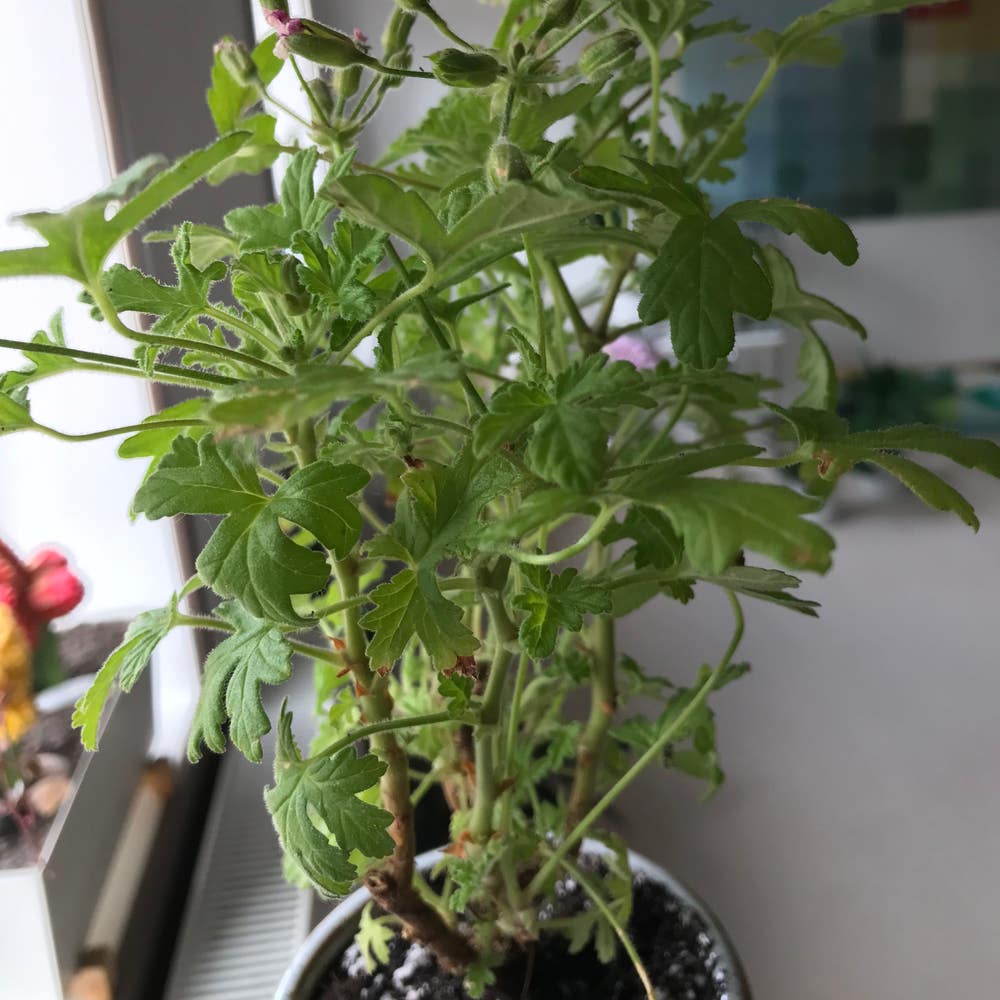
🌱 How to Know When to Repot Malva
Malva clementii
By the Greg Editorial Team
Nov 08, 2024•4 min read
This article was created with the help of AI so we can cover more plants for you. May contain errors. See one? Report it here.
- 🌱 Repot Malva in early spring or fall to minimize plant stress.
- 🪴 Choose a pot 1-2 inches larger for optimal growth and drainage.
- 💧 Water thoroughly after repotting and monitor for transplant shock signs.
Repotting Process for Malva
Repotting Malva can seem daunting, but with a clear step-by-step guide, you can do it with confidence. Here’s how to ensure your plant thrives in its new home.
🌱 Step-by-step guide to repotting Malva
Choose the right time: The best times to repot are early spring or early fall. This timing helps minimize stress on the plant.
Prepare the new pot: Select a pot that is 1-2 inches larger in diameter than the current one. Make sure it has adequate drainage holes to prevent waterlogging.
Remove the Malva from its current pot: Gently loosen the soil around the edges. Carefully lift the plant by the base, being cautious not to damage the roots.
Inspect the roots: Check for any dead or damaged roots and trim them with sterilized scissors. If you find circling roots, untangle them to promote healthy growth.
Add potting soil to the new pot: Start by filling the bottom with a layer of well-draining potting soil. This foundation is crucial for healthy root development.
Position the Malva in the new pot: Center the plant in the pot and fill in around the sides with soil. Ensure the top of the root ball is level with the pot rim for stability.
Water thoroughly: After repotting, water the plant until you see drainage from the bottom. Be careful not to overwater, as this can lead to root rot.
🪴 Choosing the Right Pot for Malva
Selecting the right pot material is essential for your Malva's health. Here are some options to consider:
Best materials for Malva pots
Terracotta
- Pros: Breathable and excellent for moisture control.
- Cons: Can dry out quickly in hot weather.
Plastic
- Pros: Lightweight and retains moisture longer.
- Cons: Less breathable, which may lead to root rot if drainage is inadequate.
Ceramic
- Pros: Aesthetic appeal and good moisture retention.
- Cons: Heavier, often more expensive, and may lack drainage holes.
🌊 Soil and Drainage Considerations
Choosing the right soil and ensuring proper drainage are vital for your Malva's success.
Recommended potting soil for Malva
- Well-draining potting mix: Look for a mix that includes peat moss, perlite, and compost. Aim for a pH level between 6.5 and 7.5, which is slightly alkaline to neutral.
Importance of drainage in Malva pots
- Preventing root rot: Good drainage helps avoid water pooling, which can suffocate roots.
- Ensuring adequate air circulation: Healthy roots need air to thrive.
- Signs of poor drainage: Watch for water pooling at the surface or slow absorption, indicating drainage issues.
🌼 Post-Repotting Care for Malva
After repotting, your Malva needs special attention to adjust to its new environment.
How to care for Malva after repotting
- Initial watering: Keep the soil consistently moist but not soggy to help the plant settle in.
- Light requirements: Place your Malva in indirect sunlight for a few days to reduce stress.
- Fertilization: Wait 4-6 weeks before applying fertilizer to allow the plant to recover.
⚠️ Common issues to watch for after repotting Malva
Be vigilant for signs that your Malva may be struggling after repotting.
- Signs of transplant shock: Look for wilting or leaf drop, which can indicate stress.
- Monitoring for pests: Keep an eye out for common pests like aphids and spider mites.
- Adjusting care based on new pot conditions: Be prepared to modify your watering frequency and light exposure as your plant acclimates.
With these steps and considerations, your Malva will be well on its way to thriving in its new pot. Transitioning to the next topic, we’ll explore how to care for Malva after repotting to ensure it continues to flourish.
⚠️ Safety First
This content is for general information and may contain errors, omissions, or outdated details. It is not medical, veterinary advice, or an endorsement of therapeutic claims.
Always consult a qualified healthcare professional before using any plant as food, medicine, or supplement.
Never eat any plant (or feed one to pets) without confirming its identity with at least two trusted sources.
If you suspect poisoning, call Poison Control (800) 222-1222, the Pet Poison Helpline (800) 213-6680, or your local emergency service immediately.
Spotted an error? Please report it here.
Repot your Malva like a pro 🌱 with Greg's tailored reminders and expert tips, ensuring your plant thrives in its new home!