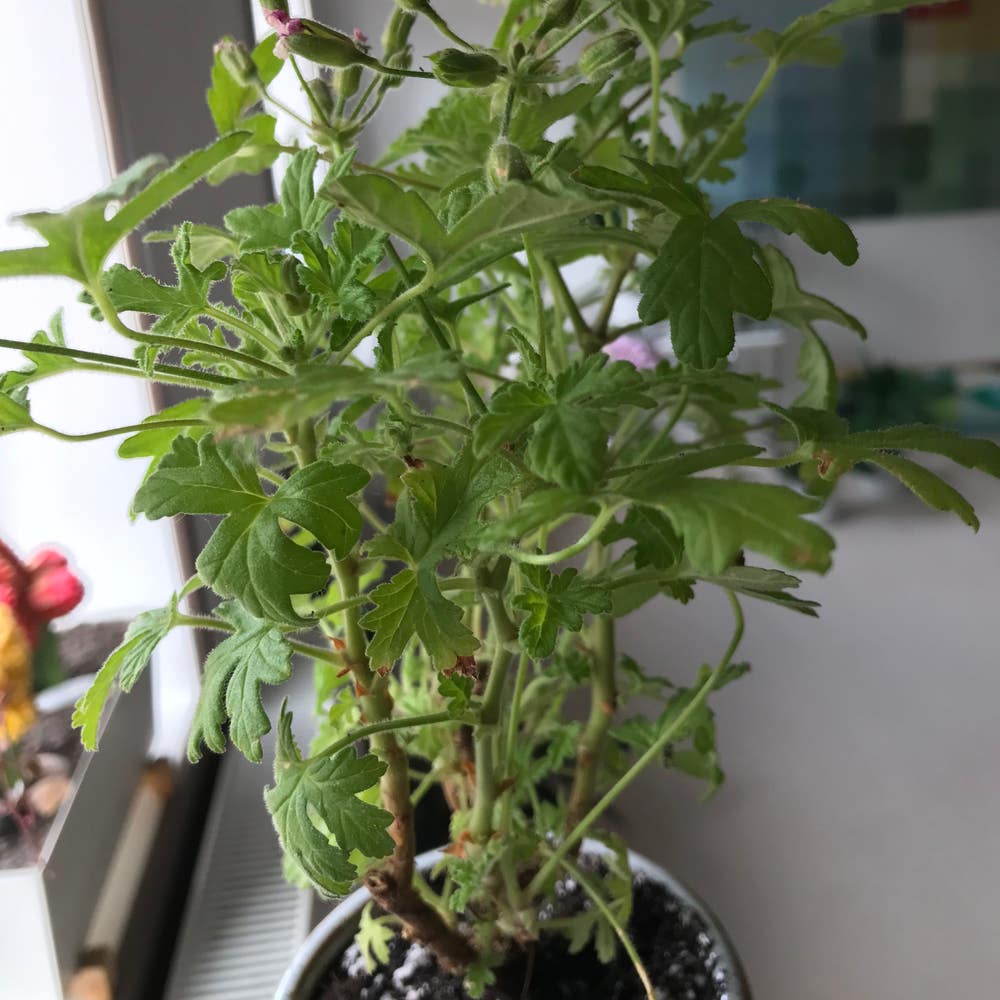
🔍 What to Do About Black Spots on Your Malva
Malva clementii
By the Greg Editorial Team
Nov 08, 2024•6 min read
This article was created with the help of AI so we can cover more plants for you. May contain errors. See one? Report it here.
- 🔍 Inspect Malva leaves regularly to identify black spots and assess plant health.
- 🌱 Use organic treatments like neem oil and baking soda for effective black spot control.
- 🌞💧 Maintain proper humidity and drainage to prevent black spots on Malva leaves.
Diagnosing Black Spots
🔍 Visual Inspection Techniques
To effectively diagnose black spots on your Malva, start with a close examination of the leaves. Check both the upper and lower surfaces for any discoloration or unusual textures.
Next, assess the overall health of the plant. Look for signs of wilting, stunted growth, or other stress indicators that could signal underlying issues.
Using a magnifying glass can be a game-changer. This tool helps you identify small pests or fungal spores that may not be visible to the naked eye.
🐞 Common Pests Associated with Black Spots
Aphids are notorious for causing black spots on leaves. Look for clusters of these small, green insects, as their feeding can severely impact leaf health.
Spider mites are another culprit. These tiny pests often leave fine webbing and cause yellowing or stippling on the leaves, indicating an infestation.
Whiteflies can also contribute to leaf discoloration. Their presence is often marked by a cloud of small, white insects that flutter away when the plant is disturbed.
🌧️ Environmental Factors Contributing to Leaf Spots
Humidity levels play a crucial role in the health of your Malva. Ideal humidity promotes growth, while excessive moisture can lead to fungal infections.
Soil drainage is equally important. Ensure your Malva is planted in well-draining soil to prevent root rot and stress, which can manifest as black spots.
Lastly, consider sunlight exposure. Too much shade can weaken the plant, while direct sunlight can scorch leaves, both leading to potential discoloration.
By understanding these diagnostic techniques and factors, you can take proactive steps to maintain the health of your Malva and prevent black spots from becoming a recurring issue.
Treatment Options for Black Spots
🌱 Organic Treatments for Fungal Infections
When dealing with black spots on your Malva, organic treatments can be both effective and gentle on the environment.
Neem Oil
Neem oil is a powerful natural fungicide. To apply, mix it with water according to the instructions on the label and spray it on the affected leaves every 7 to 14 days until the problem resolves.
Baking Soda Solution
A simple baking soda solution can help combat fungal infections. Mix one tablespoon of baking soda with a gallon of water, and spray it on the leaves, ensuring thorough coverage. Repeat this treatment every 7 to 10 days for best results.
Compost Tea
Compost tea is another excellent option for promoting plant health. Brew it by steeping compost in water for 24 to 48 hours, then strain and dilute it before applying to your plants. This nutrient-rich solution can help strengthen your Malva against diseases.
⚗️ Chemical Fungicides: When and How to Use
Sometimes, organic methods may not suffice, and chemical fungicides become necessary. Understanding how to use them effectively is crucial.
Types of Fungicides
Fungicides fall into two main categories: systemic and contact. Systemic fungicides are absorbed by the plant, providing long-lasting protection, while contact fungicides act on the surface and require more frequent applications.
Application Timing
Timing is everything when applying fungicides. The best times to treat your Malva are during early morning or late afternoon when temperatures are cooler, minimizing stress on the plant and maximizing effectiveness.
Safety Precautions
Always prioritize safety when using chemical treatments. Protect beneficial insects by applying fungicides when they are least active, and follow all label instructions carefully to avoid harming your plants or the environment.
🏡 Home Remedies for Treating Black Spots
If you prefer a more DIY approach, several home remedies can effectively treat black spots on your Malva.
Milk Spray
A milk spray is a simple yet effective remedy. Mix one part milk with two parts water and spray it on the affected leaves once a week. This can help reduce fungal growth and improve overall plant health.
Garlic and Pepper Spray
Garlic and pepper spray is another potent option. Blend a few cloves of garlic and a teaspoon of pepper with water, strain, and spray it on your plants. This concoction not only deters pests but also helps combat fungal infections.
Epsom Salt
Epsom salt can benefit your Malva by providing magnesium, which is essential for healthy leaf development. Dissolve a tablespoon in water and apply it to the soil around your plants every month to promote vibrant growth.
By exploring these treatment options, you can effectively manage black spots on your Malva and keep your plants thriving. Next, let’s delve into how to prevent these issues from arising in the first place.
Preventing Black Spots on Malva
🌱 Best Practices for Malva Care
Regular pruning is essential for maintaining the health of your Malva. By removing affected leaves, you not only improve air circulation but also reduce the risk of fungal infections spreading.
Crop rotation is another effective strategy. This practice helps to minimize disease buildup in the soil, ensuring your plants remain robust and healthy.
Choosing resistant varieties can make a significant difference too. Selecting Malva species known for their disease resistance can save you a lot of trouble down the line.
💧 Importance of Proper Watering Techniques
Establishing a consistent watering schedule is crucial. Aim to water your Malva at the right frequency and timing to prevent leaf wetness, which can lead to black spots.
Consider your watering techniques as well. Drip irrigation is often more effective than overhead watering, as it delivers moisture directly to the roots without wetting the leaves.
Monitoring soil moisture is vital. Keep an eye out for signs of overwatering, such as yellowing leaves, or underwatering, which can cause wilting.
🌍 Soil Health and Its Impact on Leaf Spots
Soil testing should be a regular part of your gardening routine. Understanding the pH and nutrient levels in your soil can help you create the ideal environment for your Malva.
Amending your soil with organic matter can significantly improve drainage and fertility. This practice not only nourishes your plants but also helps prevent root rot.
Don't underestimate the benefits of mulching. It aids in moisture retention and temperature regulation, creating a stable environment for your Malva to thrive.
By implementing these preventive measures, you can keep your Malva healthy and vibrant, reducing the likelihood of black spots. Next, let’s explore seasonal considerations to further enhance your plant care strategy.
Seasonal Considerations
Timing for Preventive Measures and Treatments 🌱
Early detection is crucial for managing black spots on your Malva. Regular monitoring during spring and summer helps catch issues before they escalate.
Scheduling treatments effectively can make a significant difference. Apply fungicides and organic remedies during dry periods when plants are less stressed for optimal results.
Post-harvest care is equally important. Preparing your Malva for winter can minimize disease risks and promote healthier growth in the spring.
Monitoring Malva During Different Growth Stages 👀
The seedling stage is particularly vulnerable to diseases and pests. Keep a close eye on young plants, as they can succumb quickly to stressors.
As your Malva matures, watch for signs of stress such as wilting or discoloration. Addressing these symptoms promptly can prevent further damage.
During the flowering stage, maintaining plant health is essential for optimal blooms. Healthy plants produce vibrant flowers, enhancing your garden's beauty and resilience.
By staying vigilant throughout these growth stages, you can ensure your Malva thrives year-round. This proactive approach sets the foundation for a flourishing garden, ready to face any seasonal challenges.
⚠️ Safety First
This content is for general information and may contain errors, omissions, or outdated details. It is not medical, veterinary advice, or an endorsement of therapeutic claims.
Always consult a qualified healthcare professional before using any plant as food, medicine, or supplement.
Never eat any plant (or feed one to pets) without confirming its identity with at least two trusted sources.
If you suspect poisoning, call Poison Control (800) 222-1222, the Pet Poison Helpline (800) 213-6680, or your local emergency service immediately.
Spotted an error? Please report it here.
Keep your Malva thriving 🌿 by using Greg's tailored watering reminders and organic treatment tips to tackle black spots before they spread!