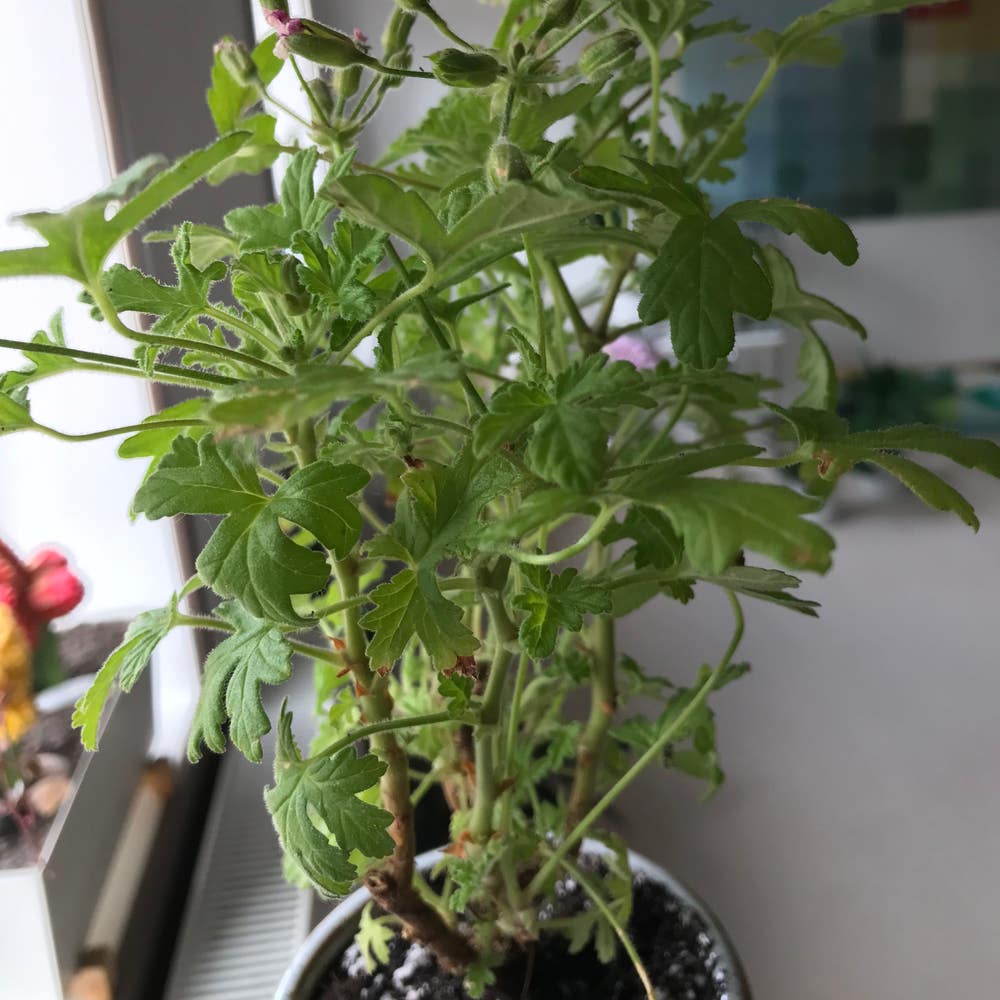
🌸 Top 5 Signs Your Malva Has Flower Problems
Malva clementii
By the Greg Editorial Team
Nov 08, 2024•5 min read
This article was created with the help of AI so we can cover more plants for you. May contain errors. See one? Report it here.
- 🌞 Malva needs 6-8 hours of sunlight daily for optimal blooming; adjust light exposure.
- 🌱 Nutritional deficiencies in nitrogen, phosphorus, and potassium can reduce blooms; fertilize wisely.
- ✂️ Prune in early spring to maximize flower production and prevent development issues.
Failure to Bloom
🌞 Potential Causes
Light Requirements
Malva plants thrive in full sun to partial shade, requiring 6-8 hours of sunlight daily. Insufficient sunlight can lead to reduced energy for photosynthesis, resulting in fewer blooms.
Nutritional Needs
A lack of essential nutrients, particularly nitrogen, phosphorus, and potassium, can hinder blooming. Additionally, poor soil quality may affect nutrient availability, further impacting flower production.
Pruning Techniques
Incorrect pruning timing can be detrimental; pruning too late in the season may remove potential flower buds. Over-pruning can also stress the plant, leading to a decrease in blooms.
🛠️ Solutions and Remedies
Adjusting Light Exposure
If your Malva isn't blooming, consider relocating it to a sunnier spot. Trimming surrounding plants that cast shade can also help increase sunlight exposure.
Nutrient Management
Applying a balanced fertilizer high in phosphorus can promote blooming. Conducting soil tests will help determine nutrient levels, allowing for appropriate amendments.
Pruning Best Practices
For optimal blooming, prune Malva in early spring before new growth begins. Focus on removing only dead or damaged stems to encourage healthy growth.
By addressing these potential causes and implementing effective solutions, you can help your Malva flourish and produce beautiful blooms. Next, let's explore the issue of premature flower drop and how to tackle it effectively.
Premature Flower Drop
🌪️ Common Triggers
Premature flower drop in Malva can be frustrating, but understanding the triggers can help you manage it effectively.
Environmental Stress
Temperature fluctuations are a significant factor. Sudden changes can shock the plant, leading to flower drop.
Inconsistent watering is another culprit. Overwatering or underwatering creates stress that can cause flowers to fall prematurely.
Pests
Pests like aphids and spider mites can wreak havoc on your Malva. These infestations weaken the plant, making it more susceptible to flower drop.
🛡️ Prevention and Treatment Strategies
Preventing premature flower drop involves careful management of environmental conditions and pest control.
Environmental Management
Start by maintaining consistent watering schedules. Using the Greg plant care app can help you remember when to water.
Protect your plants from extreme temperatures by applying mulch or using shade cloth. This simple step can create a more stable environment for your Malva.
Pest Control
Regularly inspect your plants for pests. If you spot any, treat them promptly with insecticidal soap or neem oil.
Consider introducing beneficial insects like ladybugs. They can help control aphid populations naturally, reducing the risk of flower drop.
By addressing these common triggers and implementing effective strategies, you can help your Malva thrive and enjoy a beautiful bloom season. Next, let’s explore abnormal flower development and what it signifies for your plants.
Abnormal Flower Development
Identifying Abnormal Growth Patterns 🌼
Abnormal flower development in Malva can manifest in various ways. You might notice flowers that are unusually shaped or sized, appearing deformed or stunted, which can be quite concerning.
Additionally, color variations may occur, where flowers do not exhibit their expected hues. These changes often indicate underlying stress factors affecting the plant's health.
Factors Influencing Flower Morphology 🌱
Nutritional imbalances are a significant contributor to abnormal flower development. For instance, excessive nitrogen can result in lush foliage but fewer blooms, leaving your Malva looking green yet unproductive.
On the flip side, deficiencies in micronutrients like magnesium or iron can severely impact flower quality. These nutrients are vital for healthy flower formation, and their absence can lead to disappointing results.
Environmental stressors also play a crucial role. Inconsistent watering practices can lead to malformed flowers, as plants struggle to adapt to fluctuating moisture levels.
Moreover, soil pH imbalances can hinder nutrient uptake, further complicating flower development. Maintaining a balanced pH is essential for ensuring your Malva thrives and produces beautiful blooms.
Understanding these factors can help you take proactive steps to support your Malva's flowering potential. By addressing nutritional needs and environmental conditions, you can encourage your plants to flourish and display their vibrant beauty.
Next, we will explore seasonal considerations for Malva flowering, focusing on how weather conditions impact their growth and bloom cycles.
Seasonal Considerations for Malva Flowering
🌦️ Impact of Weather Conditions
Weather plays a crucial role in the flowering of Malva. Ideal conditions for these plants include moderate temperatures ranging from 15°C to 25°C (59°F to 77°F) and balanced humidity levels.
Extreme weather can be detrimental. High heat or excessive humidity may lead to flower drop or hinder proper flower development, leaving your Malva looking less than its best.
🌡️ How Temperature and Humidity Affect Flowering
Malva thrives in a sweet spot of moderate temperatures. When conditions stray too far from this range, the plant can experience stress, impacting its ability to bloom beautifully.
Humidity also matters. Too much moisture can create a breeding ground for diseases, while too little can dry out the plant, both of which can affect flowering.
🛡️ Strategies for Protecting Malva During Adverse Weather
To safeguard your Malva from harsh weather, consider mulching. This technique helps retain soil moisture and regulates temperature, providing a buffer against extreme conditions.
Additionally, using temporary coverings like row covers or shade cloth can protect your plants during severe weather events. These simple strategies can make a significant difference in maintaining healthy blooms.
By understanding seasonal considerations and implementing protective measures, you can ensure your Malva flourishes throughout the growing season. Next, let’s explore how to identify and address abnormal flower development.
⚠️ Safety First
This content is for general information and may contain errors, omissions, or outdated details. It is not medical, veterinary advice, or an endorsement of therapeutic claims.
Always consult a qualified healthcare professional before using any plant as food, medicine, or supplement.
Never eat any plant (or feed one to pets) without confirming its identity with at least two trusted sources.
If you suspect poisoning, call Poison Control (800) 222-1222, the Pet Poison Helpline (800) 213-6680, or your local emergency service immediately.
Spotted an error? Please report it here.
Keep your Malva blooming beautifully by ensuring it gets the right light and nutrients, and let Greg help you nurture your flowers 🌸 with tailored care tips and reminders for thriving blooms!