🌼 Malva Is Not Considered a Weed
Malva clementii
By the Greg Editorial Team
Nov 08, 2024•4 min read
This article was created with the help of AI so we can cover more plants for you. May contain errors. See one? Report it here.
- 🌼 Malva is not invasive, promoting biodiversity without outcompeting native plants.
- 🌱 Thrives in various conditions, enhancing garden aesthetics and supporting local wildlife.
- 🌿 Supports sustainable gardening by improving soil health and attracting beneficial insects.
Plant Classification
Definition of Invasive Species 🌱
Invasive species are non-native plants that disrupt local ecosystems. They typically exhibit aggressive growth patterns, outcompeting native flora and causing negative ecological impacts.
These plants can quickly dominate landscapes, leading to reduced biodiversity. Their ability to thrive in various conditions often allows them to spread unchecked, making them a significant concern for gardeners and ecologists alike.
Characteristics that Differentiate Malva 🌼
Malva stands apart with its moderate growth rate and self-seeding nature. Unlike invasive species, it does not aggressively invade or overpower other plants.
This plant adapts well to different soil types and light conditions, thriving without overshadowing its neighbors. Its balanced growth behavior makes it a welcome addition to diverse garden settings.
Growth Habits of Malva
Typical Growth Patterns 🌱
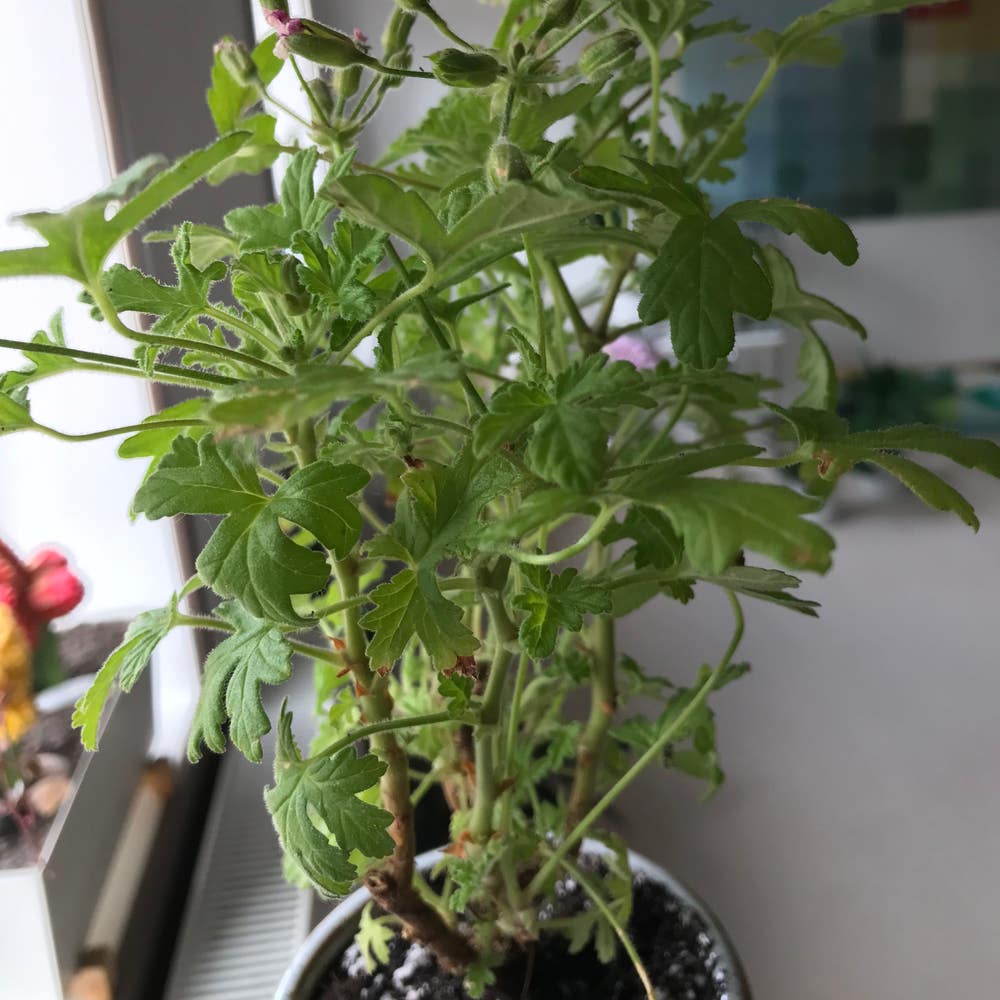
Malva plants typically reach heights of 1 to 3 feet, with a spread of about 2 feet. They bloom from late spring to early fall, showcasing vibrant flowers that attract attention and pollinators alike.
Ideal growth conditions for Malva include well-drained soil, full sun to partial shade, and moderate moisture levels. This adaptability allows Malva to thrive in various environments without overwhelming neighboring plants.
Natural Limits to Growth 🚧
Several factors naturally limit Malva's spread, including competition from more aggressive plants and varying environmental conditions. These limitations help maintain a balanced ecosystem in gardens.
Proper garden design can effectively manage Malva's growth. Techniques such as strategic planting and spacing can ensure that Malva complements rather than dominates the garden landscape.
Incorporating these practices not only enhances the aesthetic appeal but also supports the overall health of your garden. By understanding Malva's growth habits, you can create a thriving, diverse garden space.
Ecological Role of Malva
🌼 Benefits in Gardens and Ecosystems
Malva plays a vital role in enhancing biodiversity within gardens and ecosystems. By attracting beneficial insects and pollinators, such as bees and butterflies, it creates a thriving environment for various species.
Additionally, Malva contributes to soil health by adding organic matter as it decomposes. This process enriches the soil, promoting nutrient cycling and improving overall garden vitality.
🦋 Positive Interactions with Local Wildlife
Malva's presence supports local wildlife in numerous ways. Its flowers provide essential nectar and pollen, making it a favorite among pollinators.
Moreover, Malva serves as a habitat for various insects, which can help control pest populations naturally. By fostering these positive interactions, Malva enhances the ecological balance in gardens, making it a valuable addition to any landscape.
Incorporating Malva into your garden not only beautifies the space but also promotes a healthier ecosystem. As we explore garden management techniques, consider how Malva can fit into your design for a flourishing environment.
Garden Management
Incorporating Malva into Garden Designs 🌼
Malva is a versatile plant that can enhance your garden's aesthetics and health. Consider companion planting with vibrant flowers like marigolds or echinacea, which can attract beneficial insects while providing a stunning visual contrast.
For optimal placement, think about using Malva in borders or mixed beds. Its moderate growth allows it to coexist beautifully with other plants, making it an excellent choice for wildlife gardens where it can thrive alongside native species.
Techniques for Controlling Growth ✂️
Managing Malva's spread is straightforward and can be quite rewarding. Start with deadheading to encourage more blooms while preventing unwanted self-seeding.
Selective pruning can help maintain its shape and prevent overcrowding. Additionally, ensure proper spacing between plants to allow for air circulation and reduce competition, promoting a healthier garden environment.
By incorporating these techniques, you can enjoy the beauty of Malva while keeping it in check, ensuring it remains a cherished part of your garden.
Comparison to Other Plants
🌸 Unique Qualities of Malva
Malva is a standout plant known for its distinctive flower shape and vibrant color variations. Its blossoms can range from soft pinks to deep purples, making it a visually appealing addition to any garden.
Beyond aesthetics, Malva boasts medicinal uses that have been recognized for centuries. Traditionally, it has been used to soothe respiratory issues and promote skin health, showcasing its value beyond mere decoration.
🌿 Benefits of Choosing Malva
Incorporating Malva into your garden offers numerous advantages over invasive species. Unlike aggressive invaders, Malva grows at a moderate pace, allowing it to coexist peacefully with other plants.
Choosing Malva also supports sustainable gardening practices. By selecting this non-invasive species, you contribute to a healthier ecosystem, promoting biodiversity and enhancing the overall beauty of your garden.
As you consider your garden design, think about the positive impact Malva can have, not just on your space but on the environment as a whole. This plant is a perfect example of how beauty and utility can go hand in hand.
⚠️ Safety First
This content is for general information and may contain errors, omissions, or outdated details. It is not medical, veterinary advice, or an endorsement of therapeutic claims.
Always consult a qualified healthcare professional before using any plant as food, medicine, or supplement.
Never eat any plant (or feed one to pets) without confirming its identity with at least two trusted sources.
If you suspect poisoning, call Poison Control (800) 222-1222, the Pet Poison Helpline (800) 213-6680, or your local emergency service immediately.
Spotted an error? Please report it here.
Incorporate Malva into your garden for a blooming ecosystem 🌸 while using Greg's tailored care reminders to ensure it thrives alongside your other plants!