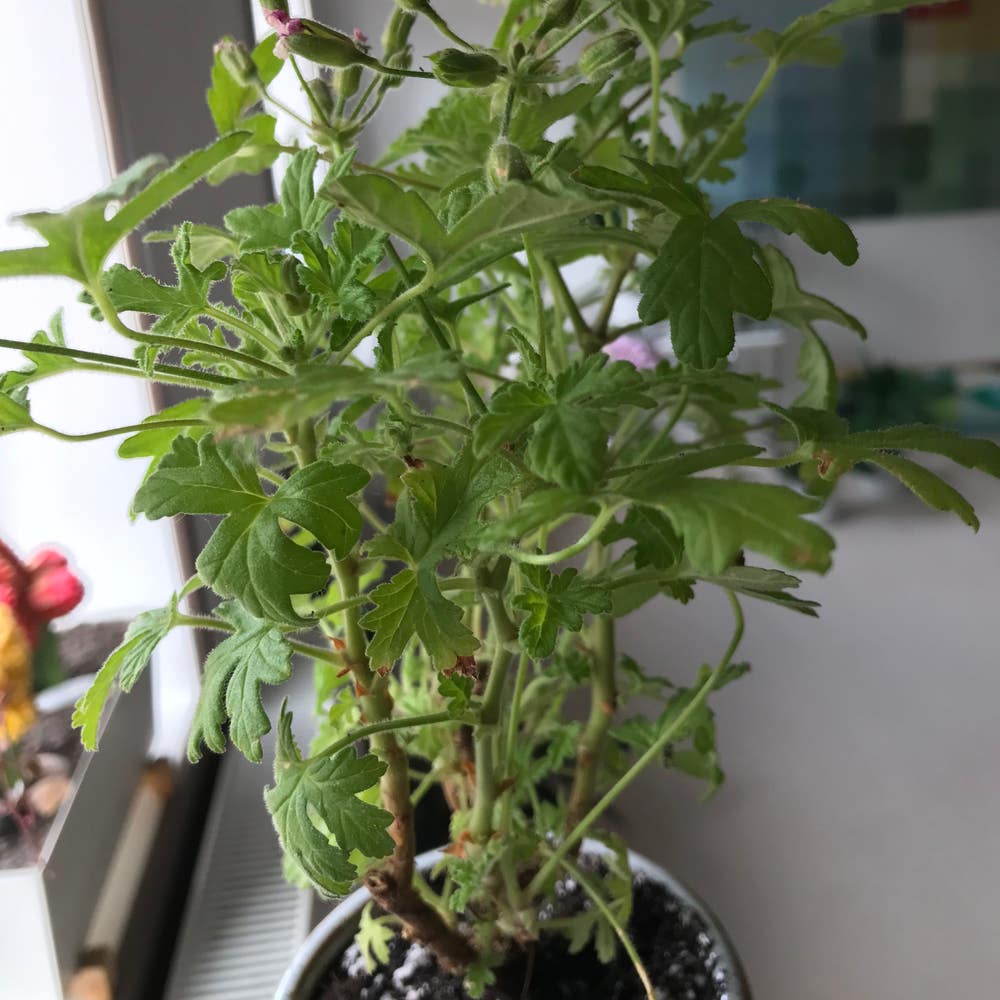
10 Tips for Growing Malva 🌼
Malva clementii
By the Greg Editorial Team
Nov 08, 2024•6 min read
This article was created with the help of AI so we can cover more plants for you. May contain errors. See one? Report it here.
- 🌞 Malva thrives in 6-8 hours of sunlight daily for optimal growth.
- 🌱 Well-drained, fertile soil with pH 6.0-7.5 is essential for Malva health.
- 🌿 Consistent moisture and mulching are key to preventing drought stress in Malva.
General Care for Malva
🌍 Choosing the Right Location
Sunlight Requirements
Malva thrives in full sun, requiring 6 to 8 hours of direct sunlight daily for optimal growth. While it can tolerate partial shade, this may impact flowering and overall vigor.
Climate Considerations
This plant prefers a temperate climate, ideally suited for USDA hardiness zones 3 to 9. However, Malva is adaptable; with the right care, it can flourish in various climates.
🌱 Soil Preparation
Ideal Soil Types and pH Levels
For healthy growth, Malva prefers well-drained, fertile loam. Aim for a soil pH between 6.0 and 7.5 to create the best conditions for your plants.
Soil Amendments and Drainage Tips
Incorporating organic matter, such as compost and well-rotted manure, is crucial for enriching the soil. Consider using raised beds and aeration techniques to enhance drainage and promote root health.
🌼 Planting Malva
Best Planting Times
Spring is the ideal time for planting Malva, timed according to local frost dates. If you’re working with perennial varieties, fall planting can also be beneficial, allowing them to establish before winter.
Spacing and Depth Considerations
To ensure proper air circulation, space your Malva plants 12 to 18 inches apart. When planting seeds or seedlings, aim for a depth of 1 to 2 inches to encourage healthy growth.
With the right location, soil preparation, and planting techniques, your Malva will be well on its way to thriving. Next, we’ll explore how to effectively water and fertilize your plants for continued success.
Watering and Fertilizing Malva
💧 Watering Needs and Frequency
Malva thrives on consistent moisture, so aim to keep the soil evenly damp. However, avoid waterlogging, as this can lead to root rot.
Watch for signs of overwatering, such as yellowing leaves and mushy roots. Conversely, if you notice wilting or dry leaf edges, your plants may be underwatered and in need of a drink.
🌱 Fertilization Techniques
Types of Fertilizers Suitable for Malva
For robust growth, use balanced NPK fertilizers that cater to different growth stages. Organic options like compost tea and fish emulsion can also provide essential nutrients without the harsh chemicals.
Timing and Application Methods
Plan your fertilization schedule for early spring and mid-summer to give your Malva a nutrient boost when it needs it most. You can choose between top dressing, where you sprinkle fertilizer on the soil surface, or liquid feeding, which involves mixing fertilizer with water for a quick nutrient uptake.
With the right watering and fertilization practices, your Malva will flourish beautifully. Next, let’s explore pruning and maintenance techniques to keep your plants healthy and vibrant.
Pruning and Maintenance
🌱 Pruning Techniques for Healthy Growth
Pruning is essential for maintaining the health and vigor of your Malva plants. The best time to prune is late winter or early spring, just before new growth begins.
⏰ When and How to Prune Malva
During this period, focus on deadheading spent flowers to encourage more blooms. Additionally, cut back any leggy growth to promote a bushier appearance and overall plant health.
🔄 Ongoing Care Routine
Maintaining your Malva involves more than just pruning; a solid care routine is crucial.
🌾 Mulching and Weed Control
Mulching offers significant benefits, including moisture retention and weed suppression. Using organic mulches like straw or wood chips not only enhances soil health but also keeps your garden looking tidy.
🌦️ Seasonal Care Adjustments
As seasons change, so should your care routine. Adjust watering and fertilization based on the climate and growth stage of your Malva to ensure optimal health throughout the year.
With these pruning and maintenance tips, your Malva will thrive, setting the stage for vibrant blooms and lush foliage. Next, let's explore common challenges and solutions to keep your plants flourishing.
Common Challenges and Solutions
🐛 Pests and Diseases Affecting Malva
Malva plants can face a few common pests that may disrupt their growth. Aphids and spider mites are two frequent offenders. Look for signs like curled leaves or webbing to identify these pests early.
To combat these nuisances, consider using organic control methods. Neem oil and insecticidal soap are effective options that can help keep your Malva healthy without harsh chemicals.
🌪️ Environmental Challenges
🌡️ Dealing with Extreme Weather Conditions
Extreme weather can pose significant challenges for Malva. During drought conditions, mulching is your best friend; it helps retain moisture in the soil.
Additionally, ensure you have a solid watering strategy. Water deeply but infrequently to encourage deep root growth, which will help your plants withstand dry spells.
❄️ Frost Protection
Frost can be detrimental to Malva, especially in colder climates. Covering your plants with frost cloth or using row covers can provide essential protection during unexpected cold snaps.
🌱 Soil Issues and How to Amend Them
🕳️ Compacted Soil Solutions
Compacted soil can hinder root growth and water absorption. To remedy this, consider aerating the soil and adding organic amendments like compost to improve its structure.
⚗️ Nutrient Deficiencies
Keep an eye out for signs of nutrient deficiencies, such as yellowing leaves or stunted growth. If you notice these symptoms, a balanced fertilizer can help restore your Malva's vitality.
By addressing these common challenges with proactive strategies, you can ensure your Malva thrives throughout the growing season. Next, let’s explore how to effectively grow Malva in containers and outdoor settings.
Container and Outdoor Growing
🌱 Growing Malva in Containers
Container Selection and Size
When growing Malva in containers, choose pots that are at least 12 inches in diameter. This size allows for adequate root development and ensures your plants have enough space to thrive.
Drainage is crucial for container gardening. Always select pots with drainage holes to prevent waterlogging, which can lead to root rot and other issues.
Care Tips for Potted Malva
Potted Malva requires more frequent watering than those planted in the ground. Check the soil regularly; it should remain consistently moist but not soggy.
Fertilization is also key for container-grown plants. Use a balanced fertilizer tailored for container plants to meet their specific nutrient needs, adjusting the frequency based on growth stages.
🌼 Outdoor Gardening Tips for Malva
Companion Planting Ideas
Companion planting can enhance the growth of Malva. Consider pairing it with marigolds, which can deter pests and attract beneficial insects.
Be mindful of plants that may compete with Malva for nutrients and space. Avoid planting it near aggressive growers that could overshadow or outcompete it.
Seasonal Considerations for Outdoor Growth
Preparing for winter is essential, especially for perennial Malva. Mulch around the base to protect roots from frost and retain moisture.
Timing is everything when it comes to planting. For optimal growth and flowering, align your planting schedule with seasonal changes, ensuring your Malva gets the best start possible.
With these tips, you can successfully grow Malva in containers or outdoors, ensuring vibrant blooms and healthy plants. Next, let’s explore common challenges and solutions to keep your Malva thriving.
⚠️ Safety First
This content is for general information and may contain errors, omissions, or outdated details. It is not medical, veterinary advice, or an endorsement of therapeutic claims.
Always consult a qualified healthcare professional before using any plant as food, medicine, or supplement.
Never eat any plant (or feed one to pets) without confirming its identity with at least two trusted sources.
If you suspect poisoning, call Poison Control (800) 222-1222, the Pet Poison Helpline (800) 213-6680, or your local emergency service immediately.
Spotted an error? Please report it here.
Cultivating thriving Malva 🌼 is easy with these tips, and Greg can help you succeed by providing tailored reminders and expert advice to keep your plants flourishing in the sun!