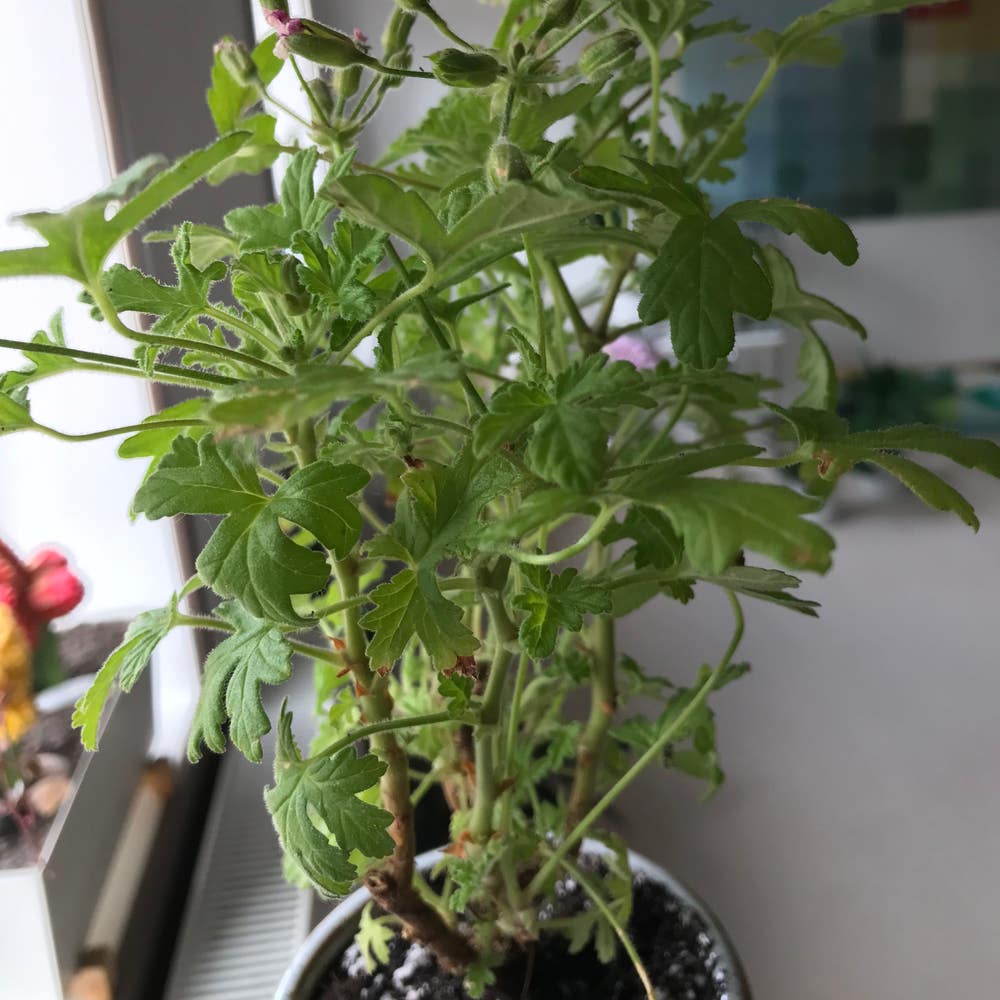
How to Cure Droopy Leaves on Your Malva 🍃
Malva clementii
By the Greg Editorial Team
Nov 08, 2024•6 min read
This article was created with the help of AI so we can cover more plants for you. May contain errors. See one? Report it here.
- 🌱 Droopy leaves indicate issues like overwatering, underwatering, or pests. Diagnose early!
- 💧 Adjust watering and soil for optimal pH and drainage to prevent droopiness.
- 🐛 Regular pest inspections are crucial; use organic methods for effective control.
Causes of Droopy Leaves
Droopy leaves on your Malva can be a sign of various underlying issues. Understanding these causes is crucial for restoring your plant's health.
💧 Overwatering and Its Effects
Overwatering is a common culprit behind droopy leaves. Symptoms include yellowing leaves, mushy stems, and, of course, drooping.
When the roots are submerged in too much water, they can suffer from root rot and reduced oxygen availability. To remedy this, allow the soil to dry out completely before rewatering.
🚰 Underwatering and Dehydration
On the flip side, underwatering can also lead to droopy leaves. Signs of dehydration include crispy, dry leaves and wilting.
Consistent moisture is vital for optimal leaf health. If you notice these symptoms, increase your watering frequency and regularly check the soil moisture.
🌱 Soil Quality and Drainage Issues
The quality of your soil plays a significant role in your Malva's health. Ideal conditions include well-draining, fertile soil with a pH of 6.0 to 7.0.
Compacted or poor-quality soil can lead to water retention and root suffocation. To improve drainage, consider amending the soil with organic matter.
🌡️ Environmental Stress Factors
🌡️ Temperature
Temperature fluctuations can stress your Malva. The optimal range is between 15°C to 25°C (59°F to 77°F).
Extreme temperatures can cause leaf droop due to heat stress or cold shock. Monitor your plant's environment to keep it within this range.
💨 Humidity
Humidity levels also affect your Malva's health. Ideally, maintain moderate humidity between 40%-60%.
Low humidity can increase transpiration, leading to droopy leaves. To combat this, use humidity trays or mist your plants regularly.
🐛 Pest Infestations
🐜 Aphids
Aphids are small pests that can wreak havoc on your Malva. Signs of infestation include sticky residue, curled leaves, and visible insects.
These pests deplete nutrients, leading to droopiness. To manage them, introduce beneficial insects or apply insecticidal soap.
🕷️ Spider Mites
Spider mites are another potential threat. Look for fine webbing and stippled leaves as signs of infestation.
These pests can reduce your plant's vigor and cause drooping. Increasing humidity and applying miticides can help control spider mite populations.
Understanding these causes is the first step toward reviving your Malva. Next, we’ll explore how to diagnose droopy leaves effectively.
Diagnosing Droopy Leaves
🌿 Visual Signs of Droopiness
Droopy leaves can be a clear indicator that your Malva is in distress. Look for characteristics like a noticeable bend in the leaf stem or leaves that appear limp and lifeless.
Understanding the severity of droopiness is crucial. If the leaves are yellowing and mushy, it may signal overwatering, while crispy, dry leaves often point to underwatering.
💧 Assessing Soil Moisture Levels
To determine if your Malva is getting the right amount of water, check the soil moisture. You can use the finger test—simply stick your finger into the soil up to your second knuckle.
Alternatively, a moisture meter can provide a more accurate reading. Ideally, the soil should be consistently moist but not soggy, allowing for healthy root development.
🐛 Checking for Pests and Diseases
Regular inspections are key to maintaining your plant's health. Look for visible signs of pests, such as sticky residue or webbing, and check for any unusual leaf discoloration.
Early detection of pests and diseases can make all the difference. The sooner you identify an issue, the easier it is to manage and treat effectively.
🌞 Evaluating Environmental Conditions
Assessing your Malva's environment is essential for its well-being. Ensure your plant receives adequate sunlight, ideally 6-8 hours daily, to promote healthy growth.
Additionally, monitor temperature and humidity levels. Adjust these conditions as needed to create a comfortable environment for your Malva, preventing stress that can lead to droopy leaves.
By diagnosing these factors, you can take proactive steps to restore your Malva's vitality. Next, let’s explore how to treat those droopy leaves effectively.
Treating Droopy Leaves
🌊 Step-by-Step Guide to Adjusting Watering Practices
To revive your Malva, start by checking the soil moisture. Use a moisture meter or simply stick your finger into the soil to gauge its dampness.
If you discover overwatering, allow the soil to dry out completely before you water again. Conversely, if the soil feels dry and crumbly, gradually increase your watering frequency until you achieve consistent moisture.
🏞️ Soil Amendment Techniques for Better Drainage
Improving soil drainage is crucial for healthy Malva. Consider adding amendments like perlite, sand, or compost to enhance soil quality.
To amend the soil, mix these materials into the top 6-8 inches of soil. This will help create a well-draining environment that promotes root health.
🐞 Pest Control Methods
Organic Options
For pest control, organic options like neem oil and insecticidal soap can be effective. Apply these treatments according to the instructions, typically every 7-14 days, to keep pests at bay.
Chemical Options
If pests persist, consider using recommended chemical pesticides that are safe for Malva. Always follow application guidelines to ensure the health of your plant while effectively managing infestations.
🦠 Treatment Options for Diseases Affecting Malva
Identifying specific diseases is essential for effective treatment. Look for symptoms such as discoloration or unusual spots on leaves.
Once identified, apply the appropriate fungicides or bactericides, paying attention to the timing and methods recommended for each product. This proactive approach can help restore your Malva to its vibrant self.
With these treatment strategies in place, your Malva can bounce back from droopiness. Next, let’s explore how to prevent future droopiness and keep your plant thriving.
Preventing Future Droopiness
🌊 Best Practices for Watering Malva
Establishing a consistent watering schedule is crucial for keeping your Malva healthy. Aim to water when the top inch of soil feels dry, ensuring the plant receives adequate moisture without becoming waterlogged.
Using the Greg plant care app can be a game-changer. This handy tool sends reminders tailored to your plant's needs, helping you maintain that perfect watering routine.
🌱 Soil Preparation and Maintenance Tips
Regular soil testing is essential for optimal plant health. Check the pH and nutrient levels to ensure your Malva thrives in the best conditions.
Rotating planting locations can also prevent soil depletion. This practice not only enriches the soil but also keeps your plants energized and ready to flourish.
🐞 Regular Pest Monitoring and Control
Setting up a pest monitoring schedule is a proactive way to protect your Malva. Conduct weekly checks for signs of infestation, catching any issues before they escalate.
Implementing integrated pest management strategies will keep your plants safe and healthy. This approach combines various methods, ensuring you tackle pests effectively while minimizing harm to beneficial insects.
By following these preventive measures, you can enjoy vibrant, droopy-free Malva for years to come. Next, let’s explore how to treat droopy leaves effectively when they do occur.
⚠️ Safety First
This content is for general information and may contain errors, omissions, or outdated details. It is not medical, veterinary advice, or an endorsement of therapeutic claims.
Always consult a qualified healthcare professional before using any plant as food, medicine, or supplement.
Never eat any plant (or feed one to pets) without confirming its identity with at least two trusted sources.
If you suspect poisoning, call Poison Control (800) 222-1222, the Pet Poison Helpline (800) 213-6680, or your local emergency service immediately.
Spotted an error? Please report it here.
Keep your Malva droopy-free 🌱 by using Greg's tailored watering reminders and pest management tips to ensure it thrives with the care it deserves!