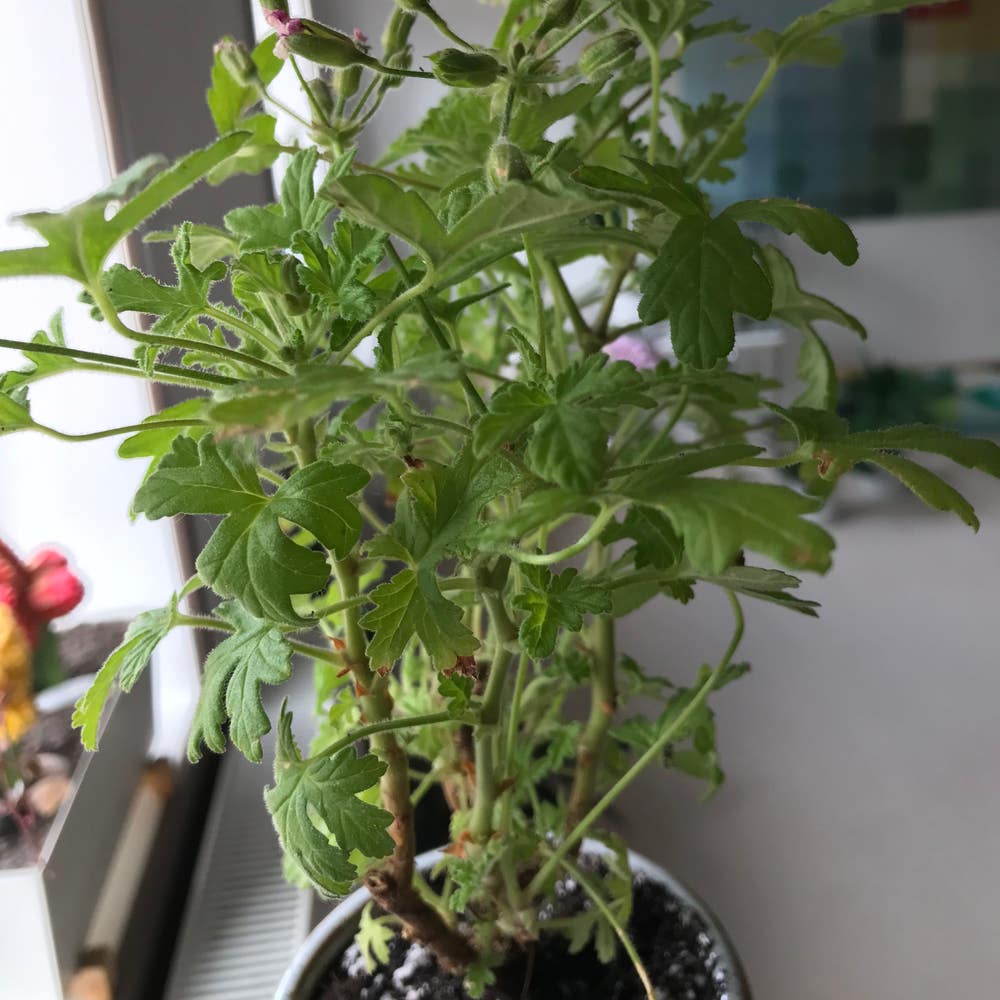
🌼 4 Advantages of Having a Malva
Malva clementii
By the Greg Editorial Team
Nov 08, 2024•4 min read
This article was created with the help of AI so we can cover more plants for you. May contain errors. See one? Report it here.
- 🌼 Malva enhances gardens with vibrant blooms and supports pollinators like bees and butterflies.
- 🌱 Rich in vitamins A and C, Malva offers nutritional benefits and soothing medicinal properties.
- 🌍 Planting Malva promotes biodiversity, improving soil health and contributing to ecological balance.
Health Benefits
🌿 Edible Properties
Malva is not just a pretty face in the garden; it packs a nutritional punch. Rich in vitamins A and C, antioxidants, and dietary fiber, these vibrant leaves and flowers can enhance your diet significantly.
Incorporating Malva into your meals is easy and delicious. Use the leaves and flowers in salads, brew them into teas, or add them as a colorful garnish to various dishes.
💊 Medicinal Properties
Traditionally, Malva has been celebrated for its soothing properties. It’s known to help with respiratory issues and promote digestive health, making it a valuable addition to your wellness routine.
To harness these health benefits, consider preparing herbal remedies like teas and infusions. Simply steep the leaves or flowers in hot water to create a soothing drink that can support your overall well-being.
With these health benefits in mind, you can see how Malva is more than just a garden plant; it’s a versatile ally for your health. Next, let’s explore the aesthetic appeal of Malva and how it can enhance your garden's beauty.
Aesthetic Appeal
🌸 Visual Impact
Malva is renowned for its vibrant, showy flowers that can brighten any garden. These blooms come in a variety of colors, including pink, purple, and white, creating a stunning visual display that draws the eye.
Seasonal blooming is another highlight of Malva. As it flourishes throughout the growing season, it continuously enhances garden aesthetics, providing a splash of color from spring to fall.
🌿 Garden Design
One of the standout features of Malva is its versatility in garden layouts. It works beautifully in borders, where its height can create a lovely backdrop for shorter plants.
Additionally, Malva shines in mixed beds, adding texture and color. It can also serve as a focal point, drawing attention and admiration from anyone who strolls through your garden.
Incorporating Malva into your garden design not only elevates its beauty but also fosters a lively, inviting atmosphere.
Environmental Benefits
Attracting Pollinators 🐝
Malva plays a crucial role in supporting bee and butterfly populations. These pollinators are essential for the overall health and productivity of your garden.
Pollinators help with the fertilization of plants, leading to better fruit and seed production. By planting Malva, you create a welcoming environment for these beneficial insects, enhancing biodiversity.
Soil Health Improvement 🌱
Malva contributes significantly to soil health through its deep root system. These roots aerate the soil, improving drainage and allowing for better water retention.
Healthy soil is the foundation of a thriving garden. By incorporating Malva, you not only support pollinators but also enrich the earth beneath your plants, fostering a more vibrant ecosystem.
As you consider the benefits of Malva, remember that its positive impact extends beyond aesthetics and health. The environmental advantages make it a valuable addition to any garden.
Cultural Significance
Folklore and Traditions 🌸
Malva, often celebrated for its beauty, carries rich symbolism across various cultures. It represents beauty, love, and healing, making it a cherished plant in folklore.
In many traditions, Malva is associated with love and affection. Its vibrant flowers are often given as tokens of love, symbolizing deep emotional connections.
Moreover, Malva has been used in healing practices for centuries. Many cultures regard it as a plant that promotes health and well-being, linking it to restorative properties.
This cultural significance adds depth to the experience of growing Malva in your garden. It’s not just a plant; it’s a connection to history and tradition, enriching your gardening journey.
As you cultivate Malva, you’re not only enhancing your space but also embracing a piece of cultural heritage. This connection can inspire a deeper appreciation for the beauty and benefits of this remarkable plant.
Next, let’s explore how Malva contributes to pest control and biodiversity in your garden.
Pest Control and Biodiversity
🌿 Natural Pest Deterrent
Malva is more than just a pretty face in the garden; it plays a crucial role in pest control. By attracting beneficial insects, such as ladybugs and lacewings, Malva helps keep harmful pests at bay.
These beneficial insects are natural predators of common garden nuisances like aphids and spider mites. With Malva in your garden, you create a welcoming environment for these allies, reducing the need for chemical pesticides.
🦋 Enhancing Biodiversity
Incorporating Malva into your garden not only beautifies the space but also enhances biodiversity. This plant contributes to a balanced ecosystem by providing food and habitat for various insects and wildlife.
A diverse garden is more resilient and productive. By supporting a range of species, Malva helps maintain ecological balance, ensuring that your garden thrives year-round.
With its dual role in pest control and biodiversity enhancement, Malva is a valuable addition to any garden. Next, let’s explore its cultural significance and the rich traditions surrounding this remarkable plant.
⚠️ Safety First
This content is for general information and may contain errors, omissions, or outdated details. It is not medical, veterinary advice, or an endorsement of therapeutic claims.
Always consult a qualified healthcare professional before using any plant as food, medicine, or supplement.
Never eat any plant (or feed one to pets) without confirming its identity with at least two trusted sources.
If you suspect poisoning, call Poison Control (800) 222-1222, the Pet Poison Helpline (800) 213-6680, or your local emergency service immediately.
Spotted an error? Please report it here.
Transform your garden with the vibrant beauty of Malva 🌸, and let Greg guide you with tailored care tips to ensure this nutritious plant thrives while supporting pollinators and enriching your meals!