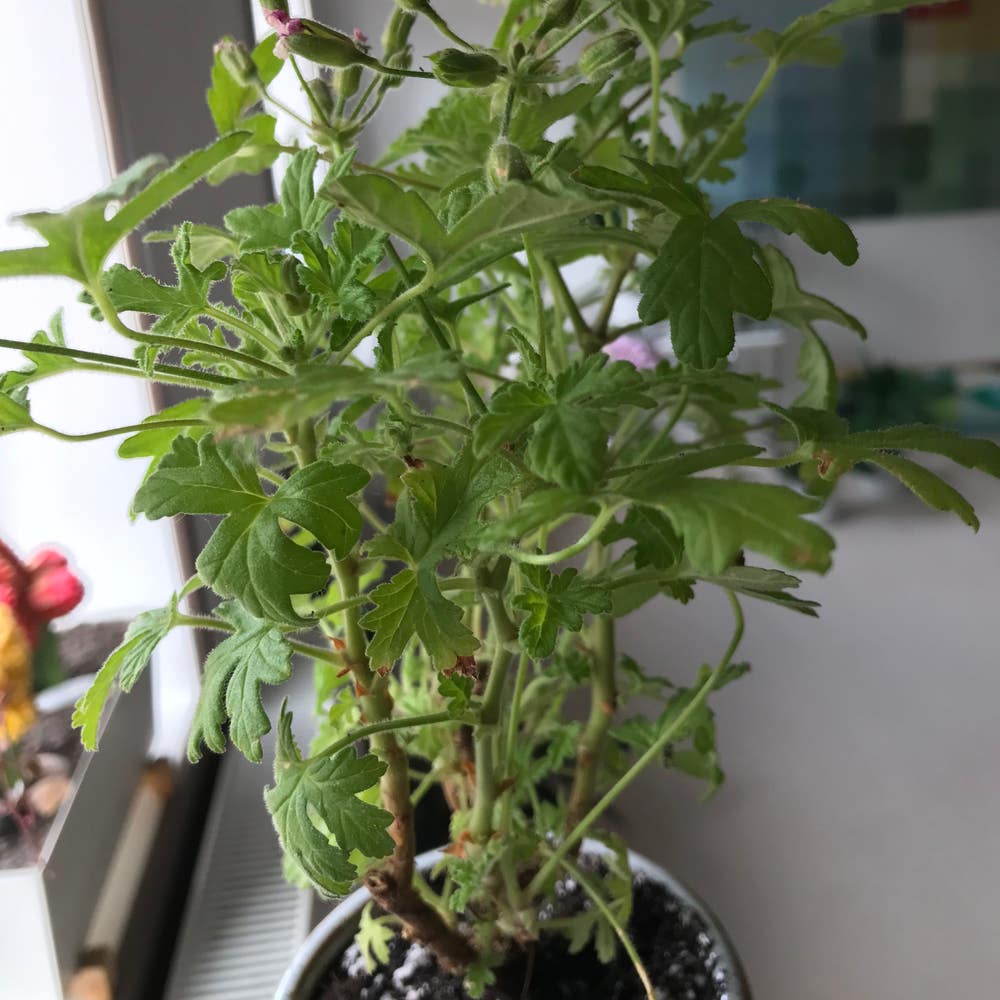
🔍 Ultimate Guide to Fixing Brown Spots on Malva
Malva clementii
By the Greg Editorial Team
Nov 08, 2024•7 min read
This article was created with the help of AI so we can cover more plants for you. May contain errors. See one? Report it here.
- 💧 Proper watering prevents root rot; let soil dry slightly between waterings.
- ☀️ Malva needs 6+ hours of sunlight; adjust placement if browning occurs.
- 🐛 Inspect weekly for pests; early detection is key to maintaining plant health.
Diagnosing the Problem
🌊 Assessing Watering Practices and Soil Moisture
Understanding how to water your Malva correctly is crucial for its health. Aim for a watering schedule that allows the soil to dry slightly between waterings, typically every 5 to 7 days, depending on the weather.
Signs of Overwatering
Overwatering can lead to root rot and yellowing leaves. If you notice these symptoms, it’s time to reassess your watering habits.
Signs of Underwatering
On the flip side, underwatering manifests as wilting and browning edges on leaves. Keep an eye out for these signs to ensure your plant stays hydrated.
💧 Soil Moisture Testing Methods
To maintain optimal soil moisture, consider using a moisture meter. This handy tool provides an accurate reading of the soil's moisture level, helping you avoid both over and underwatering.
Hand Test
Alternatively, you can perform a simple hand test. Stick your finger about an inch into the soil; if it feels dry, it’s time to water.
☀️ Evaluating Sunlight Exposure and Its Effects
Malva thrives in full sun but can tolerate partial shade. Ideally, aim for at least 6 hours of direct sunlight daily to promote healthy growth.
Signs of Too Much Sun
If your Malva shows signs of leaf scorch or browning, it may be getting too much sun. Adjusting its placement can help mitigate these issues.
🏡 Adjusting Plant Placement for Better Health
Consider the layout of your garden. Placing Malva in an area that receives morning sun and afternoon shade can provide a balanced environment.
Seasonal Adjustments
As seasons change, so should your plant's location. Be mindful of shifting sunlight patterns to keep your Malva thriving year-round.
🐛 Checking for Pest Infestations and Their Signs
Pests can wreak havoc on your Malva if left unchecked. Common culprits include aphids and spider mites, both of which can cause significant damage.
Aphids
Look for small, green or black insects clustered on new growth. Their presence often leads to distorted leaves and stunted growth.
Spider Mites
These tiny pests can be harder to spot but look for fine webbing on the undersides of leaves. Yellowing leaves can also indicate their presence.
🔍 Inspection Techniques
Regular checks are essential for early pest detection. Aim to inspect your plants at least once a week to catch any infestations early.
Tools for Pest Identification
A magnifying glass can help you spot smaller pests, while sticky traps can catch flying insects. These tools make pest management much easier.
⚠️ Recognizing Fungal and Bacterial Infections
Fungal diseases are common in Malva, often appearing as dark spots on leaves. Identifying these fungi early can help you take appropriate action.
Conditions That Promote Fungal Growth
High humidity and excessive moisture create a breeding ground for fungi. Ensure good air circulation around your plants to minimize these risks.
Bacterial Infections
Bacterial leaf spot can be mistaken for fungal issues. Look for water-soaked spots that turn brown; these indicate a bacterial problem.
🧴 Treatment Options for Bacterial Infections
To manage bacterial infections, remove affected leaves immediately. This helps prevent the spread and keeps your plant healthier.
With a solid understanding of diagnosing problems, you’re well-equipped to tackle any issues your Malva may face. Next, let’s explore how to treat those pesky brown spots effectively.
Treating Brown Spots on Malva
🌱 Step-by-Step Guide to Treating Brown Spots
Treating brown spots on Malva requires a systematic approach. Start by identifying the cause, whether it's environmental factors or biological issues.
Next, adjust your watering practices based on your diagnosis. Overwatering or underwatering can both lead to brown spots, so ensure your watering routine aligns with the plant's needs.
Once you've made adjustments, remove any affected leaves. Use proper pruning techniques to minimize stress on the plant.
Finally, apply appropriate treatments. This could involve fungicides or natural remedies, depending on the severity of the issue.
🧪 Recommended Fungicides and Treatments for Malva
When it comes to chemical options, several fungicides are suitable for Malva. Look for those specifically designed to combat leaf spots.
Application methods are crucial for effectiveness. Follow the manufacturer's instructions closely to ensure proper coverage and absorption.
Safety precautions are also important. Protect beneficial insects and nearby plants by applying fungicides during times when pollinators are less active.
For those preferring organic alternatives, consider natural treatments for leaf spots. Homemade sprays can be effective and are often easy to prepare.
🍃 Natural Remedies for Leaf Spot Issues
Common household remedies can be surprisingly effective. A baking soda solution is a popular choice; mix one tablespoon of baking soda with water and spray it on affected areas.
Neem oil is another excellent option. It not only treats existing issues but also helps prevent future infestations. Apply it according to the instructions on the label for the best results.
Preventative natural treatments can also make a difference. Companion planting with species that deter pests can create a healthier environment for your Malva.
✂️ Pruning Affected Leaves: When and How
Pruning is essential for maintaining the health of your Malva. Use clean and sharp shears to make precise cuts, which helps prevent further stress to the plant.
Timing is crucial for effective pruning. Aim to prune during the early morning or late afternoon to minimize exposure to harsh sunlight.
When cutting, pay attention to angles and methods that reduce stress on the plant. Dispose of pruned material properly to prevent the spread of disease.
By following these steps, you can effectively treat and prevent brown spots on your Malva, ensuring it remains vibrant and healthy. Next, let’s explore how to prevent future issues with best practices for watering and maintenance.
Preventing Future Issues
🌊 Best Practices for Watering Malva
Establishing a consistent watering routine is crucial for Malva's health. Adjust the frequency based on the season and weather conditions to ensure your plants thrive.
For deep watering, aim to saturate the soil thoroughly, allowing roots to absorb moisture effectively. This technique promotes strong root development, which is essential for overall plant vigor.
Signs of proper watering include vibrant leaf color and steady growth. Healthy Malva plants will exhibit lush foliage, indicating that your watering practices are on point.
🪴 Soil Amendments to Improve Drainage and Health
Choosing the right soil type is vital for Malva's success. Aim for a loamy, well-draining composition that allows for adequate moisture retention without becoming waterlogged.
Consider adding amendments like perlite, compost, or sand to enhance drainage and soil health. These materials improve aeration and nutrient availability, creating an ideal environment for your plants.
Regularly testing soil health is also important. Check pH and nutrient levels to ensure your Malva is receiving the right balance for optimal growth.
☀️ Sunlight Requirements and Optimal Placement
Understanding Malva's light needs can significantly impact its health. Ideally, these plants thrive in full sun but can tolerate partial shade, especially in hotter climates.
Adjusting plant placement according to seasonal changes is essential. Repositioning your Malva can help avoid shaded areas that may lead to leaf spot issues.
🔍 Regular Maintenance Tips to Prevent Leaf Spots
Routine inspections are key to catching potential problems early. Aim to check your plants weekly for any signs of distress or disease.
Seasonal care adjustments will help tailor your approach to Malva's growth cycles. Be proactive in modifying your care routine to align with the changing seasons.
Lastly, maintaining cleanliness in your garden is crucial. Keeping the area tidy helps prevent the spread of diseases and promotes a healthier environment for your Malva plants.
With these preventive measures in place, your Malva will be well-equipped to flourish, minimizing the risk of brown spots and other issues. Next, let’s explore the step-by-step guide to treating any brown spots that may arise.
⚠️ Safety First
This content is for general information and may contain errors, omissions, or outdated details. It is not medical, veterinary advice, or an endorsement of therapeutic claims.
Always consult a qualified healthcare professional before using any plant as food, medicine, or supplement.
Never eat any plant (or feed one to pets) without confirming its identity with at least two trusted sources.
If you suspect poisoning, call Poison Control (800) 222-1222, the Pet Poison Helpline (800) 213-6680, or your local emergency service immediately.
Spotted an error? Please report it here.
Keep your Malva healthy and spot-free 🌿 by using Greg's tailored watering reminders and pest alerts to ensure your plant thrives with ease!