🔍 Identifying What is Eating Your Hoya 'Sumatra'
Hoya caudata 'Sumatra'
By the Greg Editorial Team
Sep 28, 2024•6 min read
This article was created with the help of AI so we can cover more plants for you. May contain errors. See one? Report it here.
Safeguard your Hoya 'Sumatra' from pesky herbivores while inviting beneficial pollinators for a flourishing garden! 🌱
- 🌱 Hoya 'Sumatra' attracts herbivores due to its thick leaves and fragrant flowers.
- 🦌 Deer, rabbits, and squirrels pose significant threats; use repellents and fencing to deter them.
- 🐦 Birds can damage flowers; protect them with netting and reflective objects.
Most Appealing Parts to Animals
Description of Appearance 🌿
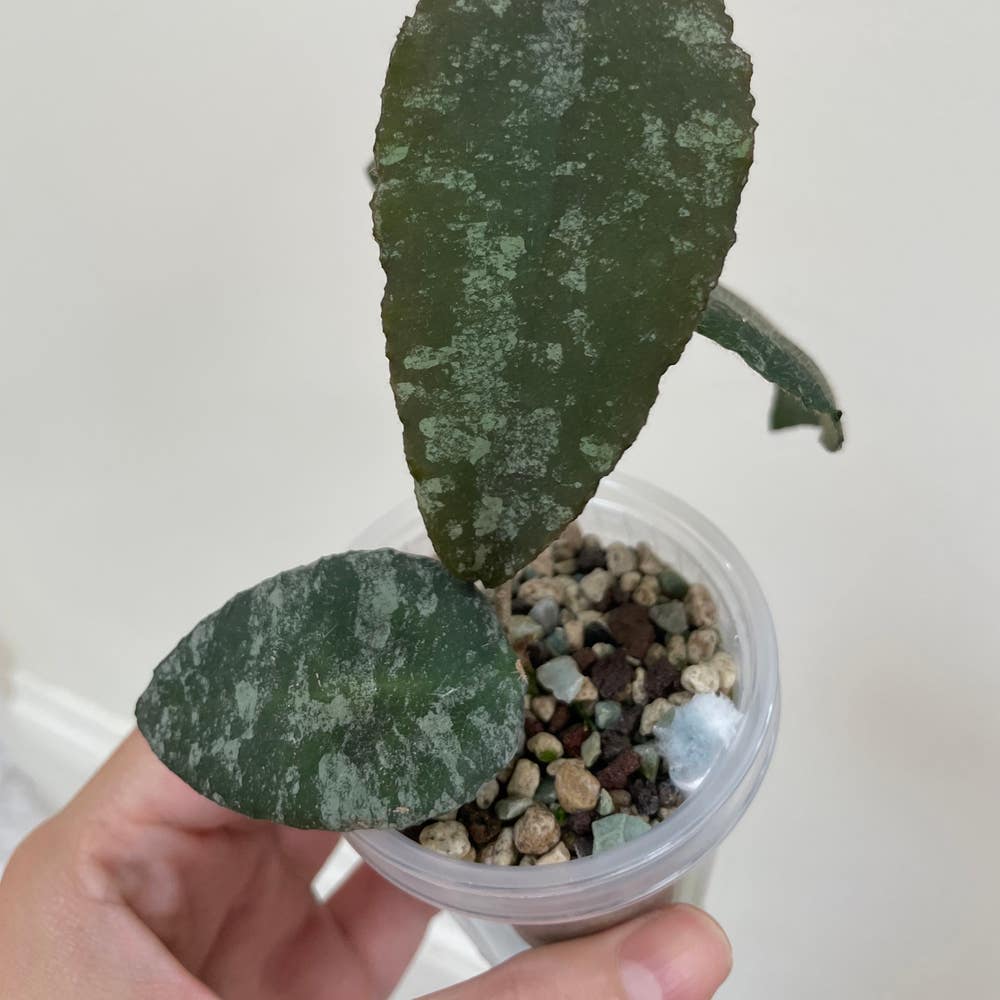
Hoya 'Sumatra' boasts thick, waxy leaves that are a deep, glossy green. These leaves not only look stunning but also serve as a tempting treat for various herbivores.
The plant's fragrant, star-shaped flowers bloom in clusters, adding to its allure. These blooms attract not just pollinators but also animals looking for a tasty snack.
Young shoots are particularly appealing due to their tender texture and high moisture content. This combination makes them irresistible to many hungry critters.
Understanding these attractive features can help you protect your Hoya 'Sumatra' from potential herbivores. By recognizing what draws animals in, you can take proactive steps to safeguard your plant's health.
Common Herbivores Affecting Hoya 'Sumatra'
🦌 Deer
Signs of Presence and Damage Caused
Deer can be a significant threat to your Hoya 'Sumatra.' Look for hoof prints in muddy areas and signs of browsing on leaves and young shoots, which can lead to stunted growth.
Beneficial or Harmful Interaction
Interactions with deer are generally harmful. If left unmanaged, they can decimate plant populations, making it crucial to implement protective measures.
Deterrent Methods (Difficulty: Moderate)
To deter deer, consider using commercial deer repellents. Organic methods like erecting 8-foot tall fences or planting deer-resistant plants nearby can also be effective.
🐇 Rabbits
Signs of Presence and Damage Caused
Rabbits leave small, round droppings near your plant. They often gnaw on stems and leaves, creating clean cuts that can severely impact the plant's health.
Beneficial or Harmful Interaction
Rabbits are generally harmful to Hoya 'Sumatra.' Their feeding habits can significantly reduce plant vigor, making them a pest to watch out for.
Deterrent Methods (Difficulty: Easy)
Bitter-tasting sprays can act as effective chemical deterrents against rabbits. For organic solutions, consider fencing that is 2-3 feet high or using repellents like garlic or hot pepper spray.
🐿️ Squirrels
Signs of Presence and Damage Caused
Squirrels can be quite destructive, leaving chewed leaves and stems scattered around. They may also strip bark and nibble on flowers, compromising the plant's health.
Beneficial or Harmful Interaction
Interactions with squirrels are generally harmful. Their activities can weaken the plant and affect flowering, which is a concern for any gardener.
Deterrent Methods (Difficulty: Moderate)
Commercial squirrel repellents can help keep these critters at bay. Additionally, scare tactics like reflective tape or noise-making devices can be effective organic methods.
🐦 Birds
Signs of Presence and Damage Caused
Birds can leave droppings on leaves and peck marks on flowers. Their feeding on nectar and flowers may reduce pollination, impacting overall plant health.
Beneficial or Harmful Interaction
Birds present a mixed bag. While some are beneficial pollinators, others can cause damage that affects the plant's vitality.
Deterrent Methods (Difficulty: Easy)
Typically, no chemical deterrents are used for birds. Organic methods like netting to protect flowers or using reflective objects can help deter unwanted feeding.
🐭 Rodents (Mice, Voles, etc.)
Signs of Presence and Damage Caused
Rodents leave small holes in the soil and droppings near the base of the plant. Their gnawing on roots and stems can lead to significant plant instability.
Beneficial or Harmful Interaction
Rodents are generally harmful. Their feeding habits can cause considerable damage to your Hoya 'Sumatra.'
Deterrent Methods (Difficulty: Moderate)
Using rodent bait stations can be an effective chemical deterrent. For organic solutions, traps or planting mint and other deterrent plants nearby can help.
🦡 Groundhogs/Woodchucks
Signs of Presence and Damage Caused
Look for large burrows near your plant and droppings as signs of groundhogs. They can cause severe defoliation by heavily browsing on leaves and stems.
Beneficial or Harmful Interaction
Groundhogs are generally harmful. They can completely strip the plant, making them a serious threat.
Deterrent Methods (Difficulty: Hard)
Commercial repellents can deter groundhogs, but organic methods like 3-4 feet high fencing or motion-activated sprinklers may be necessary for effective protection.
In summary, understanding the common herbivores that threaten your Hoya 'Sumatra' is vital for its health. Implementing the right deterrent methods can help safeguard your plant from these unwelcome visitors. Next, we’ll explore the beneficial animals that play a crucial role in the garden ecosystem.
Beneficial Animals and Ecosystem Role
🐝 Description of Beneficial Animals
In the garden, beneficial animals play a crucial role. Pollinators like bees and butterflies are irresistibly drawn to the fragrant flowers of the Hoya 'Sumatra,' ensuring vibrant blooms and healthy growth.
Predatory insects, such as ladybugs and lacewings, are also essential. They help control pest populations, creating a balanced ecosystem that supports plant health.
🌱 Positive Impacts on the Garden Ecosystem
The presence of these beneficial animals leads to enhanced pollination. This not only boosts fruit and seed production but also contributes to the overall vitality of your garden.
Moreover, natural pest control from predatory insects reduces the need for chemical interventions. This harmonious interaction fosters a thriving environment, making your garden a sanctuary for both plants and wildlife.
General Strategies for Protection
🛡️ Preventive Measures
To keep your Hoya 'Sumatra' safe, regular monitoring is essential. Look for signs of animal damage, such as chewed leaves or droppings, to catch issues early.
Using physical barriers can be a game changer. Fencing and netting effectively deter herbivores, providing a protective shield around your plants.
⚠️ Reactive Solutions
If you notice damage, act quickly. Remove any affected parts to help the plant recover and encourage new growth.
Consider applying organic or chemical deterrents as needed. These can help keep persistent pests at bay and protect your beloved Hoya.
🌱 Seasonal Variations
Be aware that herbivore activity often spikes in spring and early summer. During this time, young shoots are particularly tempting for animals.
Keep an eye on changes in animal behavior as seasons shift. Understanding these patterns can help you adjust your protective measures effectively.
By implementing these strategies, you can create a thriving environment for your Hoya 'Sumatra' while minimizing damage from unwanted visitors. Next, let’s explore the toxicity and safety of this beautiful plant.
Toxicity and Safety
🐾 Toxic Effects on Animals
Hoya 'Sumatra' produces a milky sap that can be mildly toxic to some animals. This natural defense mechanism may deter excessive feeding, helping to protect the plant from herbivores.
🤢 Symptoms in Animals
If ingested, animals might experience mild gastrointestinal upset. While this isn't typically life-threatening, it's a clear signal that the plant isn't a tasty treat.
🦌 Implications for Animal Interactions
Understanding the toxicity of Hoya 'Sumatra' can be a game-changer in managing herbivore populations. By knowing that the sap can deter some animals, gardeners can better protect their plants while still encouraging beneficial species.
🐝 Encouraging Beneficial Animals
Interestingly, the mild toxicity can also attract beneficial animals that tend to avoid the plant. This creates a balanced ecosystem where pollinators thrive without the threat of being overrun by herbivores.
🌱 Conclusion
Incorporating knowledge about toxicity into your gardening strategy not only safeguards your Hoya 'Sumatra' but also fosters a healthier garden environment. As you navigate the challenges of plant care, remember that understanding these dynamics can lead to a thriving, vibrant garden.
Next, let’s explore general strategies for protecting your plants from unwanted visitors.
⚠️ Safety First
This content is for general information and may contain errors, omissions, or outdated details. It is not medical, veterinary advice, or an endorsement of therapeutic claims.
Always consult a qualified healthcare professional before using any plant as food, medicine, or supplement.
Never eat any plant (or feed one to pets) without confirming its identity with at least two trusted sources.
If you suspect poisoning, call Poison Control (800) 222-1222, the Pet Poison Helpline (800) 213-6680, or your local emergency service immediately.
Spotted an error? Please report it here.
Safeguard your Hoya 'Sumatra' from pesky herbivores 🦌 with Greg's personalized tips and reminders, ensuring your plant stays vibrant and healthy!