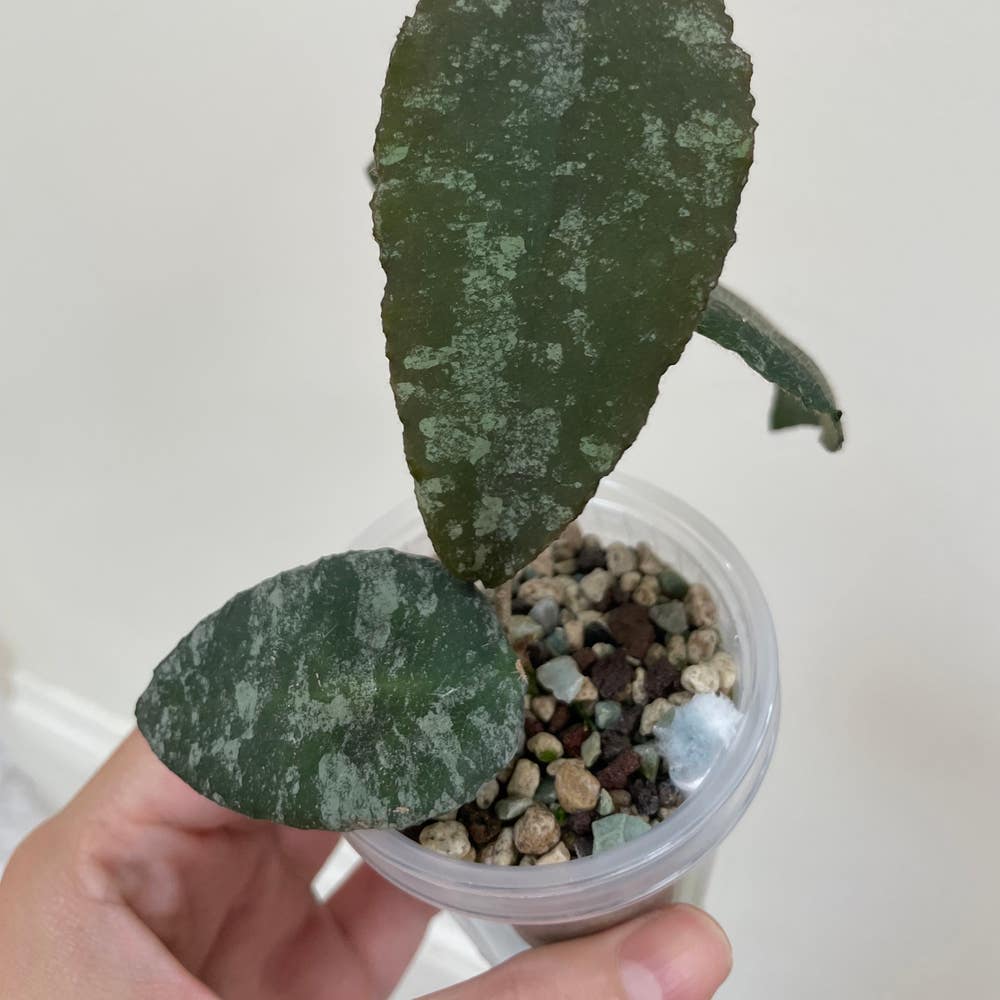
Should I Repot My Hoya caudata 'Sumatra' And If So, How?
Hoya caudata 'Sumatra'
By the Greg Editorial Team
Jun 18, 2024•5 min read
This article was created with the help of AI so we can cover more plants for you. May contain errors. See one? Report it here.
Revitalize your Hoya's growth 🌿 and master its repotting needs with this essential guide.
- Roots peeking or tangled? Time to repot your Hoya caudata 'Sumatra'.
- 🌱 Terracotta pots preferred for breathability and moisture control.
- Post-repotting: Wait 2-3 days before watering, then monitor for perky leaves.
Spotting the Telltale Signs It's Time to Repot
Roots making a break for it out of the pot's drainage holes are your Hoya's version of sending up a flare. They're not just exploring; they're cramped. When these tendrils start to circle the surface soil or peek out like shy groundhogs, it's time to consider a new residence for your leafy friend.
🌱 Root Clues: Tangled and Peeking Roots That Scream for Space
A root ball that looks like a bird's nest is nature's way of saying, "I need more room!" If your Hoya's roots have turned into a tangled mess, it's akin to wearing a straitjacket. Freedom is just a repot away.
🚀 Sluggish Growth: When Your Hoya's Growth Hits the Brakes
If your Hoya's growth has slowed to the pace of a lazy Sunday afternoon, it's not just taking a breather—it's stifled. When the usual spritz of growth turns into a mere dribble, consider upsizing its living quarters.
💧 The Watering Conundrum: Too Quick to Dry or Forever Damp?
When water races through the pot like it's on a slip 'n slide, barely touching the sides, it's a sign the soil is more of a spectator than a participant. Conversely, if the pot feels like a swamp despite your best efforts to moderate watering, it's a red flag. The soil should be a cozy bed, not a water-repelling rock or a soggy marsh.
Pro tip: Don't wait for your Hoya to throw a tantrum. If you notice any of these signs, it's time to give your green buddy the gift of space.

Choosing the Right Pot for Your Hoya's New Pad
💨 Breathability is Key: Terracotta
Terracotta pots are the gold standard for Hoya enthusiasts. Their porous nature allows the roots to breathe, preventing root rot from overwatering. But there's a catch: they can dry out faster than a gossip in the desert. If you're a serial over-waterer, terracotta is your plant's best friend. Just ensure there's a drainage hole; otherwise, it's game over for your green buddy.
👠 Style Meets Function: Ceramic Pots
Ceramic pots are the runway models of the pot world—stylish yet functional. Glazed ceramic retains moisture better than terracotta, offering a buffer for those who forget to water. They're heavier, too, so your Hoya won't do a faceplant off the windowsill. Remember, though, the glaze should be on the outside; we're not making a swimming pool for the roots.
💡 Light and Sturdy: Plastic Pots
Plastic pots are the lightweight contenders in this potting mix. They're easy to move and won't crack under pressure—literally. Plus, they retain moisture longer, which can be a blessing or a curse. Use plastic if you're more of a "water once in a blue moon" kind of person. But, drainage holes are non-negotiable; your Hoya's not into hydroponics.
What to Avoid: Potting Pitfalls
Steer clear of pots that are wider in the middle than the top—unless you plan on smashing them like a piñata when repotting time comes. And oversized pots? They're like empty dance floors—too much space can lead to soggy soil and sad roots. Choose a pot that's just right; think of it as the cozy cottage for your Hoya's roots.

The Repotting Shuffle: A Step-by-Step Dance
🛠️ Prepping the Stage: Gathering Your Supplies
Before you dive into the repotting tango, assemble your tools. You'll need a new pot—ideally one size up from the current, fresh potting mix, a pair of clean scissors, and a watering can. Don't forget a trowel and some sort of screen to cover the drainage holes, like plastic netting.
🌿 Gentle Extrication: Easing Your Hoya Out with Care
Time to coax your Hoya caudata 'Sumatra' out of its snug pot. Tilt the pot and gently tap the sides to loosen the grip. If the plant plays hard to get, slide a chopstick through the drainage hole to encourage the root ball out. Remember, it's a nudge, not a shove.
✂️ Root Revival: Trimming and Teasing for a Fresh Start
Now, inspect the root ball. If you spot any dead or circling roots, it's time for a trim. Snip away with care, then tease the roots apart to promote new growth. This isn't a haircut; think of it as untangling the delicate threads of life.
🏡 Settling In: Nestling Your Plant into Its New Abode
Place a layer of fresh soil in the new pot to elevate the root ball. Settle your Hoya in, centering it for balance. Fill around with more potting mix, and top it off with a sprinkle of compost. Water thoroughly, letting excess drain, to welcome your Hoya to its refreshed home.

Post-Repotting Care: Helping Your Hoya Thrive
💧 The First Watering: When and How Much?
After the repotting hustle, hold off on watering for 2-3 days. This gives your Hoya time to acclimate to its new digs. When it's time, water thoroughly but ensure you're not drowning the roots in enthusiasm.
🌞 Light and Location: Finding the Sweet Spot
Bright, indirect light is your Hoya's best friend. Direct sunlight? Not so much—it's the equivalent of a bad sunburn after a beach day without sunscreen. Rotate your plant occasionally to ensure even growth, but once you spot buds, keep it still to avoid a flowering fiasco.
👀 Watchful Waiting: Signs Your Hoya is Settling In
Keep an eye out for perky leaves and new growth—these are the high-fives your Hoya gives when it's happy. If the leaves start throwing a tantrum (think: wilting or yellowing), reassess your care routine. It's a delicate balance, but once you hit the sweet spot, you're golden.
⚠️ Safety First
This content is for general information and may contain errors, omissions, or outdated details. It is not medical, veterinary advice, or an endorsement of therapeutic claims.
Always consult a qualified healthcare professional before using any plant as food, medicine, or supplement.
Never eat any plant (or feed one to pets) without confirming its identity with at least two trusted sources.
If you suspect poisoning, call Poison Control (800) 222-1222, the Pet Poison Helpline (800) 213-6680, or your local emergency service immediately.
Spotted an error? Please report it here.
Ensure your Hoya thrives 🌱 after repotting by using Greg to remind you when and how to give it the perfect new home with ease.