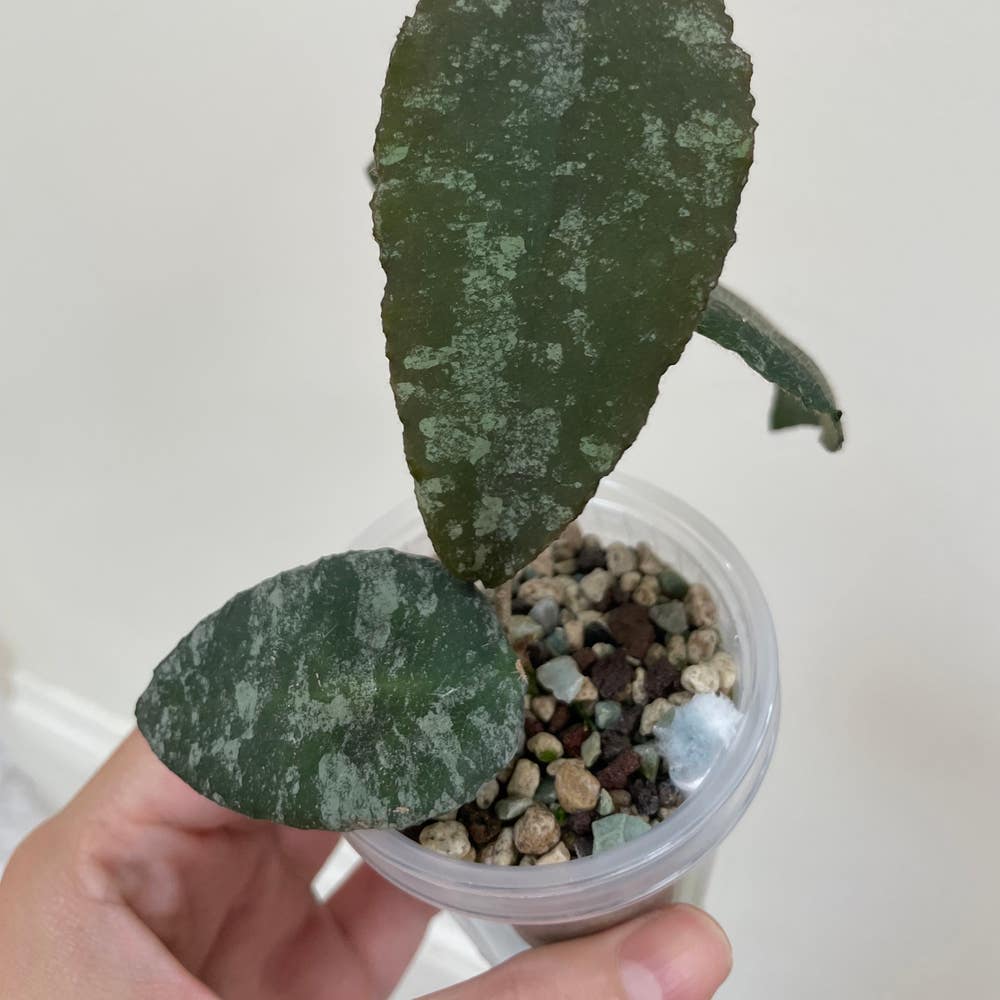
How to Get a Hoya caudata 'Sumatra' to Bloom
Hoya caudata 'Sumatra'
By the Greg Editorial Team
Jun 18, 2024•5 min read
This article was created with the help of AI so we can cover more plants for you. May contain errors. See one? Report it here.
Transform your Hoya into a blooming spectacle 🌸 with these expert tips for a lush, flower-filled paradise.
- Bright, indirect sunlight is key for Hoya caudata 'Sumatra' blooms.
- Maintain 65°F-75°F and 40%-60% humidity for a tropical paradise.
- Prune strategically and repot post-bloom to encourage flowering.
Setting the Stage for Spectacular Blooms
💡 Light: The Make-or-Break Factor
In the pursuit of blooms, light is non-negotiable. Your Hoya caudata 'Sumatra' demands bright, indirect sunlight. Too direct, and you risk a sunburnt tragedy; too dim, and it's all leaves, no show.
Rotate your plant regularly to ensure even growth and prevent lopsided dramas. As seasons change, so should your plant's position—adjust to maintain the sweet spot of light exposure.
🌡️ Temperature and Humidity: Recreating a Tropical Paradise
Temperature sets the stage for your Hoya's blooming encore. Aim for a cozy 65°F to 75°F. Avoid dramatic fluctuations—consistency is the secret sauce to a blooming success story.
Humidity is the silent hero in this tropical tale. Keep it between 40%-60%. If your air's drier than yesterday's toast, consider a humidifier or a plant huddle to raise the stakes. Remember, good air circulation is the unsung hero of the humidity world.
🏠 The Right Home: Potting Considerations
Choosing the right pot is like casting the perfect lead for a play. Terracotta is a star, offering breathability and a well-draining stage for your Hoya's roots.
Keep your Hoya snug and root-bound to encourage blooming—think of it as a cozy hug that whispers, "It's time to shine." And when it comes to repotting, timing is key. Do it post-bloom to avoid any flower-dropping drama.

Nurturing Your Hoya to Flowering Fame
💐 Feeding for Flowers
Timing is critical when it comes to fertilizing your Hoya caudata 'Sumatra'. During the active growing season, which spans from spring to fall, your plant is in its prime for feeding. Ease off during winter; it's the plant's downtime. A balanced fertilizer is your go-to, but when you're on the cusp of blooming season, switch to a bloom booster. This is the plant equivalent of an espresso shot right before a sprint – it's not for everyday use, but it can give your Hoya that extra push.
Remember, over-fertilizing is a no-go. It's like overfeeding a goldfish – neither ends well. Keep an eye on your plant's response and adjust accordingly. If it's lush and green with no flowers, it's time to reassess your strategy.
✂️ Pruning with Purpose
Pruning isn't just about making your plant look pretty; it's a strategic move to encourage blooming. By snipping away the dead or diseased bits, you're not only cleaning up, you're also redirecting your Hoya's energy to where it matters – the blooms. But here's the kicker: never cut off the spurs. Those little guys are your golden tickets to flower town.
Balance is key. You want to promote new growth without turning into Edward Scissorhands. And while we're at it, remember that propagation can distract your Hoya from its blooming mission. Keep it to a minimum during the flowering season to maintain your plant's focus.
Pruning is like giving your plant a clear message: "It's showtime!" But don't get carried away. A few strategic cuts can make all the difference between a Hoya that's just surviving and one that's thriving with spectacular blooms.

Overcoming Bloom Blockers
🌸 Bud Drop Blues: Keeping Those Buds Intact
Bud drop can turn the dream of dazzling Hoya blooms into a nightmare. Stability is key; once buds appear, keep your plant's environment as consistent as possible. Sudden moves or shifts in temperature and light can spook those buds right off the stems. To prevent this, maintain a steady watering schedule and avoid any drastic changes in the plant's location or care routine.
🌼 When Blooms are Bashful: Encouraging Shy Hoyas
Sometimes, despite your best efforts, Hoya caudata 'Sumatra' can be stubbornly bloom-shy. If you're facing a bloomless plant, it's time to play detective. Overwatering is a common culprit, leading to root rot and a sad, flowerless Hoya. Ensure the soil is moist but not soggy, and consider repotting if the roots look unhappy.
🌱 Root Bound: A Counterintuitive Trick
Believe it or not, a little root crowding can be a good thing. Hoyas often bloom more when they're slightly root-bound. It's a delicate balance, though; too much cramping can stress the plant beyond its blooming point. If you've been generous with space, try downsizing the pot to give your Hoya the cozy encouragement it needs to flower.
🌞 Light and Shadow: Finding the Sweet Spot
Lighting can make or break Hoya blooming. Too little light and your Hoya will sulk in the shadows; too much and it might get scorched. Aim for bright, indirect light and watch for signs of distress. If your Hoya is stretching or looking leggy, it's reaching for more light. On the flip side, if the leaves are bleached or scorched, dial back the intensity.
🌿 Nutrient Know-How: Feeding for Flowers
Nutrients are the secret sauce for blooming. A balanced fertilizer applied sparingly can encourage your Hoya to show off its flowers. But like a rich dessert, too much can be overwhelming. Stick to the recommended dosage and schedule to avoid overfeeding, which can lead to lush leaves at the expense of blooms.
🐞 Pests and Pruning: The Unseen Saboteurs
Pests and overgrown branches can hijack your Hoya's energy, diverting it from blooming. Keep an eye out for mealybugs and treat any infestations with insecticidal soap. Prune away dead or excessive growth to redirect your plant's energy to those potential blooms. Remember, strategic snips can make all the difference.

⚠️ Safety First
This content is for general information and may contain errors, omissions, or outdated details. It is not medical, veterinary advice, or an endorsement of therapeutic claims.
Always consult a qualified healthcare professional before using any plant as food, medicine, or supplement.
Never eat any plant (or feed one to pets) without confirming its identity with at least two trusted sources.
If you suspect poisoning, call Poison Control (800) 222-1222, the Pet Poison Helpline (800) 213-6680, or your local emergency service immediately.
Spotted an error? Please report it here.
Ensure your Hoya caudata 'Sumatra' thrives and blooms 🌸 with Greg's personalized care reminders tailored to your home's unique environment.