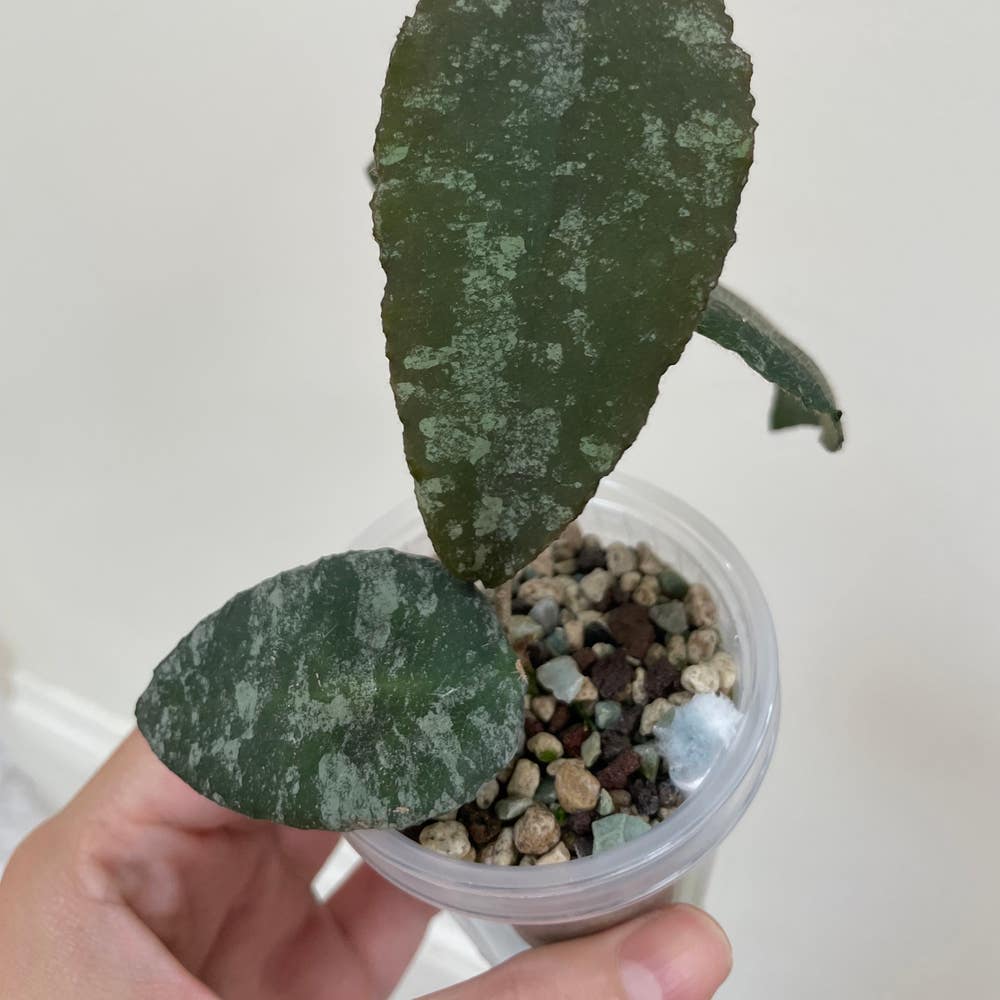
🌸 4 Plants That Thrive Alongside Hoya 'Sumatra'
Hoya caudata 'Sumatra'
By the Greg Editorial Team
Sep 28, 2024•4 min read
This article was created with the help of AI so we can cover more plants for you. May contain errors. See one? Report it here.
Elevate your indoor garden's beauty and health 🌱 with perfect companion plants for Hoya 'Sumatra' that deter pests!
- 🌱 Pothos, Spider Plants, and Peace Lilies thrive with Hoya 'Sumatra' in similar conditions.
- 🌿 Companion plants enhance aesthetics and repel pests, promoting a healthy indoor garden.
- ❌ Avoid cacti and succulents near Hoya; they compete for moisture and nutrients.
Companion Plants for Hoya 'Sumatra'
Plant 1: Pothos 🌿
Pothos is a hardy vine known for its heart-shaped leaves. This resilient plant thrives in bright, indirect light and well-draining soil, making it an excellent companion for Hoya 'Sumatra'.
Pothos enhances humidity levels, which is beneficial for Hoya's growth. Additionally, it acts as a natural air purifier, improving indoor air quality.
Plant 2: Spider Plant 🕷️
The Spider Plant features resilient, arching leaves and small white flowers. It prefers bright, indirect light and moderate watering, aligning well with the needs of Hoya 'Sumatra'.
This plant is particularly known for its pest-repellent properties, especially against aphids and spider mites. Its cascading growth habit adds visual appeal, complementing Hoya's climbing nature beautifully.
Plant 3: Peace Lily 🌸
Peace Lily is a tropical plant characterized by glossy leaves and elegant white blooms. It thrives in similar humidity and light conditions as Hoya 'Sumatra', making it a compatible choice.
Beyond aesthetics, Peace Lily provides pest management by repelling common indoor pests. Its flowers also attract pollinators, enhancing the ecosystem around Hoya 'Sumatra'.
Plant 4: Ferns 🌿
Ferns boast lush, feathery foliage that thrives in humid environments. They require bright, indirect light and consistent moisture, which aligns perfectly with Hoya's preferences.
These plants increase humidity, benefiting Hoya's growth. Their contrasting texture enhances visual appeal, creating a dynamic indoor garden space.
Companion planting with these options not only supports Hoya 'Sumatra' but also enriches your indoor environment. Next, let’s explore how these companion plants can help manage pests effectively.
Pest Management
How Companion Plants Can Deter Pests 🌿
Companion plants are more than just pretty faces; they can act as a natural barrier against pests. This reduces the need for chemical interventions, making your indoor garden healthier and more sustainable.
Specific Pest-Repellent Properties 🐞
Certain plants bring unique pest-repelling qualities to the table. For instance, Pothos and Spider Plants are known to deter common nuisances like aphids and spider mites.
Peace Lily takes it a step further by repelling indoor pests such as mealybugs and fungus gnats. This makes it an excellent companion for Hoya 'Sumatra', ensuring a thriving environment.
Creating a Balanced Ecosystem 🌍
By incorporating these companion plants, you not only protect your Hoya but also create a balanced ecosystem. This synergy enhances the overall health of your indoor garden, allowing each plant to flourish.
Conclusion 📝
Incorporating companion plants is a simple yet effective way to manage pests naturally. As you explore the benefits of these plants, you'll find that they contribute to a healthier, more vibrant indoor space. Next, let’s dive into the aesthetic benefits of companion planting with Hoya 'Sumatra'.
Visual Appeal
🌿 Aesthetic Benefits of Companion Planting with Hoya 'Sumatra'
Companion plants can significantly enhance the visual appeal of your indoor gardening space. By carefully selecting plants that complement Hoya 'Sumatra', you create a vibrant and inviting atmosphere.
🎨 Color and Texture Combinations
One of the most striking aspects of companion planting is the interplay of colors and textures. The glossy, waxy leaves of Hoya contrast beautifully with the soft, feathery foliage of ferns. This combination not only adds depth to your plant display but also creates a lush, tropical vibe.
Additionally, the elegant white blooms of the Peace Lily harmonize perfectly with the rich green of Pothos. This color palette brings a sense of balance and tranquility, making your indoor garden a true sanctuary.
🏡 Enhancing Your Space
Incorporating these companion plants doesn't just beautify your space; it also fosters a thriving ecosystem. The varied textures and colors draw the eye, creating focal points that can transform any room.
By thoughtfully arranging these plants, you can elevate your indoor gardening experience, making it not just a hobby, but a source of joy and inspiration.
As you explore the aesthetic benefits of companion planting, consider how these combinations can enhance your overall gardening journey. Next, let’s dive into how these plants can help manage pests naturally.
Plants to Avoid
List of Plants That Should Not Be Planted Near Hoya 'Sumatra' 🌵
When planning your indoor garden, it's crucial to know which plants to steer clear of. For Hoya 'Sumatra', the main culprits are cacti and succulents.
Reasons for Incompatibility with Hoya 'Sumatra' 🚫
Cacti thrive in dry conditions, which can lead to overwatering issues for Hoya. This moisture imbalance can stunt Hoya's growth and even cause root rot.
Succulents, while beautiful, may compete for nutrients and moisture. This competition can stress Hoya, making it harder for it to flourish.
By avoiding these plants, you can create a harmonious environment that allows Hoya 'Sumatra' to thrive. Next, let’s explore how companion plants can enhance pest management in your indoor garden.
⚠️ Safety First
This content is for general information and may contain errors, omissions, or outdated details. It is not medical, veterinary advice, or an endorsement of therapeutic claims.
Always consult a qualified healthcare professional before using any plant as food, medicine, or supplement.
Never eat any plant (or feed one to pets) without confirming its identity with at least two trusted sources.
If you suspect poisoning, call Poison Control (800) 222-1222, the Pet Poison Helpline (800) 213-6680, or your local emergency service immediately.
Spotted an error? Please report it here.
Enhance your indoor garden's beauty and health by pairing Hoya 'Sumatra' with companions like Pothos and Peace Lily 🌱, and let Greg guide you with tailored care tips for thriving plants in perfect harmony!