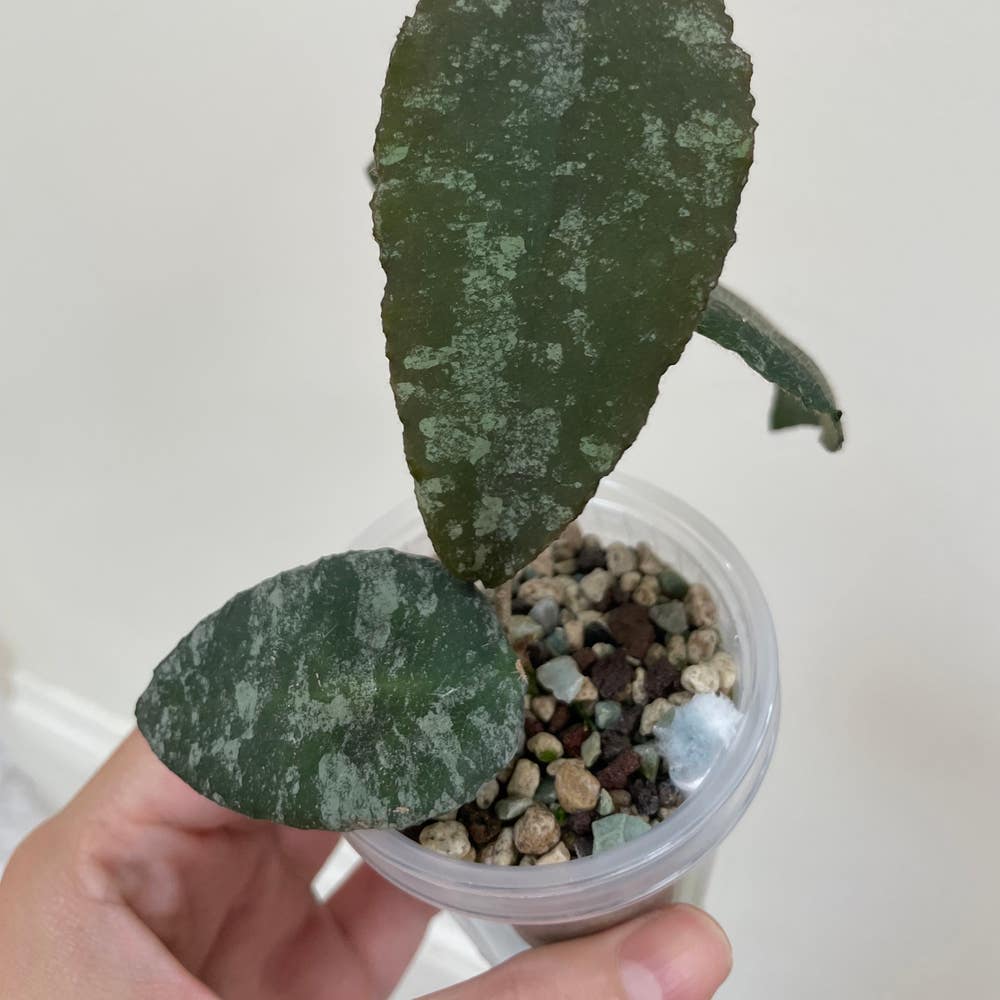
💧 6 Essential Steps to Grow Healthy Hoya 'Sumatra'
Hoya caudata 'Sumatra'
By the Greg Editorial Team
Sep 28, 2024•6 min read
This article was created with the help of AI so we can cover more plants for you. May contain errors. See one? Report it here.
Cultivate a thriving Hoya 'Sumatra' with essential tips on light, soil, and care for vibrant growth! 🌿
- 🌞 Hoya 'Sumatra' thrives in bright, indirect sunlight; avoid direct sun exposure.
- 🌱 Maintain humidity above 50% and temperatures between 20°C to 30°C for optimal growth.
- 💧 Water every 1-2 weeks, checking soil dryness to prevent overwatering issues.
Choosing a Location
Light Requirements 🌞
Hoya 'Sumatra' thrives in bright, indirect sunlight. Direct sunlight can scorch its delicate leaves, so aim for spots near east or west-facing windows for optimal growth.
Indoor vs. Outdoor Growing Conditions 🏡
Growing indoors offers a controlled environment with less risk of pests. If you prefer outdoor cultivation, ensure you have a warm, humid climate and provide partial shade to keep your plant happy.
Ideal Temperature and Humidity Levels 🌡️
For the best results, maintain a temperature range between 20°C to 30°C (68°F to 86°F). Hoya 'Sumatra' also loves humidity levels of 50% or higher, which helps it flourish.
Choosing the right location is crucial for the health of your Hoya 'Sumatra.' With the right light, temperature, and humidity, you're setting the stage for a thriving plant. Next, let’s dive into soil preparation to ensure your plant has the best foundation for growth.
Soil Preparation
Best Soil Types 🌱
To grow a healthy Hoya 'Sumatra', start with a well-draining potting mix. A blend of 50% potting soil, 25% perlite, and 25% orchid bark works wonders, providing the right balance of moisture retention and aeration.
Importance of Drainage and Aeration 🚰
Good drainage is crucial to prevent root rot, a common issue for Hoya plants. Always opt for pots with drainage holes to allow excess water to escape, promoting healthy root development.
Soil Amendments and pH Considerations ⚗️
Aim for a soil pH between 6.0 and 7.0 for optimal nutrient uptake. Adding worm castings or compost can enrich the soil, giving your plant the nutrients it craves for robust growth.
With the right soil preparation, your Hoya 'Sumatra' will thrive, setting the stage for successful planting. Next, let's dive into the planting process to ensure your plant gets off to a great start.
Planting
Step-by-Step Instructions 🌱
Planting your Hoya 'Sumatra' is straightforward and rewarding. Start by choosing a pot with drainage holes to prevent water accumulation.
Next, fill the pot with your prepared soil mix, ensuring you leave enough space for the root ball. Center the plant in the pot and gently fill around the roots, securing it in place. Finally, water thoroughly to help settle the soil around the roots.
Container vs. Ground Planting 🏡
Deciding between container and ground planting depends on your environment. Containers are easier to manage, making them ideal for indoor settings where you can control conditions.
On the other hand, ground planting requires a suitable climate and well-draining soil. Ensure your outdoor space can provide the right conditions for your Hoya to thrive.
Spacing and Depth Considerations 📏
When planting multiple Hoyas, space them 12-18 inches apart. This distance allows for optimal air circulation, which is crucial for healthy growth.
Make sure the root ball is level with the soil surface. This positioning helps prevent water from pooling around the roots, reducing the risk of rot.
With these planting tips, you're well on your way to cultivating a vibrant Hoya 'Sumatra.' Next, let's explore how to properly care for your plant through watering and fertilizing.
Watering and Fertilizing
💧 Watering Frequency and Techniques
Watering your Hoya 'Sumatra' is straightforward. Check the top inch of soil; if it feels dry, it’s time to water, usually every 1-2 weeks.
Using room temperature water is key. This helps avoid shocking the plant, ensuring it stays happy and healthy.
🚫 Signs of Overwatering and Underwatering
Recognizing the signs of overwatering is crucial. Yellowing leaves and mushy roots indicate too much water.
On the flip side, underwatering shows up as drooping leaves and dry soil. Keep an eye on these signs to maintain your plant's vitality.
🌱 Recommended Fertilizers and Feeding Schedule
For optimal growth, use a balanced, water-soluble fertilizer every 4-6 weeks during the growing season. This will provide essential nutrients to your Hoya.
As the seasons change, reduce feeding in fall and winter when growth slows. This helps your plant conserve energy and thrive year-round.
With proper watering and fertilizing, your Hoya 'Sumatra' will flourish beautifully. Next, let’s dive into pruning and ongoing care to keep your plant in top shape!
Pruning and Ongoing Care
Pruning Techniques 🌿
Pruning your Hoya 'Sumatra' is essential for encouraging bushier growth. Aim to prune after flowering and remove any dead or yellowing leaves to keep your plant healthy and vibrant.
Seasonal Care Routines 🌸
Your care routine should adapt with the seasons.
- Spring: Fertilize and repot if necessary to support new growth.
- Summer: Keep an eye out for pests and ensure your plant is adequately watered.
- Fall/Winter: Scale back on watering and stop fertilizing as growth slows.
Common Challenges and Solutions ⚠️
Pests
Pests can be a nuisance for your Hoya. Common culprits include mealybugs, aphids, and spider mites.
To combat these, consider using neem oil or insecticidal soap for effective control.
Diseases
Root rot is a significant concern, often caused by overwatering. Always ensure proper drainage to prevent this issue.
Leaf spot, a fungal infection, can also arise. Improve air circulation and avoid overhead watering to keep your plant healthy.
By staying proactive with pruning and seasonal care, you can keep your Hoya thriving. Next, let's explore propagation techniques to expand your collection!
Propagation Techniques
🌱 Methods of Propagation
Propagation is a fantastic way to expand your Hoya 'Sumatra' collection. The most popular method is using stem cuttings, which should be about 4-6 inches long and include at least one leaf node.
Another effective technique is water propagation. Simply place your cuttings in water and watch as roots develop over time. This method not only allows you to monitor root growth but also adds a decorative touch to your space.
⏰ Timing and Conditions for Successful Propagation
Timing is crucial for successful propagation. The best time to take cuttings is during spring or early summer when the plant is actively growing.
For optimal results, create a warm, humid environment. This encourages rooting and helps your cuttings thrive. Consider using a humidity dome or placing them in a warm spot to boost their chances of success.
With these techniques in hand, you're well on your way to multiplying your Hoya 'Sumatra' plants. Next, let’s explore how to identify and address common problems that may arise during their care.
Common Problems and Solutions
🕵️ Identifying and Addressing Common Issues
Yellowing leaves on your Hoya 'Sumatra' can signal overwatering or nutrient deficiencies. If you notice this, check your watering schedule and consider enriching the soil with nutrients.
Dropping leaves is another concern, often indicating stress from temperature fluctuations or pest infestations. Keep an eye on your plant's environment to mitigate these issues.
🛡️ Preventative Measures
Regular inspections are key to keeping your plant healthy. Look for signs of pests or diseases to catch problems early.
Maintaining a consistent care routine will promote overall health. This proactive approach helps your Hoya thrive and reduces the likelihood of common issues arising.
By staying vigilant and responsive, you can enjoy a flourishing Hoya 'Sumatra' that brings beauty to your space. Next, let’s explore effective propagation techniques to expand your collection!
⚠️ Safety First
This content is for general information and may contain errors, omissions, or outdated details. It is not medical, veterinary advice, or an endorsement of therapeutic claims.
Always consult a qualified healthcare professional before using any plant as food, medicine, or supplement.
Never eat any plant (or feed one to pets) without confirming its identity with at least two trusted sources.
If you suspect poisoning, call Poison Control (800) 222-1222, the Pet Poison Helpline (800) 213-6680, or your local emergency service immediately.
Spotted an error? Please report it here.
Unlock vibrant Hoya growth 🌿 with Greg's custom watering alerts and expert care tips, ensuring your plant thrives in its ideal environment!