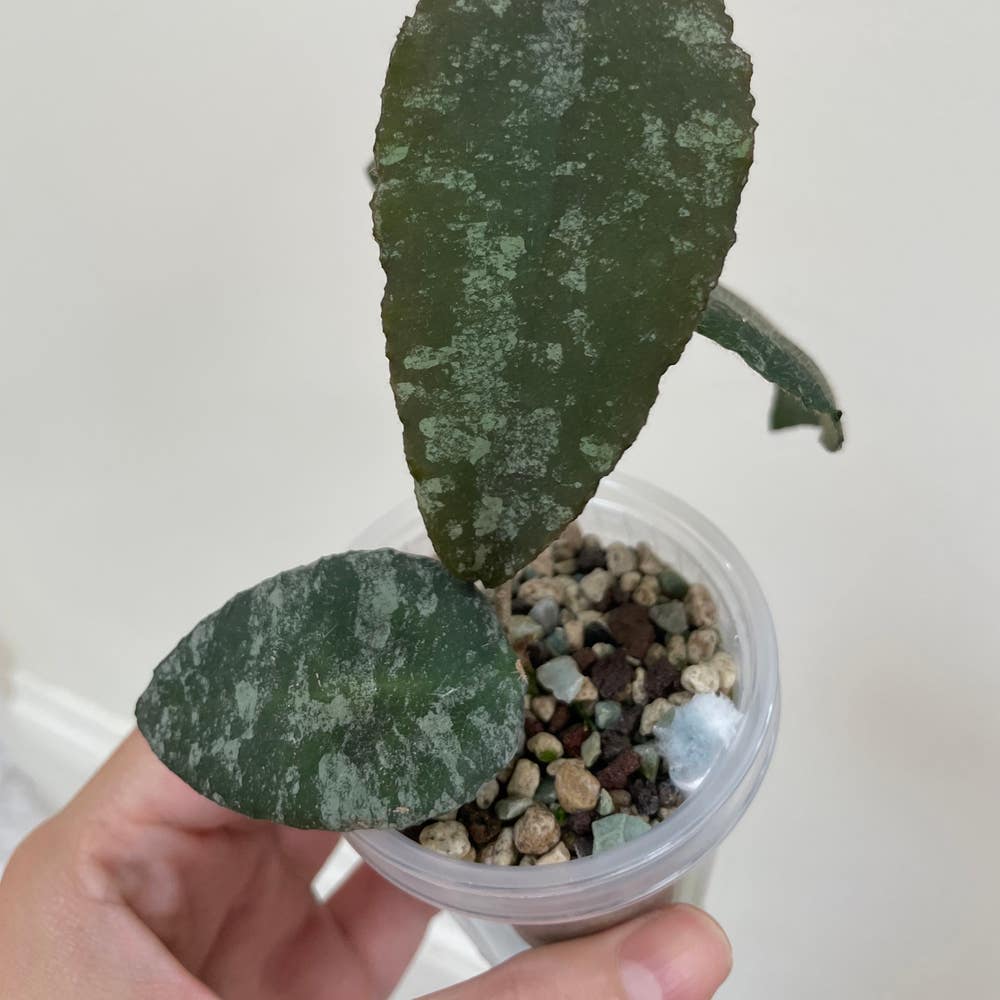
💧 Why Are My Hoya caudata 'Sumatra' Leaves Mushy?
Hoya caudata 'Sumatra'
By the Greg Editorial Team
Jun 18, 2024•4 min read
This article was created with the help of AI so we can cover more plants for you. May contain errors. See one? Report it here.
Stop mushy leaves in their tracks and keep your Hoya caudata 'Sumatra' thriving with these essential care tips! 🌿
- Overwatering leads to mushy leaves, causing yellowing and soggy texture.
- 🚫🌊 Improve drainage with the right pot and soil mix to prevent mushiness.
- ✂️ Regular root checks and adjustments can save your plant from root rot.
Spotting the Trouble: Signs Your Hoya caudata 'Sumatra' Has Mushy Leaves
🚨 Visual Clues
Discoloration is a telltale sign of trouble. Mushy leaves may turn a sickly yellow or brown, signaling distress. Translucency in leaves indicates waterlogged cells on the brink of bursting.
🖐️ Tactile Evidence
Healthy Hoya leaves are firm and waxy, but mushy ones feel like a marshmallow when squeezed. If the texture is more sponge than succulent, you're dealing with overwatering.

The Usual Suspects: Identifying Causes of Mushiness
💦 Overwatering Woes
Overzealous watering turns Hoya caudata 'Sumatra' leaves into a soggy mess. The plant's love for moderate moisture is often drowned in excess enthusiasm. Yellowing leaves and a stem that's lost its backbone are classic overwatering red flags.
🚱 Drainage Disasters
Poor drainage is like a bad relationship; it's suffocating. When water can't escape, roots are left gasping for air, and leaves get mushy. Ensure your pot's not holding water hostage—drainage holes are a must.
🌱 The Root of the Problem: Root Rot
Root rot is the silent assassin of the plant world, thriving in damp obscurity. If your Hoya's roots are a brown mush, it's a cry for help. This is the plant's way of saying, "I'm drowning down here!"

Emergency Care: Reviving Your Hoya caudata 'Sumatra'
💦 Watering Interventions
If your Hoya caudata 'Sumatra' has turned into a mushy mess, hold off on the H2O. Let the soil go from swamp to semi-arid before you even think about watering again. Check the top inch of soil with your finger; if it's damp, step away from the watering can.
🚰 Drainage and Potting Mix Tweaks
Think of your plant's pot like a pair of jeans – it needs to fit just right. Drainage holes are a must, and they better not be shy about letting excess water escape. Swap out that soggy soil for a mix that's all about freedom and flow – think chunky, airy, and nothing like quicksand. A blend of coco coir, perlite, and orchid bark should do the trick.
🩹 Root Rot Rehab
Root rot is the silent killer of the plant world. If you spot any black or mushy roots, it's time to play surgeon. Snip the nasties with sterile scissors and dispose of them like last week's leftovers. After the operation, give the remaining roots a pep talk and a fungicide treatment to fend off any fungal freeloaders. Then, repot with fresh, well-draining soil and keep a close eye on your patient. Remember, recovery takes patience and a little less love from the watering can.

Keeping It Firm: Preventing Future Mushiness
💧 Perfecting Your Watering Technique
Finding the sweet spot for watering your Hoya caudata 'Sumatra' is crucial. It's not about sticking to a schedule; it's about being responsive to your plant's needs. Check the soil moisture before you water—aim for moist, not soggy. If the top inch feels like a day-old sponge, it's time to water. If it's damp, wait it out.
Soil and Pot Perfection
Choosing the right soil mix and pot is like setting up a good home for your plant. Mix in perlite or coarse sand for breathability. Ensure your pot has drainage holes; they're not just a feature, they're a necessity. A tight pot is a no-go; give those roots room to breathe for better drainage and happier plants.
Regular Root Check-ups
Keep an eye on the root health of your Hoya caudata 'Sumatra'. Regularly unpotting to check for mushy or discolored roots can save you a lot of trouble. White and firm is what you're looking for. Spot something off? Don't hesitate to trim the rot and repot in fresh, well-draining soil. Remember, proactive root check-ups are better than reactive regrets.
⚠️ Safety First
This content is for general information and may contain errors, omissions, or outdated details. It is not medical, veterinary advice, or an endorsement of therapeutic claims.
Always consult a qualified healthcare professional before using any plant as food, medicine, or supplement.
Never eat any plant (or feed one to pets) without confirming its identity with at least two trusted sources.
If you suspect poisoning, call Poison Control (800) 222-1222, the Pet Poison Helpline (800) 213-6680, or your local emergency service immediately.
Spotted an error? Please report it here.
Revive your Hoya caudata 'Sumatra' 🚿 from mushy despair by using Greg to nail the perfect watering schedule and prevent overwatering mishaps.