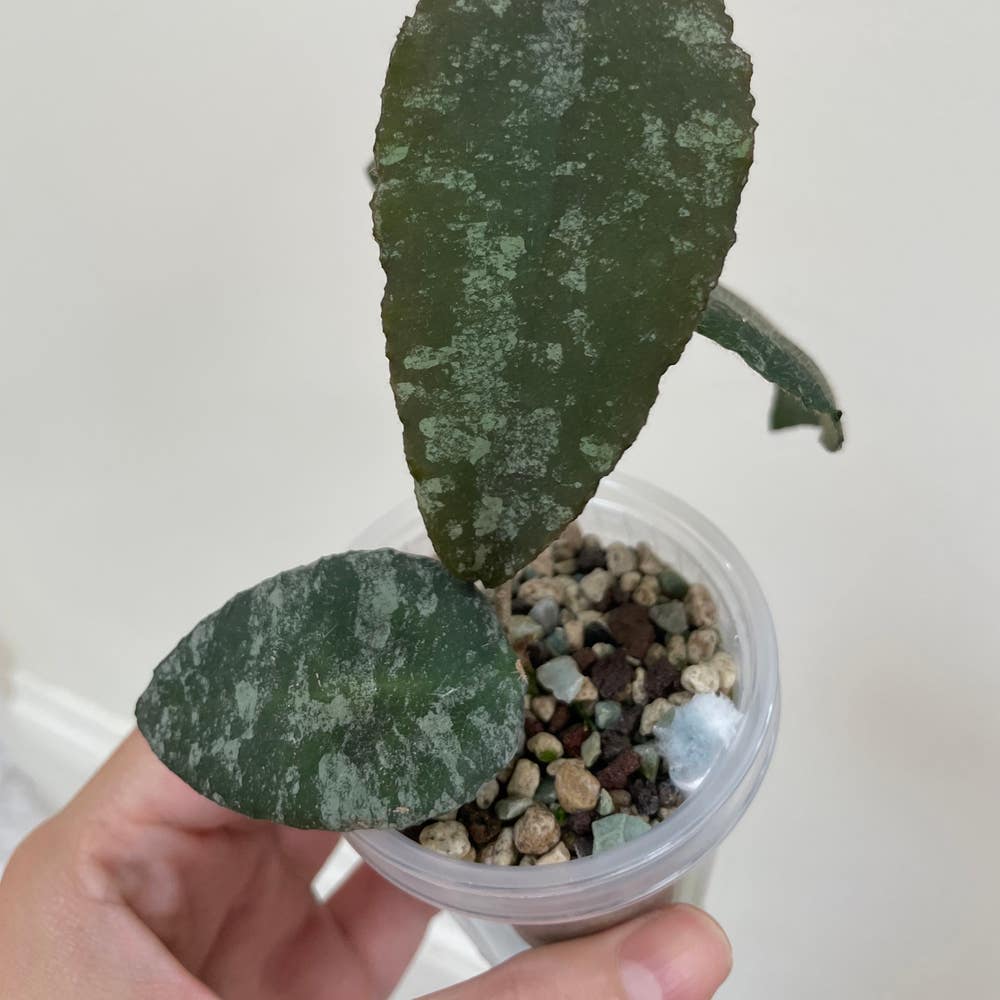
Propagating Hoya caudata 'Sumatra': Step-by-Step Guide
Hoya caudata 'Sumatra'
By the Greg Editorial Team
Jun 18, 2024•6 min read
This article was created with the help of AI so we can cover more plants for you. May contain errors. See one? Report it here.
Propagate your own Hoya caudata 'Sumatra' 🌿—turn your home into a tropical paradise with our easy guide!
- Spring/early summer is best for stem cuttings; angle cut near node.
- Soil preferred over water for rooting; high humidity and indirect light needed.
- Air layering for larger plants; use sharp tools and maintain sterile conditions.
Snip & Dip: Propagating from Stem Cuttings
🌱 Choosing Your Champion Stem
In the quest for propagation prowess, selecting a healthy stem is like picking an Olympian from a lineup. Vibrancy and firmness are your tell-tale signs of a winner. The best time to embark on this botanical venture is during the spring or early summer, when plants are in their prime growth phase.
🌿 Prepping Your Cuttings
With a sterilized instrument sharper than a samurai's blade, make your cut just below a leaf node at a 45-degree angle—this isn't just for flair; it ups the surface area for rooting. Two to three nodes on a 4-6 inch stem are your golden ticket. Strip the bottom leaves to avoid rot and leave a few at the top for photosynthesis to carry on its life-giving work.
💧 Rooting Your Cuttings
Now, the great debate: water or soil? Water is a see-through nursery, giving you a front-row seat to root development. Soil, on the other hand, is a mystery box where roots can spread unseen. Each has its merits, but soil is often the go-to for its ability to transition cuttings to pots more seamlessly. Create a cozy environment with high humidity and indirect light—think spa day, but for plants. Rooting hormone? It's not a must, but consider it a growth accelerator. Just a dab will do, like a secret ingredient in a recipe that makes all the difference.

Leaf the Way: Propagating from Leaf Cuttings
🌱 Selecting Leaves for Success
In the quest for propagation prowess, choosing the right leaf is non-negotiable. Vigorous and unblemished leaves are your golden tickets—avoid any with spots or the slightest hint of pests.
🌿 The Rooting Rundown
🌱 Preparing Leaf Cuttings
- Detach your chosen leaf with a gentle twist or a sterile snip, if necessary.
- Let the cutting callous over for a day or two—think of it as a protective shield against rot.
🌱 Encouraging Root Development
- Humidity and warmth are your allies in coaxing out those precious roots.
- A touch of rooting hormone can act like a growth elixir, but it's not a deal-breaker if you skip it.
- Patience is key—roots don't grow overnight, but when they do, it's like a silent high-five from Mother Nature.

High in the Sky: Propagating via Air Layering
🌱 The Air Layering Advantage
Air layering is like a propagation cheat code—you get a sizable plant right off the bat, not just a tiny cutting hoping to become one. This method is less shock-prone, making it a safer bet for your Hoya caudata 'Sumatra'.
Step-by-Step Air Layering
🛠️ Materials Needed
Gather your gear: sharp knife, sphagnum moss, rooting hormone (optional), clear plastic wrap, and ties (wire or twist ties work well).
The Process
Preparation
- Soak your moss until it's sopping, like a wrung-out sponge.
- Choose a robust branch, one that whispers "I'm ready for independence."
Wrapping
- Make a clean cut, apply rooting hormone if you're using it, and snugly wrap the moss around the incision.
- Swaddle the moss with your plastic, creating a mini greenhouse.
Waiting
- Patience is your new best friend. Roots may take weeks to months to say hello.
- Keep the moss moist, not drenched. Think damp, not a swamp.
Rooting
- Once you spot a healthy cluster of roots through the plastic, it's showtime.
- Sever the stem below the roots and give your new Hoya a pot of its own.
Remember, air layering is a marathon, not a sprint. Keep conditions stable, and your Hoya caudata 'Sumatra' will flourish.

Potting Party: Transplanting Your Propagated Hoyas
🌱 Pot and Soil Selection
Choosing the right pot for your Hoya caudata 'Sumatra' is like picking a new apartment for your best friend. You want it to be comfortable but not cavernous. A pot with drainage holes is non-negotiable—unless you're into waterlogged roots and the inevitable root rot party that follows.
For soil, think rich but not clingy. A mix that holds moisture but drains well is the sweet spot. Some suggest a concoction of perlite, coco-peat, and vermiculite. It's like a gourmet meal for your Hoya's roots.
🌿 The Big Move
When it's time to transplant, think of it as a plant spa day—gentle and stress-free. Ease your Hoya out of its current pot, avoiding a tug-of-war with the roots. Loosen the roots to encourage them to explore their new digs.
Plant it at the same depth it was before to avoid any "adjustment shock." Fill in with your premium potting mix, pressing lightly to say goodbye to air pockets. Remember, early spring to early summer is the prime time for this move.
Acclimating your Hoya to its new pot is about patience. Give it bright, indirect light and watch for new growth as a sign of a successful move-in. Keep the vibe chill, and your Hoya will be throwing out new leaves in no time.
SOS: Saving Your Struggling Cuttings
🚨 Common Propagation Pitfalls
Yellowing leaves? Stunted growth? These are the distress signals of your Hoya caudata 'Sumatra' cuttings. Like a canary in a coal mine, they warn of potential doom. Act fast—the sooner you spot trouble, the better your chances of saving your green babies.
🛠 Quick Fixes for Propagation Problems
🍂 Rotting Cuttings
Rot on stems is a red flag. It's shouting, "I'm too wet!" or "My feet can't breathe!" To avoid this, think of your potting mix as a colander—it should drain like one. If you're greeted by mush, it's time for surgery: snip off the rot, and start afresh.
🌱 Unsuccessful Rooting
If your cuttings are as rootless as a tumbleweed, check the thermostat. They need warmth like a lizard on a rock. Too chilly, and they'll just sulk. Keep them snug, and ensure they're basking in the right amount of light.
🍄 Fungal Foes
Seedlings keeling over? You've got a fungal gatecrasher. Moist soil, not swampy, is the mantra here. And air circulation? Non-negotiable. It's like social distancing for plants—keep them apart to keep them alive.
🧼 Cleanliness is Key
Dirty tools are like a backdoor for pathogens. Sterilize your snippers like a plant surgeon to avoid introducing any unwanted guests. A clean cut is a happy cut.
💧 Water Woes
Watering is a delicate dance. Too much, and your cuttings will drown in their own sorrow. Too little, and they'll wither from thirst. Aim for that sweet spot—consistent moisture without the muck.
🌱 Node Know-How
Cut too far from a node, and you're just hacking away your success. Nodes are the Aladdin's cave of rooting potential—stick close to them for treasures untold.
⚠️ Safety First
This content is for general information and may contain errors, omissions, or outdated details. It is not medical, veterinary advice, or an endorsement of therapeutic claims.
Always consult a qualified healthcare professional before using any plant as food, medicine, or supplement.
Never eat any plant (or feed one to pets) without confirming its identity with at least two trusted sources.
If you suspect poisoning, call Poison Control (800) 222-1222, the Pet Poison Helpline (800) 213-6680, or your local emergency service immediately.
Spotted an error? Please report it here.
Turn your Hoya caudata 'Sumatra' propagation into a success story 🌟 with Greg's custom care reminders and environment-specific tips for each step!