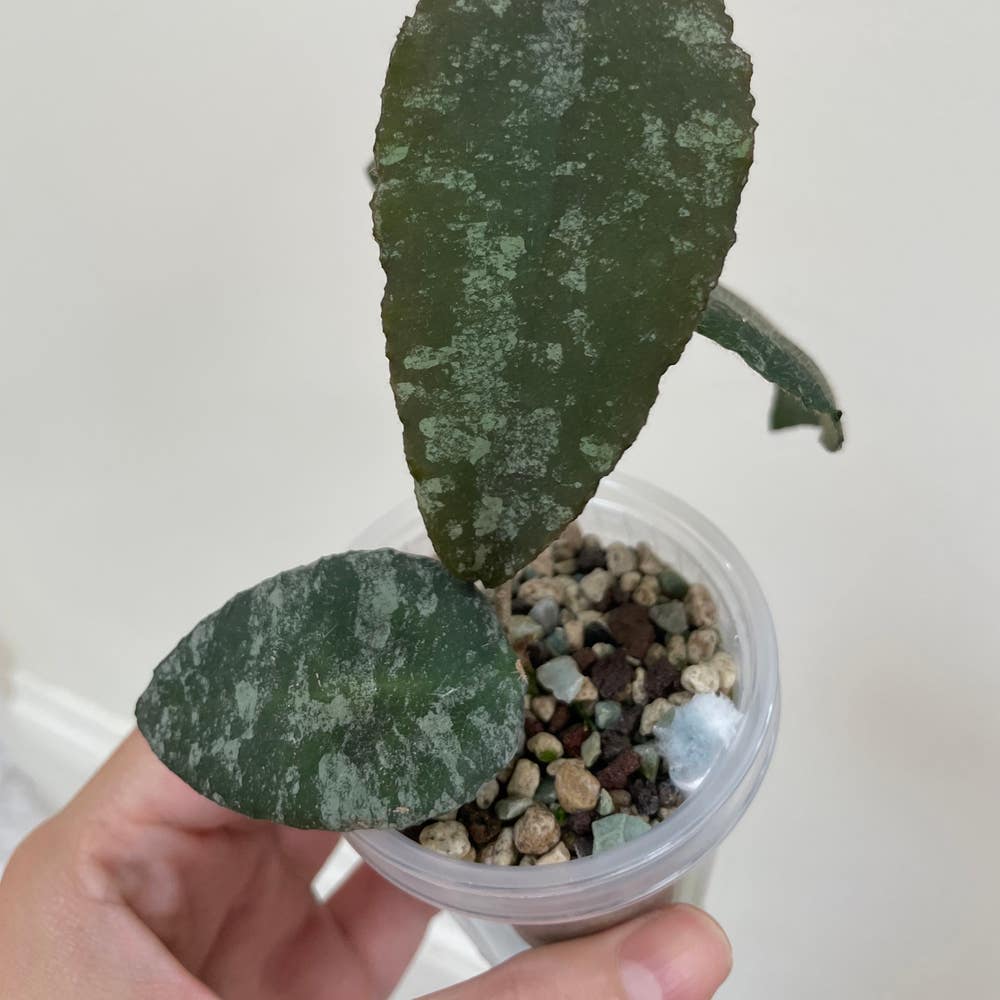
The Best Pollinators for Your Hoya 'Sumatra' 🐝
Hoya caudata 'Sumatra'
By the Greg Editorial Team
Sep 28, 2024•6 min read
This article was created with the help of AI so we can cover more plants for you. May contain errors. See one? Report it here.
Discover how to boost Hoya 'Sumatra' blooms 🌼 with effective pollination techniques for a vibrant garden!
- 🌼 Hoya 'Sumatra' self-pollinates, ensuring reproduction without pollinators.
- 🐝 Bees, butterflies, and hummingbirds enhance flower production through cross-pollination.
- 🌿 Create a pollinator-friendly garden by planting diverse, native flowers and avoiding pesticides.
Self-Pollination vs. Cross-Pollination
🌸 Self-Pollination
Hoya 'Sumatra' has a unique advantage: it can self-pollinate. Its flower structure features a corona of stamens that allows pollen transfer within the same flower.
Self-pollination ensures reproduction even when pollinators are absent. This process can also lead to quicker fruit and seed production, making it a reliable option for gardeners.
🌼 Cross-Pollination
While self-pollination is effective, Hoya 'Sumatra' thrives with cross-pollination. This method enhances genetic diversity and overall yield.
Cross-pollination increases the likelihood of producing more flowers. It also promotes healthier plants with varied genetic traits, contributing to a more robust garden ecosystem.
Flower Structure
Description and Role in Pollination 🌼
The Hoya 'Sumatra' boasts star-shaped flowers with five distinct petals. These blooms come in a delightful range of colors, from pristine white to soft pink, often featuring darker centers that catch the eye.
The flowers are typically arranged in umbels, which enhances their visibility to pollinators. This unique structure not only attracts various species but also facilitates both self-pollination and cross-pollination, ensuring a thriving plant.
The design of these flowers plays a crucial role in their reproductive success. By drawing in pollinators, they increase the chances of fertilization, leading to healthier plants and more abundant blooms.
In essence, the flower structure of Hoya 'Sumatra' is a beautiful blend of form and function, making it a favorite among both gardeners and pollinators alike.
As we explore the mechanisms of natural pollination, we’ll see how these stunning flowers interact with their environment to thrive.
Natural Pollination
🌼 Mechanisms of Pollen Transfer
Pollination in Hoya 'Sumatra' primarily relies on the diligent work of various pollinators. As these creatures land on the flowers to sip nectar, they inadvertently transfer pollen from one bloom to another, ensuring effective fertilization.
The sticky nature of the pollen plays a vital role in this process. It clings to the bodies of pollinators, making it easier for them to carry it from flower to flower.
🐝 Primary Pollinator Species
Several key species contribute to the pollination of Hoya 'Sumatra':
Bees
Bees are the heavyweights in the pollination game. Their attraction to nectar makes them essential for cross-pollination, boosting genetic diversity.
Butterflies
Butterflies are drawn to the vibrant colors and sweet scents of the flowers. Their fluttering visits help facilitate pollen transfer, adding to the plant's reproductive success.
Moths
Active during the night, moths play a crucial role in pollination when other pollinators are less active. Their nocturnal habits ensure that Hoya 'Sumatra' continues to receive attention even after sunset.
Hummingbirds
With their long beaks, hummingbirds can access nectar deep within the flowers. This unique adaptation allows them to effectively transfer pollen while feeding, further enhancing the plant's reproductive potential.
Understanding these mechanisms and species is essential for anyone looking to cultivate Hoya 'Sumatra' successfully. By fostering a pollinator-friendly environment, you can ensure these beautiful plants thrive and produce stunning blooms.
Next, we’ll explore how to support these vital pollinators in your garden.
Hand Pollination
Step-by-Step Instructions for Hand Pollination 🌼
Hand pollination can be a rewarding way to ensure your Hoya 'Sumatra' thrives. Follow these simple steps to get started:
- Identify Flowers: Look for flowers that are open and fresh, signaling they are ready for pollination.
- Collect Pollen: Use a small brush or cotton swab to gather pollen from the stamens.
- Transfer Pollen: Gently place the pollen onto the stigma of the same flower or another flower.
- Repeat: Continue this process for multiple flowers to boost your chances of successful fertilization.
Identifying Male and Female Flower Parts 🌸
Understanding the flower's anatomy is crucial for effective hand pollination.
- Male Parts: The stamens produce pollen and are typically found surrounding the center of the flower.
- Female Parts: The pistil is the central part that receives pollen, making it essential for fertilization.
- Visual Cues: Look for the pistil at the flower's center, encircled by the stamens, to easily identify the male and female components.
By mastering these techniques, you can enhance the pollination process for your Hoya 'Sumatra', ensuring a bountiful bloom. Next, let’s explore how to create a pollinator-friendly environment to support these beautiful plants.
Supporting Pollinators
🌼 Creating a Pollinator-Friendly Environment
To attract a variety of pollinators, plant native flowers that bloom at different times throughout the year. This ensures a consistent food source for bees, butterflies, and other beneficial insects.
Avoid using pesticides, as they can harm these essential pollinators. Instead, consider natural pest control methods to keep your garden thriving.
Providing water sources, like shallow dishes or birdbaths, can also help pollinators stay hydrated. Additionally, creating shelter with native plants or brush piles offers safe havens for these creatures.
🌸 Companion Plants to Attract Pollinators
Companion planting is a fantastic way to enhance your garden's appeal to pollinators. For instance, marigolds are excellent for attracting both bees and butterflies, adding vibrant color to your space.
Lavender is another great choice, known for its fragrant blooms that draw in a variety of pollinator species. Its calming scent is a bonus for gardeners!
Borage is a favorite among bees, helping to boost the overall pollinator population in your garden. These plants not only support pollinators but also create a beautiful, lively environment.
By fostering a pollinator-friendly garden, you contribute to the health of your local ecosystem. This sets the stage for successful pollination of your Hoya 'Sumatra' and other plants, ensuring a flourishing garden.
Pollination Challenges
🌼 Common Obstacles to Successful Pollination
Pollination can be tricky for Hoya 'Sumatra' due to several challenges. Environmental factors like temperature fluctuations and low humidity can deter pollinators from visiting your plants.
Urban settings often lack natural pollinators, making it harder for your Hoya to thrive. Without bees, butterflies, and other pollinators, the chances of successful fertilization diminish significantly.
🛠️ Solutions for Overcoming Pollination Challenges
Creating a microclimate can help. Use humidity trays or misting to maintain moisture levels, making your garden more inviting for pollinators.
Planting a diverse range of flowers is another effective strategy. This attracts various pollinator species, increasing the likelihood of successful pollination.
If pollinator activity is low, consider hand pollination techniques. This ensures that your Hoya 'Sumatra' still has a chance to produce those beautiful blooms.
By addressing these challenges, you can create a thriving environment for your plants and their pollinators. This not only enhances your garden but also supports local ecosystems.
⚠️ Safety First
This content is for general information and may contain errors, omissions, or outdated details. It is not medical, veterinary advice, or an endorsement of therapeutic claims.
Always consult a qualified healthcare professional before using any plant as food, medicine, or supplement.
Never eat any plant (or feed one to pets) without confirming its identity with at least two trusted sources.
If you suspect poisoning, call Poison Control (800) 222-1222, the Pet Poison Helpline (800) 213-6680, or your local emergency service immediately.
Spotted an error? Please report it here.
Boost your Hoya 'Sumatra' blooms 🌸 by creating a pollinator-friendly garden and using Greg's personalized care tips to ensure your plants thrive and attract the right helpers for successful pollination!