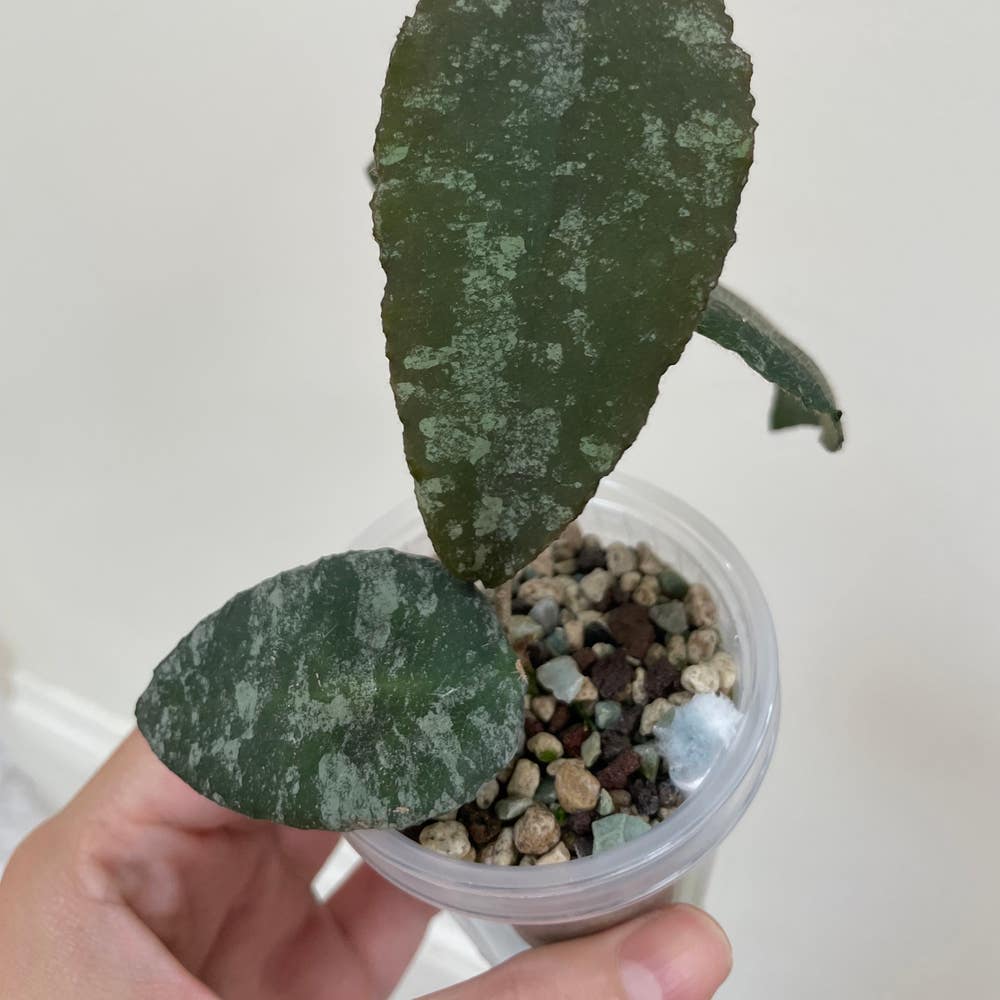
🌸 Hoya 'Sumatra' Is Not Considered a Weed
Hoya caudata 'Sumatra'
By the Greg Editorial Team
Sep 28, 2024•6 min read
This article was created with the help of AI so we can cover more plants for you. May contain errors. See one? Report it here.
Explore how Hoya 'Sumatra' beautifies gardens while supporting biodiversity without being invasive! 🌼🌱
- 🌱 Hoya 'Sumatra' is non-invasive, with moderate growth and limited spread potential.
- 🌼 Supports biodiversity by attracting pollinators and providing habitats for insects.
- ✂️ Regular pruning keeps Hoya 'Sumatra' manageable and enhances garden aesthetics.
Plant Classification
Definition of Invasive Species 🌱
Invasive species are plants that exhibit certain characteristics, making them problematic in new environments. They typically show rapid growth and spread, displacing native flora and negatively impacting local ecosystems.
- Rapid Growth and Spread: These plants can quickly take over areas, outcompeting local species for resources.
- Displacement of Native Flora: They often dominate landscapes, leading to a decline in biodiversity.
- Negative Impact on Local Ecosystems: Invasive species can disrupt food chains and alter habitats.
Why Hoya 'Sumatra' is Not Invasive 🌼
Hoya 'Sumatra' stands apart from invasive species due to its moderate growth rate. It doesn’t produce aggressive runners or seeds, making it easier to manage in garden settings.
- Moderate Growth Rate: This plant typically grows at a manageable pace, allowing for easy control.
- Limited Spread Potential: Regular pruning keeps its growth in check, ensuring it doesn’t overwhelm other plants.
- Positive Contribution to Biodiversity: Rather than dominating, Hoya 'Sumatra' enhances local ecosystems, supporting a variety of wildlife without overshadowing native species.
Incorporating Hoya 'Sumatra' into your garden can be a rewarding experience. Its non-invasive nature allows for a harmonious coexistence with other plants, paving the way for a vibrant and diverse garden. Next, let’s explore its growth habits and how they contribute to its appeal.
Growth Habits
Typical Growth Patterns in Gardens 🌱
Hoya 'Sumatra' is a climbing and trailing plant that can reach impressive heights of 6 to 10 feet when given the right support. Its ability to adapt makes it a versatile choice for various garden settings, thriving in bright, indirect sunlight while also tolerating lower light conditions.
Natural Limits to Growth and Spread Potential 🌍
This plant exhibits a moderate growth rate, typically expanding 1 to 2 feet per year under optimal conditions. However, it prefers well-draining soil and moderate humidity, which naturally limits its spread in overly dry or wet environments.
Managing Growth in Your Garden ✂️
To keep Hoya 'Sumatra' looking its best, regular pruning is essential. This not only helps maintain its shape but also encourages healthy growth, ensuring it remains a beautiful addition to your garden without overwhelming other plants.
Conclusion
Understanding the growth habits of Hoya 'Sumatra' allows gardeners to incorporate it effectively into their designs. With its manageable growth and adaptability, this plant can enhance any garden space while contributing positively to the local ecosystem.
Ecological Role
Benefits to Local Ecosystems 🌼
Hoya 'Sumatra' plays a vital role in local ecosystems by attracting pollinators. Its fragrant flowers are a magnet for bees and butterflies, making it a delightful addition to any garden.
Moreover, this plant supports local biodiversity. It provides essential habitat and food sources for various insects, contributing to a thriving ecosystem.
Positive Interactions with Wildlife and Other Plants 🐝
When it comes to companion planting, Hoya 'Sumatra' shines. It can coexist harmoniously with other non-invasive plants, enhancing the overall diversity of your garden.
Additionally, it exhibits minimal competition with native species. This means it won’t overshadow or outcompete them, allowing for a balanced and healthy garden environment.
Incorporating Hoya 'Sumatra' not only beautifies your space but also fosters a rich ecological community. Its presence encourages a vibrant garden that supports both wildlife and plant life, paving the way for a sustainable gardening experience.
Next, let’s explore how to effectively manage Hoya 'Sumatra' in your garden design.
Garden Management
Incorporating Hoya 'Sumatra' into Garden Designs 🌿
Hoya 'Sumatra' is a fantastic addition to any garden, especially when used as a climbing plant. It thrives beautifully on trellises, fences, or even in hanging baskets, creating a stunning vertical display.
This plant not only adds height but also brings lush greenery to your garden space. Its unique foliage and fragrant flowers can transform an ordinary area into a vibrant oasis.
Growth Control Methods for Aesthetic Purposes ✂️
To keep your Hoya 'Sumatra' looking its best, regular pruning is essential. Trimming helps maintain its desired shape and size, ensuring it doesn’t become unruly.
Additionally, providing adequate support structures is crucial. This will help manage its growth direction and prevent overcrowding, allowing your garden to flourish harmoniously.
Incorporating these practices will enhance your garden's aesthetic while keeping Hoya 'Sumatra' in check. With the right management, this plant can be a showstopper without overwhelming your space.
Comparison to Other Plants
🌿 Similar Non-Invasive Plants
When considering climbing plants, Hoya 'Sumatra' shares similarities with popular varieties like Clematis and Jasmine. All three offer beautiful foliage and can add vertical interest to your garden without overwhelming it.
Hoya 'Sumatra' stands out with its distinctive waxy leaves and fragrant flowers. Unlike some climbing plants, it requires less maintenance, making it an excellent choice for both novice and experienced gardeners.
✨ Emphasizing Unique Qualities
One of the most appealing aspects of Hoya 'Sumatra' is its adaptability to various light conditions. Whether your garden basks in bright sunlight or has shadier spots, this plant can thrive.
Additionally, Hoya 'Sumatra' can flourish in diverse garden settings without becoming invasive. Its moderate growth ensures it complements rather than competes with other plants, enhancing your garden's overall beauty and biodiversity.
As you explore the possibilities of incorporating Hoya 'Sumatra' into your garden, consider how its unique qualities can enrich your outdoor space. Next, let’s delve into the legal and environmental considerations surrounding this charming plant.
Legal and Environmental Considerations
📜 Relevant Classifications and Guidelines
When considering Hoya 'Sumatra' for your garden, it's essential to check local regulations. Some areas may have specific guidelines regarding the planting of non-native species.
Confirming its non-invasive status is also crucial. Many local horticultural resources classify Hoya 'Sumatra' as non-invasive, making it a safe choice for your garden.
🌱 Fit Within Sustainable Gardening Practices
Hoya 'Sumatra' contributes positively to sustainable gardening. It enhances biodiversity while remaining easy to manage, making it an excellent addition to any garden.
Moreover, this plant encourages pollinator-friendly practices. By attracting bees and butterflies, it supports local wildlife and promotes ecological health, creating a vibrant garden ecosystem.
As you plan your garden, consider how Hoya 'Sumatra' can fit into your sustainable gardening goals. Its manageable growth and ecological benefits make it a standout choice.
Transitioning to the next topic, let's explore how to incorporate Hoya 'Sumatra' into your garden designs effectively.
⚠️ Safety First
This content is for general information and may contain errors, omissions, or outdated details. It is not medical, veterinary advice, or an endorsement of therapeutic claims.
Always consult a qualified healthcare professional before using any plant as food, medicine, or supplement.
Never eat any plant (or feed one to pets) without confirming its identity with at least two trusted sources.
If you suspect poisoning, call Poison Control (800) 222-1222, the Pet Poison Helpline (800) 213-6680, or your local emergency service immediately.
Spotted an error? Please report it here.
Transform your garden with the stunning Hoya 'Sumatra' 🌿 while Greg provides tailored care reminders to ensure it thrives beautifully without overwhelming your space!