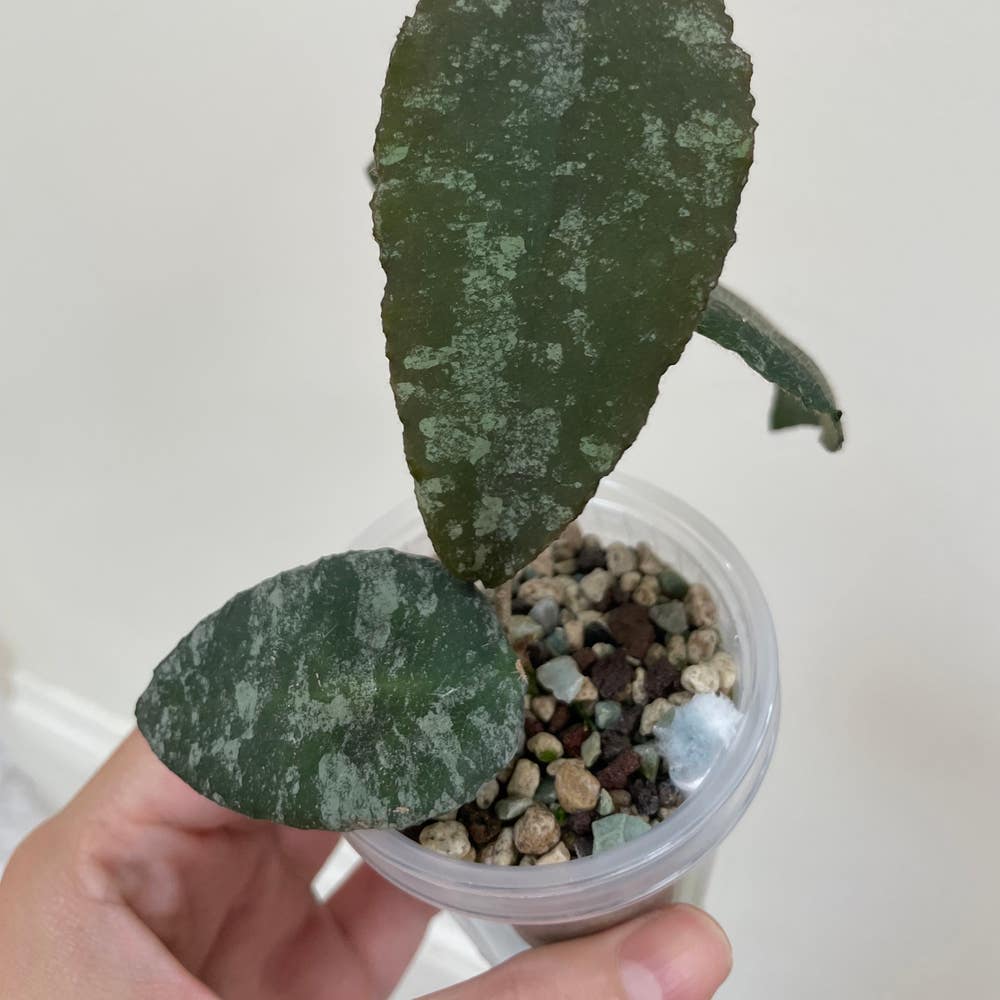
What Are The Bugs on My Hoya caudata 'Sumatra'? 🐛
Hoya caudata 'Sumatra'
By the Greg Editorial Team
Jun 18, 2024•5 min read
This article was created with the help of AI so we can cover more plants for you. May contain errors. See one? Report it here.
Banish bugs 🐛 from your Hoya caudata 'Sumatra' and watch it thrive with these proven plant-saving tactics! 🌿
- Neem oil and soap sprays combat spider mites, thrips, and mealybugs.
- Alcohol swabs and horticultural oil effectively remove scale insects.
- Prevent pests with check-ups, isolation, and natural predators like ladybugs.
Meet the Sap-Suckers: Spider Mites, Scale, and Aphids
🕷️ Spider Mites
Webbing on leaves is a telltale sign of spider mites. These tiny terrors can turn your Hoya caudata 'Sumatra' into their personal buffet. Neem oil and insecticidal soap are your go-to weapons in this microscopic war.
🛡️ Scale
Scale insects are like mini tanks, armored and ready to suck your plant dry. If you spot these tiny shielded invaders, grab some alcohol swabs or horticultural oil. It's time to go on the offensive and show these pests the door.
🦟 Aphids
Green, black, or pink, aphids are the party crashers of the plant world. Catching them is crucial; they're notorious for gatecrashing new growth. A good water blast or a soapy spray can send these freeloaders packing.

The Fungus Among Us: Gnats and Mealybugs
🦟 Fungus Gnats / Fruit Flies
Fungus gnats and fruit flies are not the roommates you want for your Hoya caudata 'Sumatra'. These pests are drawn to moist soil and can often be seen taking a leisurely flight around your plant or performing a high-stakes dance on the soil surface.
Spotting these pests is key: look for tiny, dark flies or the slightly larger, fruit-obsessed flies. To combat them, soil drenches with a hydrogen peroxide solution can be a plant-saving move. Mix one part 3% hydrogen peroxide with four parts water and apply it to the soil to send larvae packing.
Moisture control is your strategic defense. Let the soil dry out between waterings to make it less appealing for gnat larvae. If you're into biological warfare, introduce Hypoaspis miles or parasitic nematodes to naturally disrupt the gnat life cycle.
🐞 Mealybugs
Mealybugs are the bane of any plant enthusiast’s existence, setting up sticky camps of white cottony clumps. Spotting these pests early is crucial; look for clusters near the soil or at growing tips, and be wary of a sticky substance on your plant, which could signal an infestation.
Alcohol treatments are your first line of defense. Grab a cotton swab, dip it in rubbing alcohol, and dab away at the pests. It’s a precision job—too much alcohol could harm your plant.
For a more widespread issue, soap sprays can be a godsend. Mix insecticidal soap according to the label and spray thoroughly. If the mealybug militia proves too stubborn, consider a systemic insecticide as a last resort, but remember, it's the nuclear option—use sparingly and responsibly.
Regular check-ups are non-negotiable. Keep an eye out for any signs of mealybug activity during your weekly plant inspection to prevent these fluffy white pests from turning your Hoya into a sticky mess.

Thrips: The Stealthy Leaf Lovers
Thrips are the ninjas of the plant pest world, often escaping notice until their damage is glaringly apparent. These tiny invaders leave behind silvery speckles on leaves and can stunt your Hoya caudata 'Sumatra's growth.
🕵️ Recognizing the Subtle Signs of Thrips
To spot thrips, look for mottled leaves, stunted growth, and the telltale silver blotches they leave after feeding. Regular inspections are crucial, as these pests are masters of concealment.
🛠️ Neem Oil and Soap Sprays: Your Anti-Thrips Toolkit
When it comes to combat, neem oil is your go-to weapon. Mix a few drops with water and soap to create a potent spray that suffocates thrips on contact. For a thorough assault, focus on the undersides of leaves where thrips love to lurk.
💦 Physical Removal
A forceful water spray can dislodge thrips in a pinch, serving as an effective first strike. It's a simple yet surprisingly effective way to reduce their numbers.
🧪 Chemical Controls
For severe infestations, you might need to resort to insecticidal soap or systemic insecticides. But let's keep it real: use these heavy hitters sparingly to avoid collateral damage to beneficial insects and the environment.
🐞 Biological Warfare
Introducing natural predators like ladybugs or predatory mites can help keep thrips in check. It's like enlisting your own personal clean-up crew without the harmful residue.
🔄 Regular Treatments
Consistency is key. Thrips are persistent, so regular applications of your chosen treatments are necessary to protect your plant. Remember, thrips are like bad habits—hard to break.

Proactive Pest Patrol: Prevention and Maintenance
🐜 Regular Plant Check-Ups and Isolation Ward for Newbies
Vigilance is your plant's best friend. Treat plant check-ups like a routine dental visit—necessary and non-negotiable. Spotting pests early can save your Hoya caudata 'Sumatra' from a world of hurt. New plants? They go straight into quarantine. Think of it as the plant equivalent of a background check before you let someone into your home.
💨 Airflow, Watering Wisdom, and Cleanliness for Pest Deterrence
Airflow isn't just about feeling a breeze; it's a pest deterrent. A fan can be as vital as a watering can in your plant care arsenal. Speaking of watering, do it wisely. Overwatering is like sending out invites to a pest party. And cleanliness? It's not just for kitchens. Wipe down those leaves like you're polishing silverware—pests hate clean surfaces.
🐞 Enlisting Natural Allies: Ladybugs and Predatory Mites
Ladybugs aren't just cute; they're carnivorous critters that love to lunch on pests. Predatory mites are like your private security detail, keeping those sap-suckers in check. Deploy these natural allies and watch your Hoya caudata 'Sumatra' thrive, turning it from a bug buffet into a fortress of solitude.
⚠️ Safety First
This content is for general information and may contain errors, omissions, or outdated details. It is not medical, veterinary advice, or an endorsement of therapeutic claims.
Always consult a qualified healthcare professional before using any plant as food, medicine, or supplement.
Never eat any plant (or feed one to pets) without confirming its identity with at least two trusted sources.
If you suspect poisoning, call Poison Control (800) 222-1222, the Pet Poison Helpline (800) 213-6680, or your local emergency service immediately.
Spotted an error? Please report it here.
Keep your Hoya caudata 'Sumatra' thriving 🌿 with Greg's personalized care reminders, ensuring you stay on top of pest control with timely neem oil and soap spray applications!