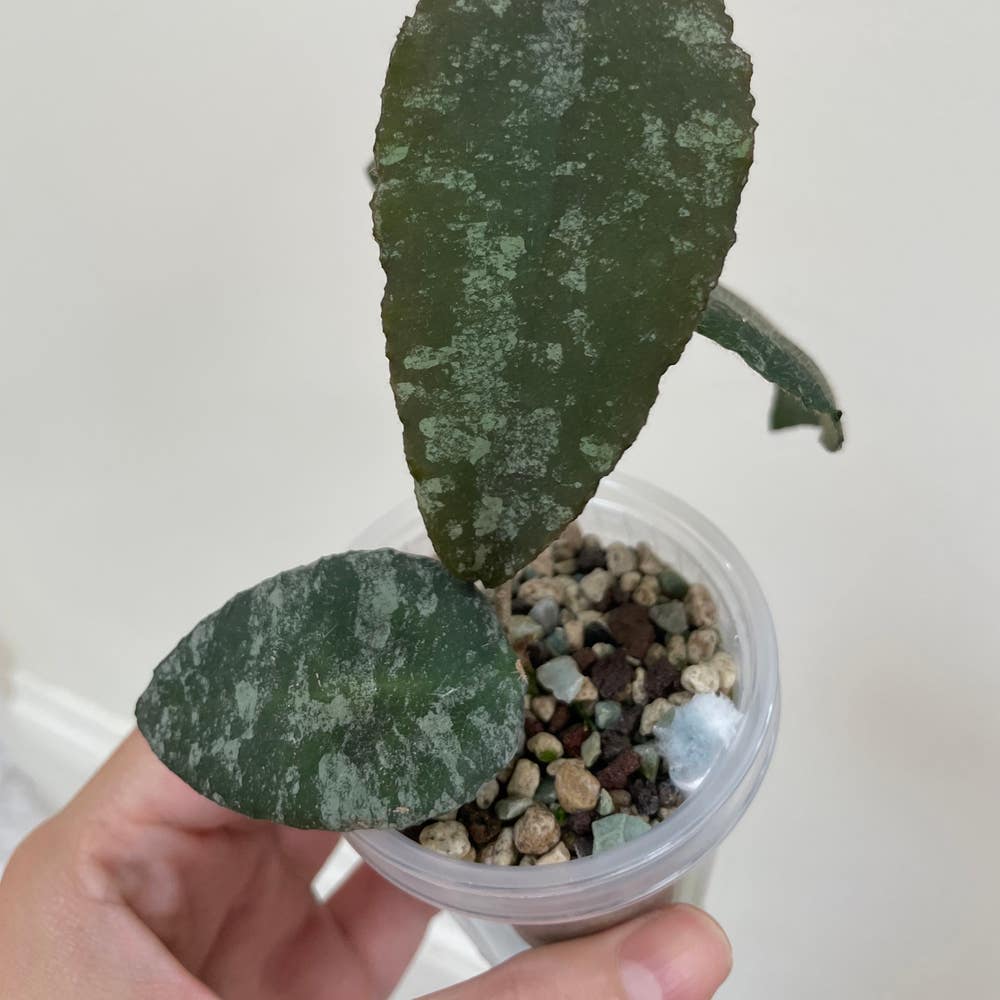
🌸 8 Top Pot Choices for Your Hoya 'Sumatra'
Hoya caudata 'Sumatra'
By the Greg Editorial Team
Sep 28, 2024•5 min read
This article was created with the help of AI so we can cover more plants for you. May contain errors. See one? Report it here.
Maximize your Hoya 'Sumatra's' growth 🌱 by choosing the perfect pot size for each stage of its life!
- 🌱 Choose pot sizes wisely: 4-12 inches for optimal Hoya 'Sumatra' growth stages.
- 🕳️ Ensure proper drainage: At least four holes prevent root rot and overwatering.
- 🧱 Material matters: Clay, plastic, and terracotta pots each offer unique benefits.
How Pot Size Affects Growth Stages
Choosing the right pot size is crucial for your Hoya 'Sumatra' at every growth stage. The right container not only supports healthy growth but also helps manage moisture levels effectively.
🌱 Recommended Pot Sizes for Seedlings
For seedlings, an ideal pot size is between 4 to 6 inches in diameter. Smaller pots help retain moisture, which is essential for young plants that are still establishing their roots.
🌿 Pot Size for Juvenile Hoya 'Sumatra'
As your Hoya 'Sumatra' matures into its juvenile stage, transition to a pot size of 6 to 8 inches in diameter. This allows the roots to expand while still providing adequate support as they develop.
🌼 Pot Size for Mature Hoya 'Sumatra'
For mature plants, opt for pots that are 10 to 12 inches in diameter or larger. This size accommodates the extensive root systems and long vines that characterize a fully grown Hoya 'Sumatra.'
Understanding how pot size impacts growth stages is key to nurturing a thriving plant. With the right container, your Hoya 'Sumatra' will flourish beautifully.
Materials for Pots
🌱 Benefits of Clay Pots
Clay pots are fantastic for Hoya 'Sumatra' due to their breathability. This feature helps regulate moisture levels, preventing overwatering and promoting healthy root growth.
They also add an aesthetic touch to your plant display. Their weight can be a plus, as it helps stabilize taller plants, reducing the risk of tipping.
🪴 Advantages of Plastic Pots
Plastic pots are a popular choice for many plant enthusiasts. They are lightweight, making them easy to move around as needed.
Cost-effectiveness is another significant advantage, as they are widely available and budget-friendly. Plus, they retain moisture and heat well, which can be beneficial in certain climates.
🏺 Comparison of Other Materials
Ceramic Pots
Ceramic pots offer decorative options that can enhance your space. They provide good insulation, helping to maintain a stable temperature for your plants.
However, they tend to be heavier and may retain too much moisture, which can lead to root issues if not monitored closely.
Terracotta Pots
Terracotta pots are known for their excellent drainage and breathability. This makes them ideal for preventing waterlogged soil, which is crucial for Hoya 'Sumatra'.
On the downside, they are prone to cracking and can dry out quickly, so regular monitoring is essential to keep your plant hydrated.
Understanding the materials available for pots can significantly impact the health of your Hoya 'Sumatra'. Choosing the right pot not only supports growth but also enhances your plant care experience.
Next, let’s dive into drainage considerations to ensure your plant thrives!
Drainage Considerations
Importance of Drainage Holes 🌊
Drainage holes are crucial for preventing root rot and overwatering in your Hoya 'Sumatra'. Without them, excess water can accumulate, leading to unhealthy roots and stunted growth.
For optimal performance, aim for at least four drainage holes, each about 1/2 inch in diameter. This ensures that water flows freely, keeping the soil moist but not soggy.
How to Ensure Proper Drainage in Pots 🪴
When selecting pots, prioritize those with built-in drainage. This simple feature can save you from future headaches related to overwatering.
Additionally, consider adding a drainage layer at the bottom of the pot. Materials like gravel or perlite can enhance drainage, allowing excess water to escape while providing a stable base for your plant.
Common Drainage Issues and Solutions ⚠️
Watch for signs of poor drainage, such as yellowing leaves or root rot. These symptoms indicate that your plant is struggling and needs immediate attention.
If you notice these issues, repot your Hoya 'Sumatra' using better-draining soil and pots. This proactive step can rejuvenate your plant and promote healthy growth.
By ensuring proper drainage, you set the stage for a thriving Hoya 'Sumatra'. Next, let’s explore the best practices for repotting this beautiful plant to keep it flourishing.
Repotting Guidelines
🌱 When to Repot Hoya 'Sumatra'
Repotting your Hoya 'Sumatra' is essential when you notice signs like root-bound plants or water retention issues. Generally, aim to repot every 1-2 years or as needed to keep your plant thriving.
🪴 How to Choose the Right Pot When Repotting
Selecting the right pot is crucial for your plant's growth. Match the pot size to the growth stage of your Hoya and consider the pot material based on your environmental conditions.
🔧 Best Practices for Repotting Hoya 'Sumatra'
- Prepare the new pot: Ensure it has proper drainage and an appropriate soil mix.
- Gently remove the plant from the old pot: Take care to avoid damaging the roots.
- Place the plant in the new pot: Ensure it sits at the correct depth and orientation.
- Fill with soil: Lightly pack the soil around the roots for stability.
- Water thoroughly: Allow excess water to drain out to prevent root rot.
Following these guidelines will help your Hoya 'Sumatra' flourish in its new home. With the right care, your plant will continue to grow beautifully, setting the stage for the next topic on drainage considerations.
⚠️ Safety First
This content is for general information and may contain errors, omissions, or outdated details. It is not medical, veterinary advice, or an endorsement of therapeutic claims.
Always consult a qualified healthcare professional before using any plant as food, medicine, or supplement.
Never eat any plant (or feed one to pets) without confirming its identity with at least two trusted sources.
If you suspect poisoning, call Poison Control (800) 222-1222, the Pet Poison Helpline (800) 213-6680, or your local emergency service immediately.
Spotted an error? Please report it here.
Select the perfect pot for your Hoya 'Sumatra' 🌿 with Greg's tailored reminders and expert tips to keep your plant thriving at every growth stage!