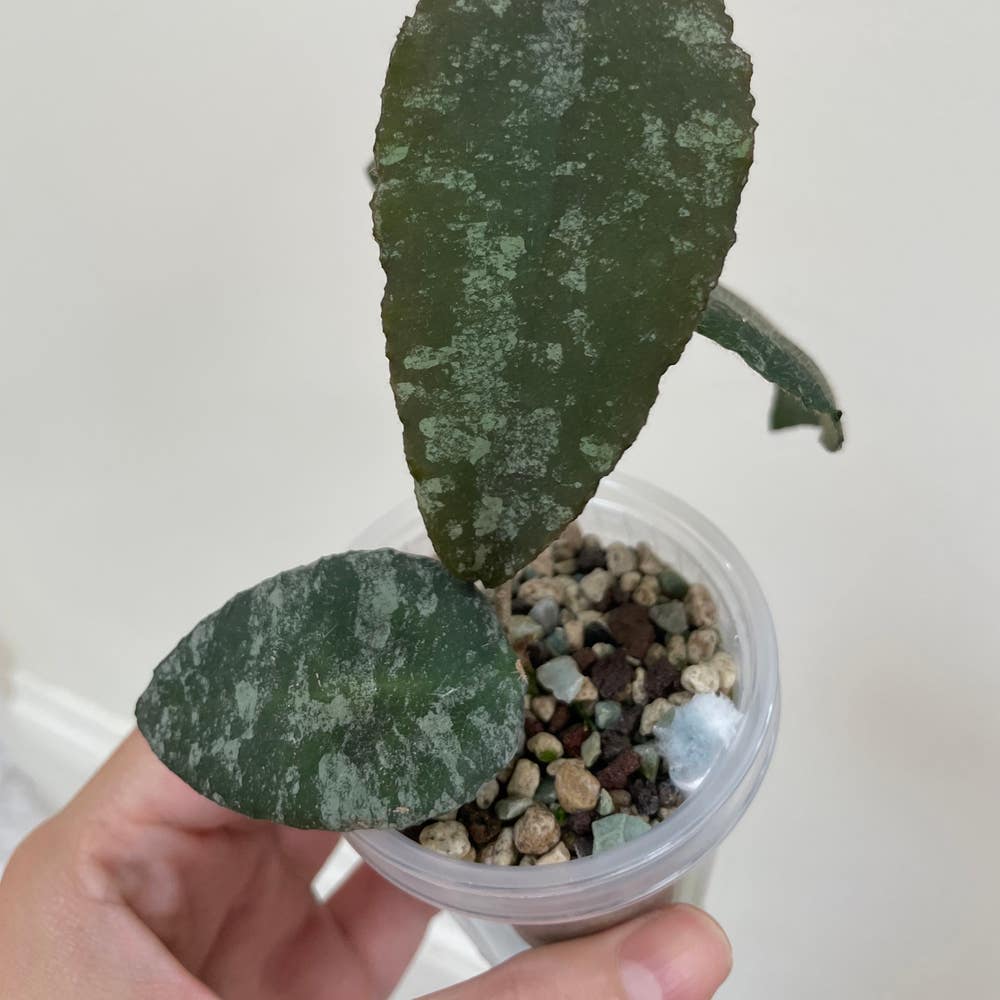
🌞 Is Direct Sunlight Good for My Hoya caudata 'Sumatra'?
Hoya caudata 'Sumatra'
By the Greg Editorial Team
Jun 18, 2024•4 min read
This article was created with the help of AI so we can cover more plants for you. May contain errors. See one? Report it here.
Nurture your Hoya caudata 'Sumatra' to lush perfection with the right sun strategy 🌞🌿.
- 🌤️ Hoya caudata 'Sumatra' thrives in filtered light, not direct sun.
- Rotate for even exposure, adjust for seasons and window directions.
- Use sheer curtains to protect from intense afternoon sun.
Sunlight Decoded for Hoya caudata 'Sumatra'
🌞 What is Direct Sunlight?
Think of direct sunlight as the sun's spotlight—intense and unfiltered. It's the kind of light that casts sharp, defined shadows and feels warm on your skin. In contrast, indirect sunlight is like the sun's gentle hug; it's diffused, softer, and doesn't cast stark shadows. It's the light that bounces off surfaces, providing a bright but not harsh illumination.
🌿 Hoya caudata 'Sumatra' and the Sun's Embrace
The Hoya caudata 'Sumatra' has a complicated relationship with the sun. While it appreciates a good dose of brightness, direct sunlight is the drama queen that can cause its leaves to throw a fit—think scorching and discoloration. This Hoya is more of a fan of the limelight, thriving in filtered, indirect light. It's like that friend who wants to be at the party but not the center of attention. Too much direct sun, and you'll find your Hoya's leaves looking more crispy than a sun-dried tomato.

Window Whys and Hemisphere Hows
🌅 Window Direction Decoded
North-facing windows are the steady eddies of the plant world, offering consistent, gentle light that won't toast your Hoya caudata 'Sumatra'. They're the introverts, cool and soft.
South-facing windows, on the flip side, are the life of the party in the Northern Hemisphere, dishing out generous sun servings that can lead to plant sunburn if you're not careful.
East-facing windows greet your Hoya with a mellow morning light, a sort of gentle wake-up call.
West-facing windows? They're the unpredictable ones. Chill in the morning, but come afternoon, they're blasting your plants with the full force of the sun's rays.
🌐 Hemisphere Highlights
The sun plays favorites with the hemispheres. In the Northern Hemisphere, south-facing windows are the VIP seats to the sunlight show.
Switch to the Southern Hemisphere, and it's north-facing windows that bag the prize for most sun.
Remember, the sun's angle changes with the seasons, so your Hoya's sunbathing spot in summer might be a shade lounge in winter.
Rotate your Hoya periodically to ensure it gets an even tan, and don't forget to adjust your watering to match the light levels—more sun, more water; less sun, less drink.
The sun's path is like a daily soap opera, and your Hoya's got a season pass. Keep track, and your Hoya will reward you with growth that's nothing short of a standing ovation.

Crafting the Perfect Sunlight Setup
🌞 Home Sweet Sunlit Home
Finding the sweet spot for your Hoya caudata 'Sumatra' is like a game of Goldilocks and sunlight. Too little, and it's a sad, leggy plant; too much, and you've got a crispy critter on your hands.
Morning sun is your friend. Those gentle rays are like a soft serenade, perfect for easing your Hoya into the day. Aim for a spot that basks in this light for 2-3 hours, but then transitions to indirect or filtered light for the remainder of the day.
🕶 When the Sun's Too Strong
The afternoon sun is the equivalent of a heatwave at a nudist beach—intense and potentially damaging. If your Hoya is getting too much of this scorching love, it's time for some sunscreen.
Sheer curtains are your ally, diffusing that harsh light into a gentle glow. Think of them as sunglasses for your plant. And if you're dealing with a sun that just won't quit, consider pulling your Hoya a few feet back from the window, or even relocating it to a south or north-facing window where the rays are less intense.
Remember, it's not about coddling your Hoya—it's about giving it the tough love it needs to thrive without getting a sunburn.

Seasonal Sunlight and Your Hoya
🌞 Summer vs. Winter Sun
In the summer, your Hoya caudata 'Sumatra' is like a beach-goer soaking up the sun, but too much can lead to a sunburn. Position it to avoid the harsh midday rays, perhaps behind a sheer curtain. Come winter, the sun is a weaker beast, and your Hoya might start feeling the chill. Move it closer to the light, like a cat finding that sunny spot on the carpet, to compensate for the sun's lower intensity.
🌿 The Indirect Light Lifesaver
Indirect light is your Hoya's best friend year-round. It's like a cozy blanket; it keeps your plant warm without the risk of overheating. If you catch your Hoya's leaves throwing a fit—turning yellow or brown—it might be crying out for a shade. Remember, your Hoya's leaves are its mood ring, and you want to keep them showing happy, healthy green.
⚠️ Safety First
This content is for general information and may contain errors, omissions, or outdated details. It is not medical, veterinary advice, or an endorsement of therapeutic claims.
Always consult a qualified healthcare professional before using any plant as food, medicine, or supplement.
Never eat any plant (or feed one to pets) without confirming its identity with at least two trusted sources.
If you suspect poisoning, call Poison Control (800) 222-1222, the Pet Poison Helpline (800) 213-6680, or your local emergency service immediately.
Spotted an error? Please report it here.
Nurture your Hoya caudata 'Sumatra' 🌿 to perfection with Greg's PlantVision, ensuring it basks in the ideal balance of sunlight without ever getting sunburned.