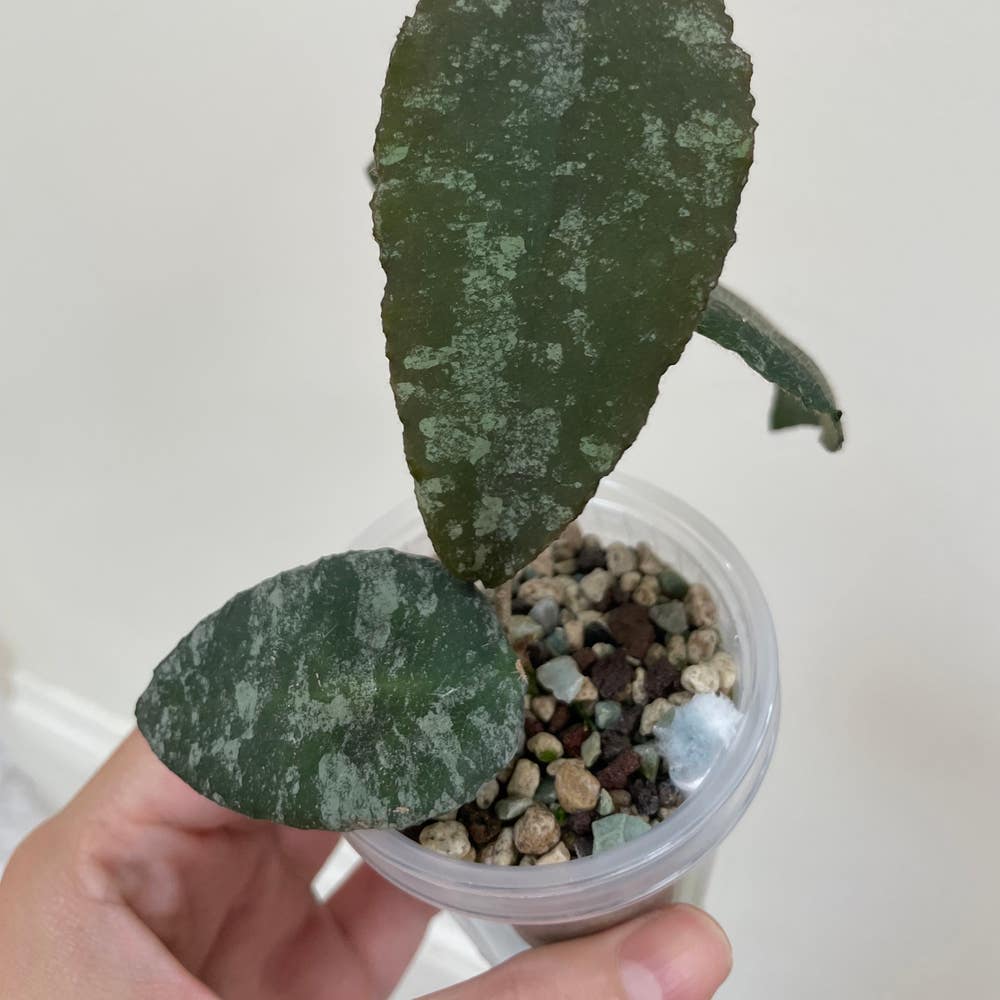
Why Are My Hoya caudata 'Sumatra' Leaves Falling Over?
Hoya caudata 'Sumatra'
By the Greg Editorial Team
Jun 18, 2024•4 min read
This article was created with the help of AI so we can cover more plants for you. May contain errors. See one? Report it here.
Save your Hoya's lush leaves from drooping 🍂 with these vital, easy-to-follow care secrets.
- Yellowing, browning, wilting leaves signal Hoya caudata 'Sumatra' distress.
- Adjust watering and soil to prevent overwatering and root rot.
- Stable environment with indirect light is key for recovery and growth.
Spotting the Red Flags: Symptoms of Trouble
🍂 Leaf Changes
Yellowing leaves are the plant's version of a distress signal. It's like your Hoya is saying, "I need help, and I need it now!" If the leaves are more brown than a well-done steak, browning could be your clue to root rot. Wilting leaves? That's your Hoya throwing a fit for attention, possibly due to underwatering.
🌱 Root Check-Up
Unhealthy roots are like the hidden part of the iceberg; they spell trouble beneath the surface. If the roots feel mushier than overripe bananas, it's a big red flag. Root rot might be knocking at your door, and it's not a guest you want to entertain.
💧 The Watering Conundrum
Recognizing the symptoms of overwatering is like understanding that too much of a good thing can be bad. Leaves dropping faster than hot potatoes? Could be too much H2O. Conversely, leaves curling up tighter than a roll of quarters point to underwatering. It's all about finding that watering sweet spot.

The Watering Balancing Act
💧 Fine-Tuning Your Watering Schedule
Watering your Hoya caudata 'Sumatra' is not about ticking boxes on a calendar. Adjust the frequency based on the plant's feedback, not a preset timetable. If the leaves are drooping like a disappointed parent, it's time to up the hydration game. Conversely, if the soil feels more like a wetland than a garden, ease up on the aqua. Seasonal changes are your cue to switch things up; water less in winter when your Hoya is chilling, more in summer when it's thirsty work just staying alive.
🌱 Soil and Pot Considerations
The right soil mix for your Hoya should drain faster than a sink with no stopper. Opt for a blend that's airy and loose, letting roots breathe without getting waterlogged. Choose a pot that's like a good pair of jeans—fits well and has enough holes. Too much water retention is a recipe for root rot, and nobody wants that. If you're the overeager type, a terracotta pot will help wick away some of that excess enthusiasm.

Creating a Stable Home Environment
🌡️ Temperature and Humidity Harmony
Your Hoya caudata 'Sumatra' is a bit of a diva when it comes to temperature and humidity. It craves that sweet spot of 60-85℉ (15-29°C) and throws a fit when things get drafty. To keep it from going full drama queen, maintain a consistent temperature away from the fickleness of air conditioning and heating vents.
Humidity is another performance. Aim for 50-60%—it's not a rainforest, but it's not the Sahara either. Use a hygrometer to check levels; this isn't a guessing game. If the air's drier than a stand-up comedian's wit, consider a humidifier or the classic pebble tray trick to up the moisture.
💡 Light and Location
When it comes to light, think bright but not sunburnt. Your Hoya wants to bask in bright, indirect light, not sizzle under the midday sun. If your pad's a bit dim, LED or fluorescent grow lights can be the life of the party.
Location-wise, keep it away from drafts—this isn't a plant that enjoys surprises. Think of it like placing your desk: you want a spot that's just right, where your plant can thrive without the stress of constant change.

When to Intervene: Remedial Steps
🌱 The Rescue Repot
If root rot is the uninvited guest at your Hoya's party, it's time to take action. Here's how to give your plant a fresh start:
- Gently remove your Hoya from its pot, shaking off excess soil and inspecting the roots.
- With sterilized shears, trim away any soft, brown roots; healthy roots are firm and white.
- Clean the remaining roots with a mild soap solution, then rinse thoroughly.
- Choose a clean pot with drainage holes and fill it with a fresh, well-draining potting mix.
- Repot your Hoya, spreading the roots out gently, and fill in with soil.
- Wait a day before watering to let the roots heal—patience is key.
🌿 TLC for Recovery
Post-repotting care is crucial for your Hoya's comeback tour. Keep these tips in mind:
- Monitor your plant closely, but resist the urge to water too soon.
- Place your Hoya in a stable environment with indirect light and avoid temperature extremes.
- Resist fertilizing until you see new growth; your plant's focusing on root rehab, not leafy luxuries.
- A gentle tug on the stem after a few weeks can clue you in on root establishment—no party animals yet.
- If your Hoya's performance is lackluster, consider a professional consult—sometimes we all need a little help from our friends.
⚠️ Safety First
This content is for general information and may contain errors, omissions, or outdated details. It is not medical, veterinary advice, or an endorsement of therapeutic claims.
Always consult a qualified healthcare professional before using any plant as food, medicine, or supplement.
Never eat any plant (or feed one to pets) without confirming its identity with at least two trusted sources.
If you suspect poisoning, call Poison Control (800) 222-1222, the Pet Poison Helpline (800) 213-6680, or your local emergency service immediately.
Spotted an error? Please report it here.
Revive your wilting Hoya caudata 'Sumatra' by following custom care 🌱 from Greg, ensuring you tackle underwatering, root rot, and create the ideal environment for lush growth.