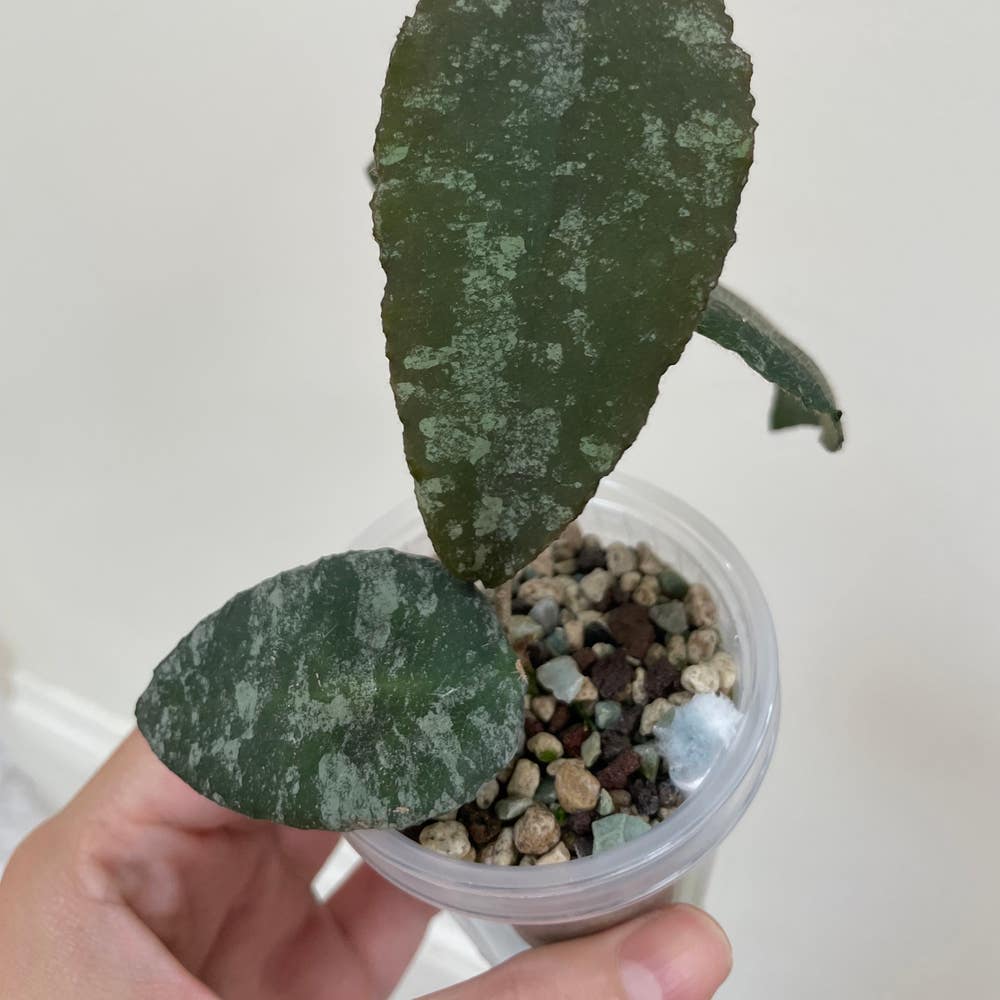
8 Essential Outdoor Hoya 'Sumatra' Care Routines 💧
Hoya caudata 'Sumatra'
By the Greg Editorial Team
Sep 28, 2024•6 min read
This article was created with the help of AI so we can cover more plants for you. May contain errors. See one? Report it here.
Transform your Hoya 'Sumatra' into a thriving beauty 🌱 with essential outdoor care tips for every season!
- 🌞 Hoya 'Sumatra' needs 6-8 hours of bright, indirect sunlight daily for optimal growth.
- 💧 Water every 1-2 weeks, allowing soil to dry out to prevent root rot.
- 🌱 Use well-draining soil with pH 6.0-7.0 for healthy root development.
Outdoor Care Requirements
🌞 Sunlight Needs
Hoya 'Sumatra' thrives in bright, indirect sunlight for about 6-8 hours daily. While it can tolerate morning sun, be sure to shield it from the harsh rays of the afternoon.
💧 Watering Requirements
Watering is crucial for your Hoya. Allow the soil to dry out between waterings, typically every 1-2 weeks, to prevent issues like yellowing leaves, wilting, and root rot.
To ensure proper hydration, water thoroughly until it drains from the bottom. This technique helps maintain healthy roots and overall plant vigor.
🌱 Soil Preferences and Amendments
For optimal growth, use a well-draining soil mix that combines potting soil with perlite. Aim for a soil pH between 6.0 to 7.0, which is slightly acidic to neutral.
Consider adding orchid bark or sand to improve drainage. This will create an environment where your Hoya can flourish.
🌼 Fertilization Schedule
During the growing season, fertilize your Hoya monthly to support its growth and flowering. A balanced liquid fertilizer, like a 20-20-20 mix diluted to half strength, works wonders.
Regular fertilization ensures your plant receives the nutrients it needs to thrive. This simple routine can make a significant difference in its health and vibrancy.
As you implement these outdoor care routines, you'll set the stage for a thriving Hoya 'Sumatra'. Next, let's explore the various planting options available for this beautiful plant.
Planting Options
🌱 Benefits of Container Planting
Container planting offers remarkable mobility. You can easily reposition your Hoya 'Sumatra' to capture optimal sunlight or shield it from harsh weather conditions.
Another advantage is soil control. With containers, you can customize the soil mix, ensuring excellent drainage and nutrient availability tailored to your plant's needs.
⚠️ Drawbacks of Container Planting
However, container planting comes with its challenges. The limited root space means your plant may require more frequent watering and fertilization to thrive.
Additionally, containers are temperature sensitive. They can heat up quickly in the sun or cool down rapidly at night, which can stress your plant.
🌳 Benefits of Planting in the Ground
Planting in the ground allows for natural growth. Your Hoya 'Sumatra' will have ample space for its roots to expand, promoting healthier and more robust plants.
Moreover, ground soil retains moisture better, leading to less frequent watering. This can be a significant advantage during hot summer months.
🕵️♂️ Drawbacks of Planting in the Ground
On the flip side, planting in the ground means you have less control over soil quality. You might need to amend the soil to ensure it meets your plant's specific needs.
Additionally, ground-planted Hoyas can be vulnerable to pests and diseases lurking in the soil. Regular monitoring and maintenance are essential to keep your plant healthy.
Transitioning from planting options, understanding how to protect your Hoya 'Sumatra' from environmental factors is crucial for its success.
Protection from Environmental Factors
🌦️ Weather Protection Strategies
Outdoor Hoya 'Sumatra' plants thrive best when shielded from extreme weather conditions. During intense heat, providing shade is crucial; consider using shade cloth or positioning your plants near taller plants for natural protection.
When frost threatens, act quickly. Cover your plants with frost cloth or, if they’re in containers, bring them indoors to safeguard against cold snaps.
🐞 Pest Management
Pests can be a real nuisance for outdoor plants. Common offenders include mealybugs, aphids, and spider mites, which can wreak havoc if left unchecked.
Regular inspections are key. Keep an eye on the leaves and stems for any signs of infestation. If you spot pests, control methods like neem oil, insecticidal soap, or introducing beneficial insects can help manage the situation effectively.
🦠 Disease Prevention and Treatment
Diseases such as root rot and leaf spot can compromise your Hoya's health. Prevention is always better than cure; ensure you’re using proper watering techniques and maintaining good air circulation around your plants.
If disease strikes, don’t panic. Remove any affected leaves promptly and treat the plant with fungicides as necessary to restore its vitality.
By implementing these protective measures, you can help your Hoya 'Sumatra' thrive despite environmental challenges. Next, let’s explore how seasonal changes impact care routines for your plant.
Seasonal Care
🌦️ Seasonal Changes and Their Impact
Understanding seasonal changes is crucial for the health of your Hoya 'Sumatra'. Temperature and light variations directly influence growth cycles, making it essential to adjust care routines accordingly.
🌱 Spring Care Routines
Spring is a time of renewal, and your Hoya will thrive with some attention. Start by pruning away any dead or damaged leaves to encourage fresh growth.
Fertilization is also key during this season. Begin monthly feeding as growth resumes, using a balanced liquid fertilizer to support new leaves and blooms.
☀️ Summer Care Routines
As temperatures rise, your watering routine will need adjustments. Increase the frequency of watering to keep the soil moist, especially during hot spells.
Summer also brings pests, so stay vigilant. Regularly inspect your plants for signs of mealybugs or spider mites, as warmer weather can lead to infestations.
🍂 Fall Care Routines
With cooler temperatures on the horizon, it's time to prepare your Hoya for the change. Gradually reduce watering as growth slows, allowing the plant to acclimate.
This is also the time for the final fertilization of the year. Give your plant one last feeding before it enters winter dormancy to ensure it has the nutrients it needs.
❄️ Winter Care Routines
When temperatures drop below 50°F (10°C), it's crucial to transition your containers indoors. Protecting your Hoya from the cold will help it survive the winter months.
During this time, reduce watering significantly. Allow for longer drying periods between waterings to prevent root rot and ensure your plant stays healthy until spring returns.
By following these seasonal care routines, you can keep your Hoya 'Sumatra' thriving year-round. Next, let’s explore how climate zones can affect your outdoor care strategies.
Climate Zone Considerations
Best Climate Zones 🌍
For outdoor growth, Hoya 'Sumatra' thrives best in USDA hardiness zones 10-11. If you live in cooler zones, consider bringing your plant indoors to ensure it continues to flourish.
Special Considerations for Different Climates ☔️
Humidity plays a crucial role in the health of your Hoya. In dry climates, use humidity trays or mist the leaves to maintain moisture levels.
Temperature management is equally important. Protect your plant from extreme heat by providing shade during the hottest parts of the day, and shield it from cold drafts in winter.
Tips for Adapting Care Based on Climate 🌡️
Adjust your watering schedule based on local rainfall and humidity levels. If it’s particularly dry, you may need to water more frequently.
Choosing the right planting location can make a significant difference. Aim for spots that maximize sunlight exposure while considering the plant's need for protection from harsh elements.
With these climate considerations in mind, your Hoya 'Sumatra' will be well-equipped to thrive in its environment. Next, let’s explore seasonal care routines to keep your plant healthy year-round.
⚠️ Safety First
This content is for general information and may contain errors, omissions, or outdated details. It is not medical, veterinary advice, or an endorsement of therapeutic claims.
Always consult a qualified healthcare professional before using any plant as food, medicine, or supplement.
Never eat any plant (or feed one to pets) without confirming its identity with at least two trusted sources.
If you suspect poisoning, call Poison Control (800) 222-1222, the Pet Poison Helpline (800) 213-6680, or your local emergency service immediately.
Spotted an error? Please report it here.
Cultivate a thriving Hoya 'Sumatra' with these essential care tips, and let Greg provide you with tailored reminders 🌞 to ensure your plant gets the love it deserves all year round!