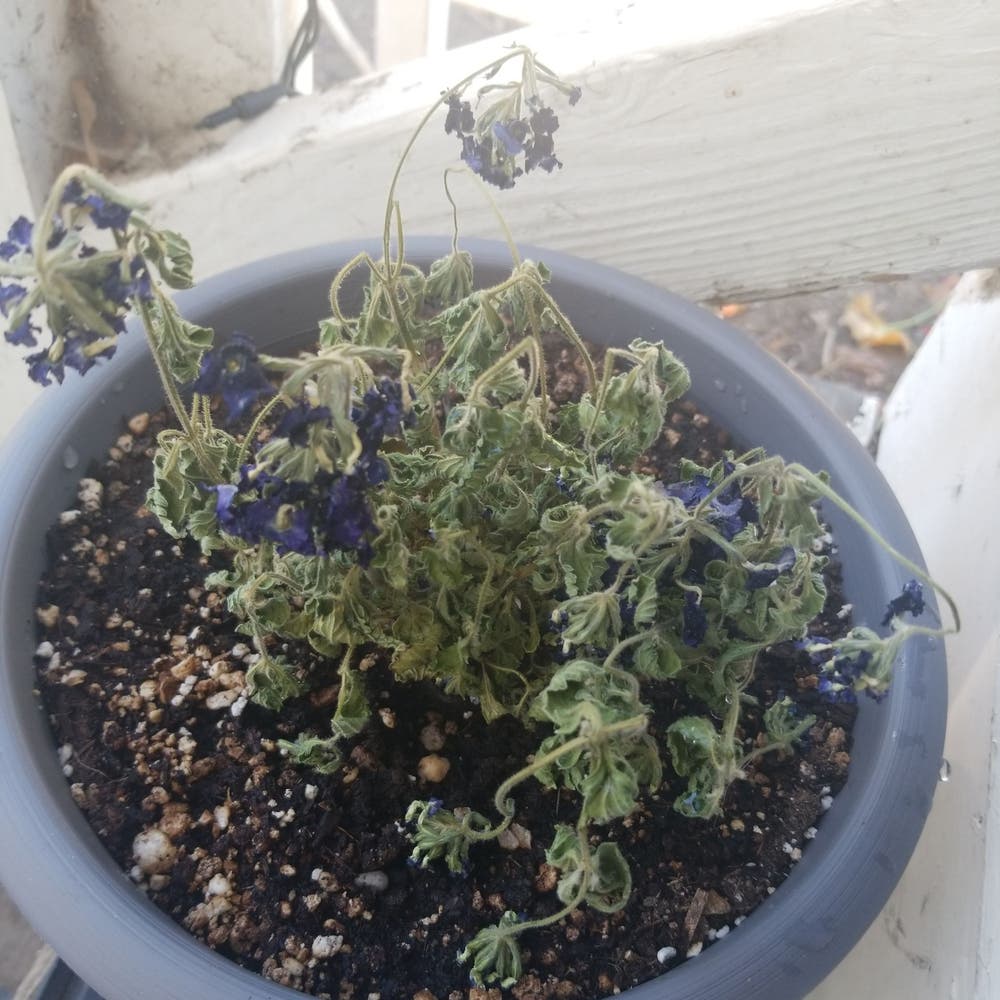
What's Eating Your Homestead Purple Verbena? 🐛
Verbena 'Homestead Purple'
By the Greg Editorial Team
Aug 27, 2024•7 min read
This article was created with the help of AI so we can cover more plants for you. May contain errors. See one? Report it here.
Safeguard your Homestead Purple Verbena from pesky herbivores while fostering a thriving garden ecosystem! 🌿
- 🦌 Identify herbivores like deer and rabbits that threaten your Homestead Purple Verbena.
- 🚫 Implement deterrents such as fencing and netting to protect your plants effectively.
- 🌼 Attract pollinators while managing herbivores for a balanced and thriving garden ecosystem.
Common Herbivores Affecting Homestead Purple Verbena
🦌 Deer
Signs of presence
Look for distinct hoof prints in the soil and dark, pellet-like droppings near your plants. These signs indicate that deer are frequent visitors to your garden.
Type of damage
Deer are notorious for browsing, stripping leaves and flowers off your Verbena. They can also break stems from heavy feeding, leading to significant plant damage.
Beneficial or harmful interaction
Generally, deer interactions are harmful. They can decimate plant populations, leaving your garden looking bare.
Deterrent methods
To keep deer at bay, consider installing 8-foot tall fencing to prevent access. You can also use commercial deer repellents or homemade solutions like garlic spray for added protection.
🐇 Rabbits
Signs of presence
Rabbits leave behind clean cuts on lower stems and small, round droppings scattered around. These signs can help you identify their presence quickly.
Type of damage
They typically graze on leaves and young shoots, nibbling away at the plant's overall structure. This can lead to stunted growth and weakened plants.
Beneficial or harmful interaction
Rabbits are generally harmful to your Verbena. Their feeding habits can significantly hinder plant development.
Deterrent methods
To deter rabbits, cover your plants with mesh netting. You can also apply cayenne pepper or use commercial rabbit deterrents to keep them away.
🐿️ Squirrels
Signs of presence
Look for irregular holes in foliage and disturbed soil around the base of your plants. These signs indicate squirrel activity.
Type of damage
Squirrels can uproot young plants and gnaw on stems and leaves, causing considerable damage. Their antics can weaken your plants significantly.
Beneficial or harmful interaction
Interactions with squirrels are generally harmful. They can create chaos in your garden, leading to weakened plants.
Deterrent methods
Employ scare tactics like reflective objects or noise-making devices to keep squirrels at bay. Installing wire mesh around the base of your plants can also provide a physical barrier.
🐦 Birds
Signs of presence
Pecked flowers and missing seeds are clear indicators of bird activity. You might also notice nests nearby, signaling their presence.
Type of damage
Birds often eat seeds before they can germinate and damage blooms, affecting the aesthetics of your garden. Their feeding can disrupt your plant's growth cycle.
Beneficial or harmful interaction
While birds can be harmful, they also play a beneficial role. Some help control insect populations, balancing the ecosystem.
Deterrent methods
To deter birds, use plastic owls or other predator replicas as decoys. Hanging shiny materials can also help keep them away.
🐭 Rodents (mice, voles)
Signs of presence
Look for small burrows or pathways in the soil and dark, small droppings near the plant base. These signs indicate rodent activity.
Type of damage
Rodents gnaw on roots, leading to plant stress, and weaken the plant structure by damaging stems. Their presence can be detrimental to your Verbena.
Beneficial or harmful interaction
Rodent interactions are generally harmful. They can cause significant damage to your plants if left unchecked.
Deterrent methods
Setting snap traps or live traps around your garden can help manage rodent populations. Encouraging natural predators like owls or hawks can also be effective.
🦡 Groundhogs/Woodchucks
Signs of presence
Look for large burrows dug in the ground and distinctive gnaw marks on stems and leaves. These signs indicate groundhog activity.
Type of damage
Groundhogs can consume large portions of the plant, leading to extensive grazing damage. Their feeding habits can devastate entire patches of Verbena.
Beneficial or harmful interaction
Generally, groundhogs are harmful. Their feeding can severely impact your garden's health.
Deterrent methods
Installing buried fencing can prevent groundhogs from burrowing into your garden. You can also use commercial groundhog deterrents or homemade solutions for added protection.
Understanding these common herbivores and their impact on Homestead Purple Verbena is crucial for maintaining a healthy garden. By implementing effective deterrent methods, you can protect your plants and enjoy a thriving garden ecosystem.
Beneficial Animals and Ecosystem Roles
🦋 Pollinators Attracted to Homestead Purple Verbena
Homestead Purple Verbena is a magnet for pollinators, particularly butterflies and bees. These creatures are drawn to the plant's nectar-rich flowers, playing a crucial role in the pollination process.
🌱 Positive Impacts on Garden Ecosystem
Enhancing Biodiversity
By attracting beneficial insects, Homestead Purple Verbena contributes to a diverse garden ecosystem. This biodiversity is essential for a balanced environment, supporting various life forms.
🐞 Natural Pest Control
Predatory insects that visit the Verbena help manage pest populations. This natural pest control reduces the need for chemical interventions, promoting a healthier garden.
Incorporating Homestead Purple Verbena into your garden not only beautifies the space but also fosters a thriving ecosystem. By understanding the roles of these beneficial animals, you can create a more resilient and vibrant garden.
As we explore strategies for protecting your plants, keep in mind the importance of maintaining this delicate balance in your garden ecosystem.
General Strategies for Protecting Homestead Purple Verbena
🛡️ Preventive Measures
Plant Placement
Position your Homestead Purple Verbena away from known herbivore pathways. This simple step can significantly reduce the chances of unwanted munching.
Companion Planting
Consider using companion plants like marigolds that naturally deter herbivores. These vibrant flowers not only enhance your garden's aesthetics but also serve as a protective barrier.
⚠️ Reactive Solutions
Monitoring
Regularly check for signs of animal activity around your plants. Early detection can make all the difference in preventing damage.
Immediate Deterrents
Apply repellents at the first sign of damage. Quick action can help safeguard your plants from further harm.
🌱 Balancing Ecosystem Health While Protecting Plants
Understanding Herbivore Roles
Recognize that herbivores play a role in the ecosystem. While they can be harmful to your Verbena, they also contribute to the natural balance.
Integrated Pest Management
Implement integrated pest management strategies. This approach combines various methods to protect your plants while maintaining a healthy ecosystem.
By adopting these strategies, you can create a thriving environment for your Homestead Purple Verbena. Next, let’s explore seasonal considerations that affect plant vulnerability and herbivore activity.
Seasonal Considerations
🐾 Seasonal Variations in Animal Attraction
As spring unfolds, herbivore activity surges. This is the time when many animals, from deer to rabbits, become particularly active, drawn to the fresh, tender growth of your Homestead Purple Verbena.
Young plants are especially vulnerable during this period. Their delicate leaves and shoots are prime targets for hungry herbivores eager to feast on new growth.
⏰ Timing of Plant Vulnerability
The flowering season is another critical time for your Verbena. While the vibrant blooms attract pollinators, they also catch the eye of potential herbivores looking for a snack.
Understanding these seasonal patterns can help you protect your plants effectively. By anticipating when your Verbena is most at risk, you can implement strategies to safeguard them from unwelcome visitors.
Toxicity and Safety
⚠️ Potential Toxic Effects of Homestead Purple Verbena on Animals
Homestead Purple Verbena has mild toxicity, which can deter certain herbivores from munching on it. While it’s not lethal, some animals may experience discomfort if they consume large quantities.
🐾 Safety Considerations for Pets and Wildlife
Monitoring your pets is crucial. Ensure they don’t consume excessive amounts of the plant, as it could lead to mild gastrointestinal issues.
Understanding local wildlife interactions is also important. Assess the risks to native species in your area, as some may be more sensitive to the plant's compounds than others.
By being aware of these factors, you can enjoy your Homestead Purple Verbena while keeping your pets and local wildlife safe.
As you consider the safety of your garden, it’s also essential to think about the beneficial roles animals play in your ecosystem.
⚠️ Safety First
This content is for general information and may contain errors, omissions, or outdated details. It is not medical, veterinary advice, or an endorsement of therapeutic claims.
Always consult a qualified healthcare professional before using any plant as food, medicine, or supplement.
Never eat any plant (or feed one to pets) without confirming its identity with at least two trusted sources.
If you suspect poisoning, call Poison Control (800) 222-1222, the Pet Poison Helpline (800) 213-6680, or your local emergency service immediately.
Spotted an error? Please report it here.
Keep your Homestead Purple Verbena thriving 🌱 by using Greg's tailored care tips and reminders to effectively deter herbivores and ensure a vibrant garden!