🌸 9 Easy Ways to Pollinate Homestead Purple Verbena
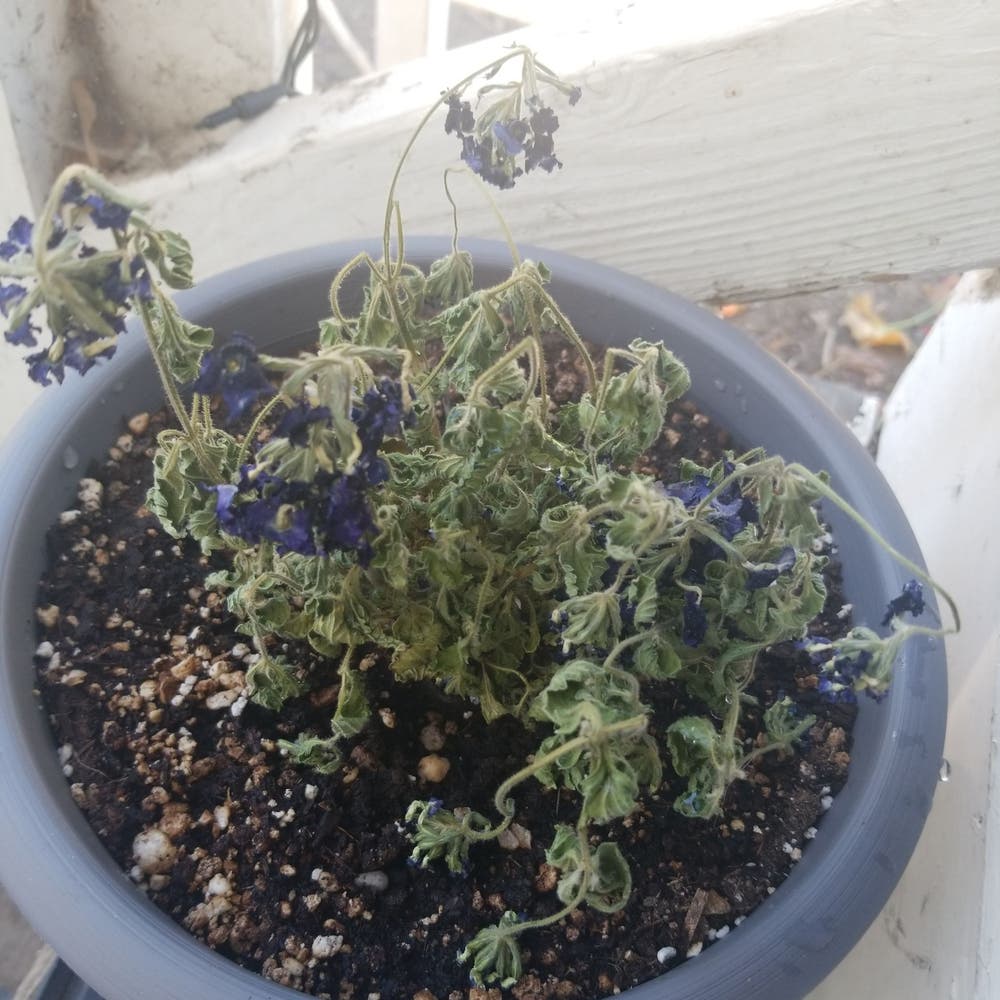
Verbena 'Homestead Purple'
By the Greg Editorial Team
Aug 27, 2024•7 min read
This article was created with the help of AI so we can cover more plants for you. May contain errors. See one? Report it here.
Boost your garden's health and beauty 🌸 by unlocking the secrets of Homestead Purple Verbena's pollination process!
- 🌸 Homestead Purple Verbena attracts bees, butterflies, and hummingbirds, boosting pollination success.
- 🤝 Hand pollination ensures reproduction, especially in low-pollinator environments.
- 🌱 Creating a pollinator-friendly garden enhances plant health and supports diverse species.
Flower Structure
Description of Characteristics 🌸
Homestead Purple Verbena features tubular clusters of small flowers that create a striking visual appeal. Their vibrant purple hue not only captivates the eye but also serves as a beacon for various pollinators.
The flowers are arranged in dense clusters on upright stems, making them easily accessible. This arrangement maximizes exposure to pollinators, enhancing the chances of successful pollination.
Role in Pollination 🐝
Self-Pollination
The structure of Homestead Purple Verbena facilitates self-pollination effectively. The proximity of male and female flower parts allows pollen to transfer easily within the same flower.
Self-pollination offers significant advantages, such as ensuring reproduction even in the absence of pollinators. This mechanism helps maintain stable plant populations, especially in less favorable conditions.
Cross-Pollination
Cross-pollination is equally vital for this plant. The flower's design encourages pollinators to visit multiple blooms, promoting genetic diversity.
Accessibility to pollinators is key in this process. The arrangement and color of the flowers invite bees, butterflies, and other species, ensuring that pollen is shared across different plants, enhancing resilience and adaptability.
This understanding of flower structure sets the stage for exploring the pollination process in greater detail. Next, we’ll delve into the intricacies of self-pollination and the primary pollinators that play a crucial role in this vibrant ecosystem.
Pollination Process
Self-Pollination (if applicable) 🌼
Homestead Purple Verbena has a fascinating self-pollination process. The flower's structure allows pollen to easily transfer from the stamens to the pistils, making it an efficient method for reproduction.
Self-pollination ensures that even in the absence of pollinators, the plant can maintain its population. This adaptability is crucial for survival, especially in less favorable conditions.
Primary Pollinators 🐝
Bees
Bees are the primary pollinators for Homestead Purple Verbena. As they collect nectar, they inadvertently pick up pollen and transfer it to other flowers, enhancing pollination success.
Butterflies 🦋
The vibrant purple color and tubular shape of the flowers attract butterflies. Their delicate movements help in the transfer of pollen, making them essential players in the pollination game.
Other Pollinator Species 🌙
Moths and hummingbirds also contribute to the pollination process. Moths are attracted to the flowers at night, while hummingbirds are drawn in by the nectar, ensuring a diverse range of pollinators.
Attracting Pollinators 🍯
Nectar production is key to attracting these pollinators. The sweet reward encourages them to visit, ensuring the plant's reproductive success.
Visual cues, such as the bright purple color and dense flower clusters, play a significant role in drawing in pollinators. These features create a vibrant landscape that beckons various species to partake in the pollination process.
Understanding the pollination process is vital for anyone looking to cultivate Homestead Purple Verbena. By fostering an environment that supports these interactions, you can enhance the health and vitality of your plants.
Natural Pollination
🐝 Pollen Transfer Mechanisms
Natural pollination is a fascinating process where pollinators, like bees and butterflies, play a crucial role in transferring pollen from one flower to another. As they visit Homestead Purple Verbena for nectar, their bodies collect pollen and inadvertently deposit it onto the stigma of other flowers, facilitating fertilization.
Timing is key in this process. Pollination activity tends to peak during warmer months when flowers are in full bloom, and pollinators are most active. Seasonal variations can significantly influence how effectively pollen is transferred, with spring and summer being the prime seasons for vibrant pollination activity.
🌱 Importance for Reproduction and Genetic Diversity
Pollination is essential for seed production, which directly impacts plant health and survival. Without it, many plants, including Homestead Purple Verbena, would struggle to reproduce, leading to dwindling populations.
Moreover, cross-pollination enhances genetic diversity, making plant populations more resilient. This genetic variation helps plants adapt to changing environmental conditions, ensuring their survival in the long run. Embracing natural pollination not only supports individual plants but also contributes to a thriving ecosystem.
As we explore ways to support pollinators, understanding these mechanisms and their importance will guide us in creating a more vibrant garden. Next, we’ll delve into hand pollination techniques to further enhance our gardening success.
Hand Pollination Techniques
Hand pollination can be a rewarding way to ensure your Homestead Purple Verbena thrives. Here’s how to do it effectively.
🌱 Step-by-Step Instructions
Identify Male and Female Flower Parts:
- Male: Look for the stamens, which produce pollen.
- Female: The pistils are where the pollen needs to land.
Collecting Pollen:
- Method: Gently tap or brush the stamens to collect the pollen. This ensures you gather enough for effective transfer.
Transferring Pollen:
- Technique: Use a small brush or your finger to transfer the pollen to the pistil. Be gentle to avoid damaging the flower.
Timing:
- Best Times: Early morning is ideal for hand pollination when flowers are fresh and receptive.
🌼 Ensuring Successful Fertilization
After pollination, look for signs of success. Indicators include the swelling of the pistil and the formation of seed pods. These signs mean your efforts are paying off, leading to a healthy plant and vibrant blooms.
Hand pollination not only boosts your Verbena's reproduction but also deepens your connection to the gardening process. With these techniques, you can enhance your garden's productivity and enjoy the beauty of thriving plants.
Next, let’s explore how to support pollinators in your garden for even better results!
Supporting Pollinators
🌼 Creating a Pollinator-Friendly Environment
To attract a variety of pollinators, consider incorporating a diverse range of flowering plants in your garden. This diversity not only provides food sources but also creates a vibrant ecosystem that supports different species.
Additionally, providing shelter and nesting sites is crucial for pollinator survival. Simple features like bee hotels, native grasses, and undisturbed patches of soil can make a significant difference.
🌱 Suggested Companion Plants
Certain companion plants can thrive alongside Homestead Purple Verbena while attracting beneficial pollinators. Here are a few excellent choices:
- Lavender: Its fragrant flowers draw in bees and butterflies.
- Echinacea (Coneflower): A favorite among pollinators, it blooms throughout the summer.
- Marigolds: These bright flowers not only attract pollinators but also deter pests.
By integrating these plants into your garden, you create a welcoming environment for pollinators, enhancing both biodiversity and the health of your plants.
As you cultivate this pollinator-friendly space, you’ll witness the beauty of nature at work, setting the stage for the next section on pollination challenges.
Pollination Challenges
Common Obstacles 🐝
Pollination can be significantly affected by environmental factors such as temperature and humidity. Extreme heat or unexpected cold snaps can deter pollinators, leading to reduced activity and success.
Another major challenge is the lack of pollinators. Urbanization, pesticide use, and habitat loss have all contributed to declining populations of essential pollinators like bees and butterflies.
Solutions for Overcoming Challenges 🌼
To enhance pollinator presence in your garden, consider planting a diverse array of flowering plants. This variety not only attracts different species but also ensures that something is always in bloom.
Adjusting care practices can also improve pollination outcomes. Reducing pesticide use and providing water sources can create a more inviting environment for pollinators.
Seasonal Variations 🌱
Different seasons bring unique challenges and opportunities for pollination. Spring often sees a surge in activity as flowers bloom, while summer heat can lead to a decline in pollinator numbers.
Fall and winter present their own hurdles, as many pollinators become inactive or die off. Understanding these seasonal patterns can help you plan your garden effectively.
Impact of Environmental Factors 🌍
Specific environmental conditions can either hinder or enhance pollination efforts. For instance, high humidity can promote fungal diseases that affect flowers, while moderate temperatures can encourage pollinator activity.
Monitoring these factors and adjusting your gardening strategies accordingly can lead to healthier plants and more successful pollination.
By addressing these challenges, you can create a thriving ecosystem that supports both your plants and the vital pollinators that help them flourish.
⚠️ Safety First
This content is for general information and may contain errors, omissions, or outdated details. It is not medical, veterinary advice, or an endorsement of therapeutic claims.
Always consult a qualified healthcare professional before using any plant as food, medicine, or supplement.
Never eat any plant (or feed one to pets) without confirming its identity with at least two trusted sources.
If you suspect poisoning, call Poison Control (800) 222-1222, the Pet Poison Helpline (800) 213-6680, or your local emergency service immediately.
Spotted an error? Please report it here.
Boost your Homestead Purple Verbena's pollination success 🌸 with Greg's tailored reminders and tips, ensuring a vibrant garden that attracts all the right pollinators!